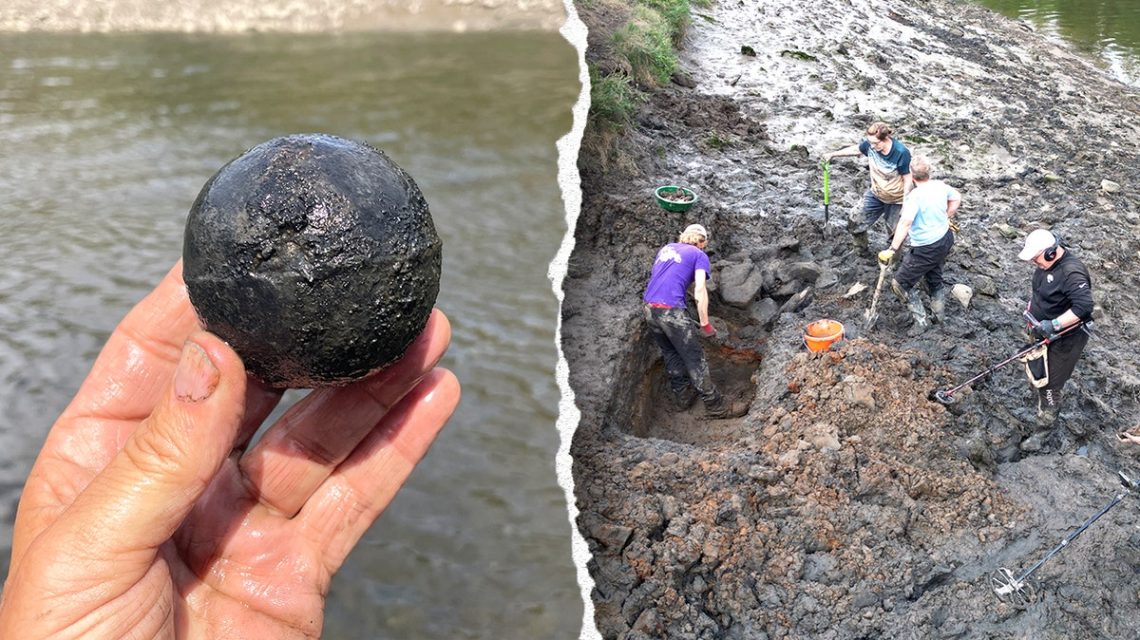
In an exciting archaeological find, a significant Roman industrial complex has been uncovered in northern England, providing invaluable insights into Roman life and work practices. This discovery, made by a team of archaeologists from Durham University, took place at Offerton near Sunderland on the River Wear.
While excavating, researchers unearthed over 800 whetstones — stone tools used for sharpening other implements — and 11 stone anchors likely linked to river-bound transportation. According to Durham University, this cache represents the largest known collection of whetstones from that period in North-West Europe, firmly placing North-East England within the Roman Britain’s vibrant network of manufacturing and trade.
The site has been recognized as a major production hub in Roman Britain.
The excavation revealed artifacts dating between 42 and 238 A.D., identified through sediment analysis that confirmed Roman-era activities. Additional finds included later artifacts such as iron and stone cannonballs and lead shot, which are believed to date back to the English Civil War era.
One of the key elements discovered was the sheer importance of whetstones in Roman daily life. Gary Bankhead, an archaeologist involved in the excavation, emphasized their crucial role, stating that without whetstones, Roman tools — essential for activities from metalworking and agriculture to shipbuilding and food preparation — would not function efficiently. These tools, therefore, held the same indispensable value as chargers or batteries today.
The archaeologists believe that the site likely contains hundreds, possibly thousands, more whetstones beneath the river and many found appeared to have been intentionally discarded. This supports the notion that the area served as a significant production site within Roman Britain, with the possibility of whetstones being widely distributed across the region.
Interestingly, the whetstones’ position in the trenches suggests they were dumped directly into the river, mixed with manufacturing debris, hinting at a day-to-day industrial routine. This method of disposal may have been a common industrial practice along the River Wear.
Further excavation could potentially uncover more about this system, offering a clearer picture of the industrial processes and trading networks of Roman Britain. Despite previously held beliefs that Romans never inhabited this part of the River Wear, current evidence indicates a large-scale manufacturing center was indeed in operation, producing whetstones on a tremendous scale.
This significant discovery extends the documented timeline of industrial activity in the area by more than 1,800 years, reshaping the historical understanding of Sunderland’s role in ancient industry and trade. The findings underscore the complexities and advancements within Roman Britain’s economic structure.
Future excavations are anticipated, as the site holds substantial research potential. Already, Offerton’s discoveries have posed new questions, demonstrating that there is still much to learn about Roman Britain’s expansive history.
 Reassessing the Central Role of Rome in the Roman Empire’s Road Network
  Fire Amoeba Discovery Challenges Limits of Complex Organisms
  Impact of Sleep Types on Disease Risk
 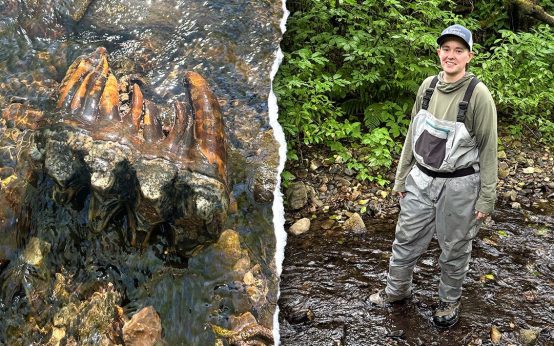 Ice Age Mastodon Tooth Unearthed in California Creek
  The Unique Challenges of the Pumpkin Toadlet
  Animal Self-Medication Insights