The upcoming 2028 election is shaping up to be unlike any in recent history. For the first time in over a decade, the Republican Party will compete without Donald Trump leading the ticket. This change forces the party to redefine its identity in the post-Trump landscape. Similarly, the Democrats face their own challenges. They lack a clear future leader, with former Vice President Kamala Harris leading the polls but facing skepticism from donors and strategists after her 2024 campaign.
The Democratic field appears wide open, with numerous potential candidates vying for recognition. The party is also grappling with the divide between its progressive and establishment wings. Meanwhile, the Republicans may have a clearer path with Vice President JD Vance emerging as a prominent figure. Vance’s recent public appearances have painted him as a patient and empathetic voice. He acknowledges voter frustrations over economic concerns and foreign policy but urges continued support for the administration.
Vance contrasts former President Trump’s dismissive attitude by addressing the economic issues directly.
Vance is also working to bolster the Republicans’ populist appeal. He speaks against globalization, critiques American elites, and challenges the idea that free markets always benefit Americans. This is part of what has been termed ‘New Right economics’. On foreign policy, Vance distances himself from Trump’s views, reflecting a more isolationist stance and skepticism toward long-standing alliances, such as with Israel.
While Vance’s role as vice president traditionally involves supporting the administration’s agenda, he aims to leave his mark on the party. This could position him as a strong contender in the 2028 race. Vance’s strategy capitalizes on his association with Trump, although replicating Trump’s style and connection with the Republican base remains challenging. Polls suggest Vance holds a significant lead among potential Republican nominees.
The Republican field is narrow, with few names emerging as serious candidates aside from Vance and Secretary of State Marco Rubio. Figures like Florida Governor Ron DeSantis and Donald Trump Jr. trail behind. Vance’s appeal among Hispanic voters remains limited, partly due to his immigration policies. His success may depend on the Republican Party’s midterm outcomes, where Democrats currently show strong performance in key areas.
Polls indicate mixed results for Vance against leading Democrat challengers. While Rubio performs better against figures like Harris and California Governor Gavin Newsom, Vance continues to refine his strategy. His approach involves steering the party towards his populism while possibly attracting independent voters by presenting a more moderate image. The significance of Trump’s potential endorsement also looms large, as it could greatly influence the party’s nomination process.
Douglas E. Schoen and Carly Cooperman, partners at Schoen Cooperman Research, co-authored the book “America: Unite or Die.” They offer their insights on the political landscape as 2028 approaches. The unfolding dynamics will test both Vance’s political acumen and the adaptability of the Republican party.
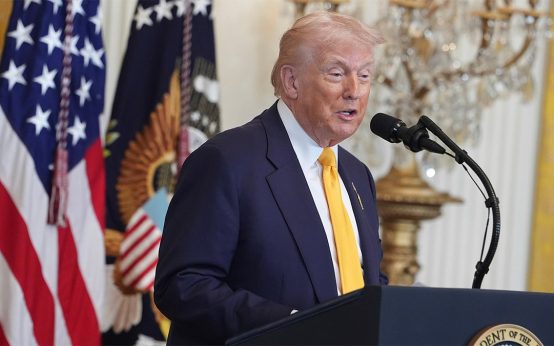 Uncovering the Russia Collusion Allegations Against Trump
 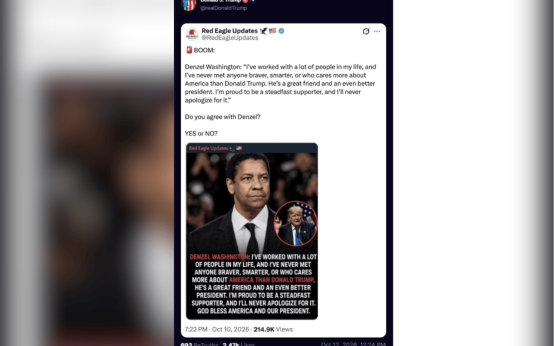 False Quotes Attributed to Denzel Washington and Other Figures
 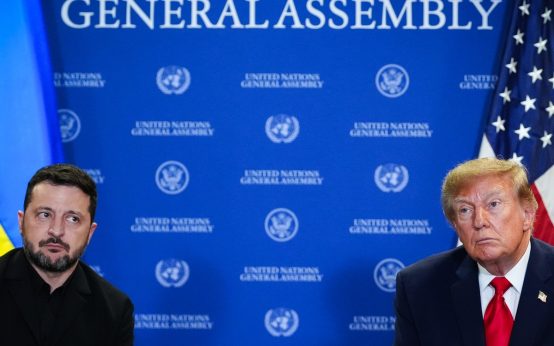 Ukraine’s Political Landscape: Potential Presidential Candidates and Challenges
  Energy Prices and Policy Challenges
  Secret Service Reports Spike in Threats Against Presidency
  Alani Bankhead Denies Being a Republican Plant Amid Senate Campaign