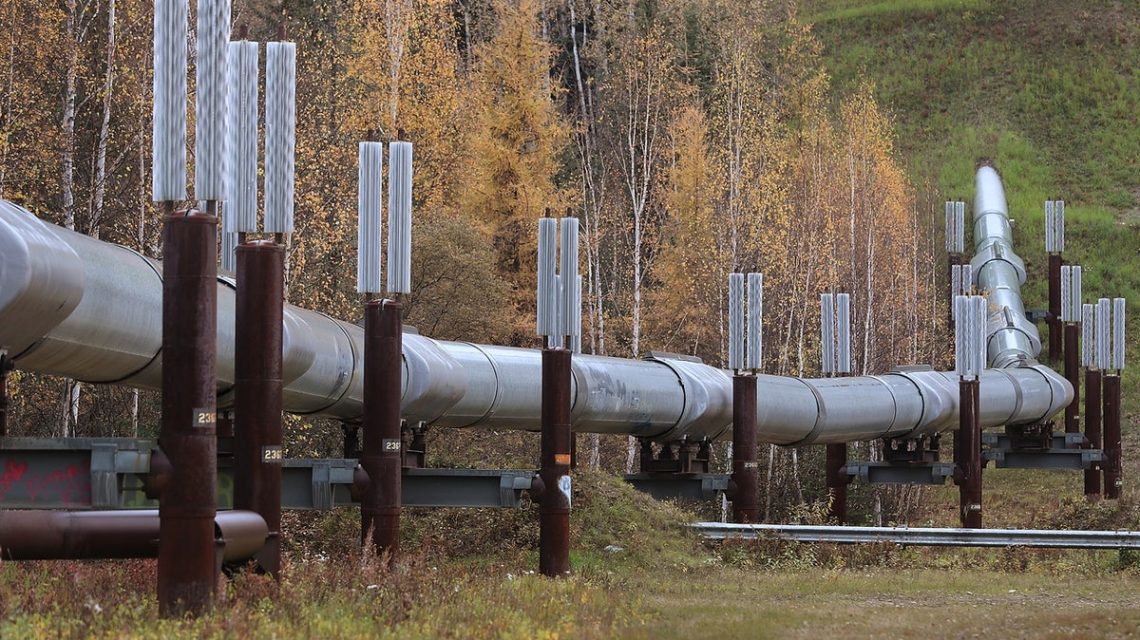
The heating season has begun, and current geopolitical tensions, particularly the conflict involving Iran, are affecting energy prices significantly. Although the timing of price hikes aligns with the conflict, the root cause goes deeper than that.
Despite being a leading producer, the United States faces global price fluctuations due to oil being a globally traded commodity. Events in regions like the Persian Gulf impact prices everywhere. A key issue is state policies restricting domestic energy potential.
The Refinery Shortage
The United States has seen a reduction in refineries, going from 301 in 1982 to just 130 operable ones now. No major new refinery has been established in the U.S. since 1976. The closure of the Philadelphia Energy Solutions plant in the Northeast exemplifies this loss, reducing capacity by 335,000 barrels a day.
Pipeline Blockades
New York, similar to other states, has obstructed natural gas pipelines, despite rich reserves in neighboring Pennsylvania. The Constitution Pipeline, designed to transport gas over 124 miles with 99 miles in New York, has faced numerous hurdles, with its permit denied by the state in 2016 and attempts to reapply withdrawn in 2025.
Impact of Climate Laws
Legislation like New York City’s Local Law 97 imposes emission fines on large buildings. With stricter limits by 2030, costly retrofits or fines will likely affect tenants and small businesses. Additionally, closing nuclear reactors and coal plants has reduced reliable energy sources, affecting low-income households the most.
Economic Strain
The continuous climb in utility bills and fuel costs burdens families. Economical energy sources are being limited, impacting everyone from household consumers to large-scale shippers who depend on diesel.
Path Forward
Policies must facilitate domestic pipeline constructions and maintain existing power plants until effective alternatives are available. The construction of refineries should proceed, with clear communication on climate mandates’ costs, phased in considerately for working families. Success should be gauged by consistent supplies and reduced bills rather than ceremonial events.
As winter intensifies, states not generating or importing fuel domestically become reliant customers, vulnerable to international pricing, including the effects of foreign conflicts.
For meaningful change, supporting candidates committed to energy independence in upcoming elections is crucial.
Dave Bovee, who has extensive experience in the energy sector, explores these themes in his book The Four G Revolution: The Fight to Save God, Gas, Guns, and Glory, published by RealClear Publishing.
 Uncovering the Russia Collusion Allegations Against Trump
  False Quotes Attributed to Denzel Washington and Other Figures
  Ukraine’s Political Landscape: Potential Presidential Candidates and Challenges
  2028 Presidential Election: A New Era for Both Parties
  Secret Service Reports Spike in Threats Against Presidency
  Alani Bankhead Denies Being a Republican Plant Amid Senate Campaign