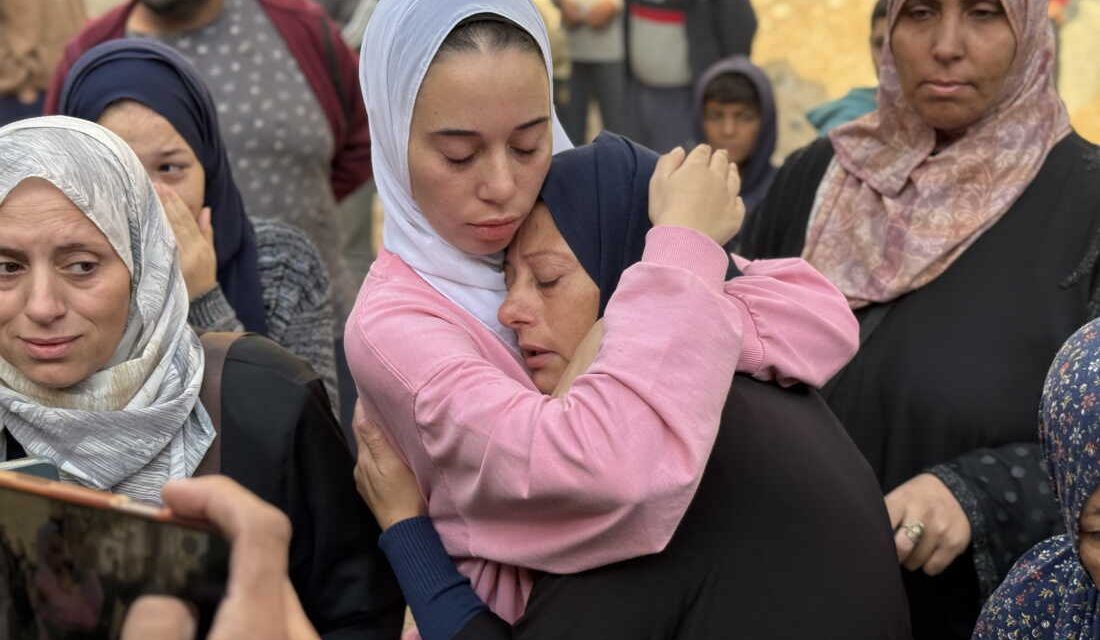
At Al-Shifa Hospital in Gaza City, a Palestinian mother mourns her son, a victim of an Israeli airstrike more than a month into a ceasefire. The ceasefire, initiated on October 10, 2025, was intended to halt the conflict between Israel and Gaza as President Donald Trump brokered an agreement. Yet, over a year later, the promised international peacekeeping forces are absent, and reconstruction has not begun.
During this period, the Israeli military has expanded its reach, controlling about 70% of Gaza, pushing over two million Palestinians closer to the coast. Despite the ceasefire, targeted operations against Hamas continue, leading to the deaths of over 1,400 Palestinians, including nearly 500 women and children, as reported by Gaza’s Health Ministry.
The ceasefire has slowed bombings, allowing for some recovery. U.N.-backed experts noted progress as food supplies increased, countering last year’s famine in northern Gaza.
Photographer Anas Baba of NPR has been documenting the dynamics of Gaza throughout the past year.
Following the withdrawal of Israeli forces on the ceasefire’s initiation day, October 10, 2025, Palestinians returned to their devastated city. Joy and relief followed the release of Palestinian prisoners in Khan Younis, traded for Israeli hostages three days later.
However, lingering dangers are evident. On October 23, 2025, Joud Al-Angar, aged 12, and his cousin, were wounded by shrapnel while scavenging for materials among ruins, mistaking it for cooking coal.
In November 2025, the Israeli airstrikes hit homes, resulting in numerous casualties, including children. Despite the hardships, humanitarian aid arrives sporadically, like when residents waded through flooded streets to secure essential supplies on November 25, 2025.
Innovative approaches to healing emerge in Gaza, such as the TechMed Gaza initiative, providing children at Al-Zuweida with virtual reality headsets for trauma support as of December 2025.
Tragedy struck at Baptist Hospital in December 2025 when Bayan, a ten-year-old, succumbed to a gunshot inflicted during Israeli military activity. Unprotected shelters, such as those in Gaza City, house around 1.5 million displaced individuals, enduring winter’s chill since losing their homes to conflict.
Hopeful signs appear, as seen when Palestinian Christian children decorated a Christmas tree at the Holy Family Church for the first time since the war’s onset. Meanwhile, fresh produce returned to markets, illustrating slow but visible recovery.
Challenges persist as international aid faced restrictions in December 2025, impacting organizations like Doctors Without Borders. Yet, Gaza’s resilience shines as activities like art therapy and sports resume.
Despite demolitions, communal prayers during Ramadan and Eid al-Fitr festivities continue, accompanied by acts of solidarity and expressions of cultural identity.
Obstacles abound, but efforts to rebuild continue. Notable is the first chess tournament since the conflict, indicating a gradual return to normalcy.
Horrors remain close to daily life as families retrieve bodies from airstrikes, struggling with grief and loss in places like Beit Lahia.
This complex mosaic of anguish and hope frames Gaza’s story, illustrating a community’s endurance amid ongoing challenges and tentative recovery signs.
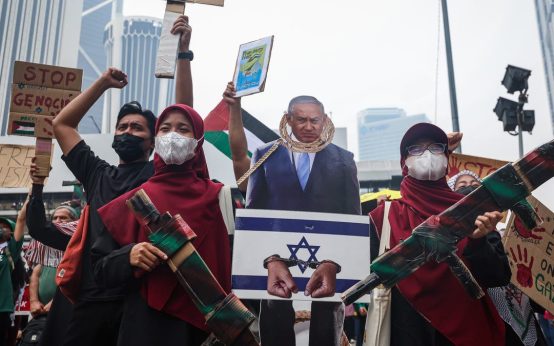 Coordinated Global Protests Against Israel
 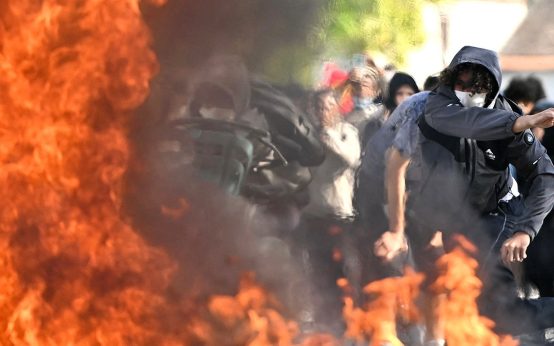 Student Protests in France Expose Deep Political and Economic Challenges
 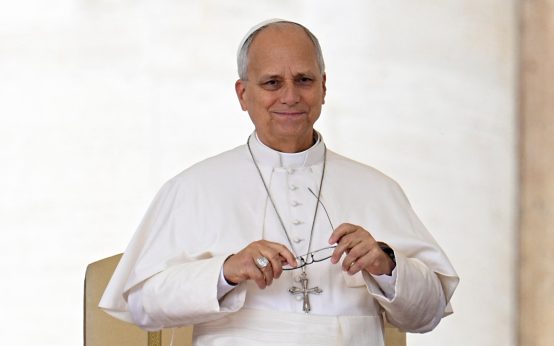 Pope Leo XIV Condemns Death Penalty in Light of Pentagon’s Execution Plans
 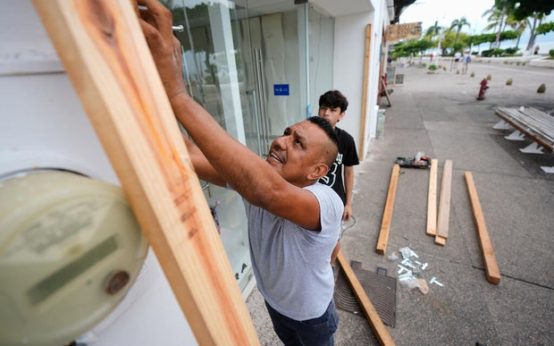 Hurricane Simon Surges Toward Mexico as Category 4 Storm
 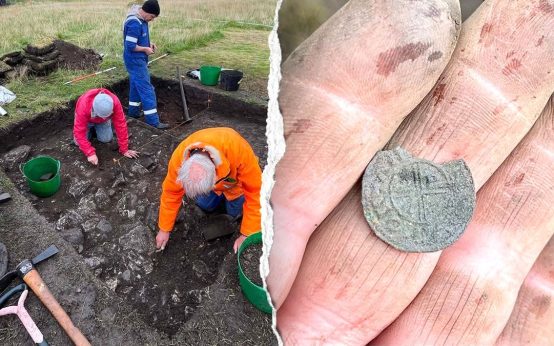 Ancient Anglo-Saxon Coin Discovered in Scotland
 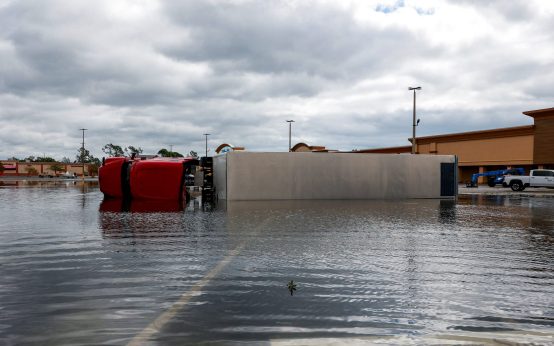 Severe Weather Events Impact Parts of the Southern U.S. and Mexico