The issue of welfare spending in the United States has come under scrutiny, particularly regarding how funds are being used. Concerns have been raised about cash welfare from the Temporary Assistance for Needy Families (TANF) program being spent on items such as alcohol, tobacco, and luxury services. This has prompted states to take action.
Nebraska’s Action on Welfare Spending
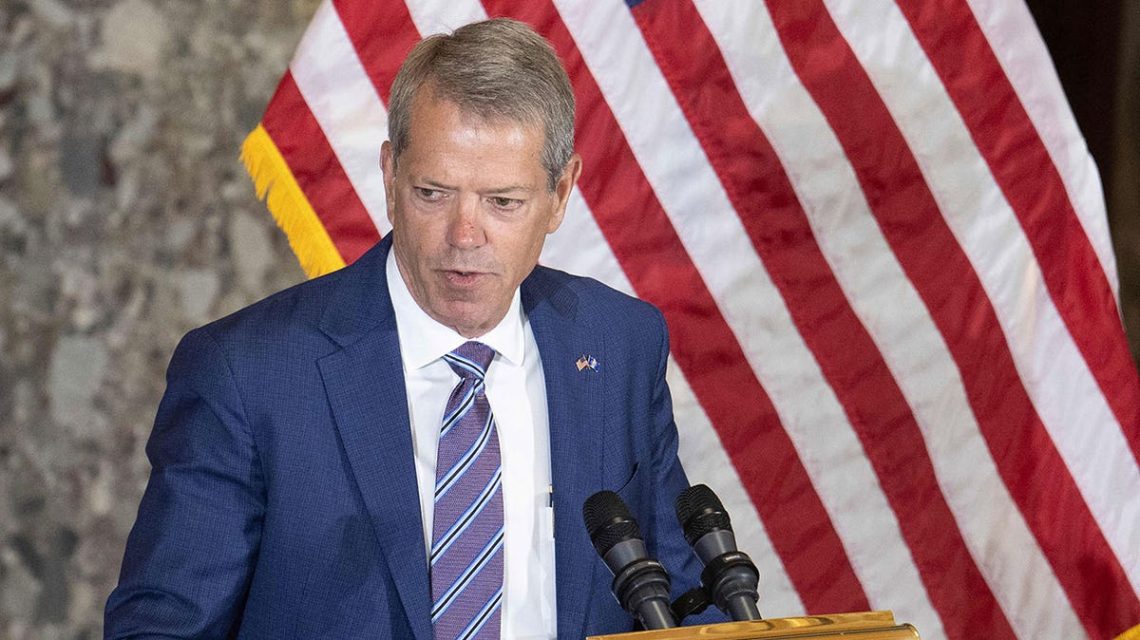
Nebraska, led by Republican Governor Jim Pillen, has introduced measures to combat this abuse. Gov. Pillen has announced restrictions on using cash welfare for purchasing non-essential items. These include tobacco, pornographic material, tattoos, luxury watches, and services such as fortune-telling and psychic readings.
From October 9, recipients of TANF in Nebraska are prohibited from using these funds for such purposes. This initiative aims to ensure taxpayer money is spent wisely, addressing long-standing loopholes in welfare spending.
Federal Guidelines and State Actions
The Trump administration has provided guidance to states, allowing them to request stronger welfare requirements. Although states cannot change federal requirements, they can propose amendments on how welfare money is spent within their jurisdictions.
Florida set a precedent in August when Governor Ron DeSantis moved to block welfare funds from being spent on various non-essential items. This decision received quick approval from the federal government, highlighting the path for other states.
Call for Nationwide Reform
Criticism arises on why such loopholes have persisted for decades without congressional action. However, the current efforts by states like Nebraska and Florida show progress in closing these loopholes.
The call is clear: Governors across the country must act to reform state welfare plans and ensure funds are used appropriately. Working with lawmakers could facilitate permanent reforms.
“It’s shocking that any state has allowed such blatant abuse of the taxpayer’s generosity for so long.”
The overarching goal is to protect both recipients who genuinely need assistance and taxpayers from fraudulent and inappropriate expenditures.
 Debate Over Driverless Vehicles in Washington D.C.
  Democrats Turn to Content Creators to Rebuild Latino Support
 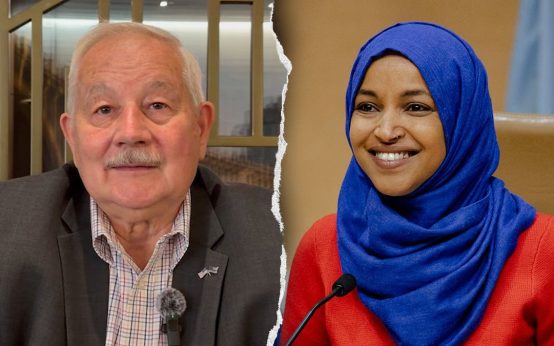 Former State Trooper Criticizes Handling of Gang Violence in Twin Cities
  Controversy Surrounds Jack Smith’s Actions and Public Appearances
  Trump and AI: Balancing Economic Potential and Regulation
 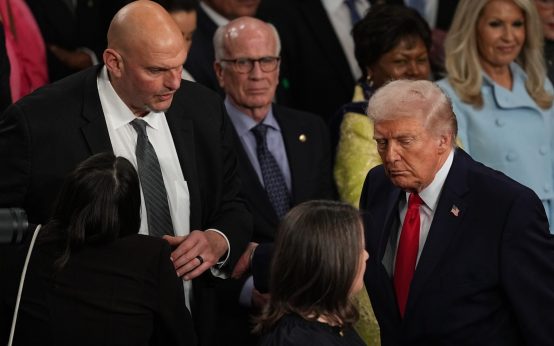 Speculation and Polling on John Fetterman’s Political Future