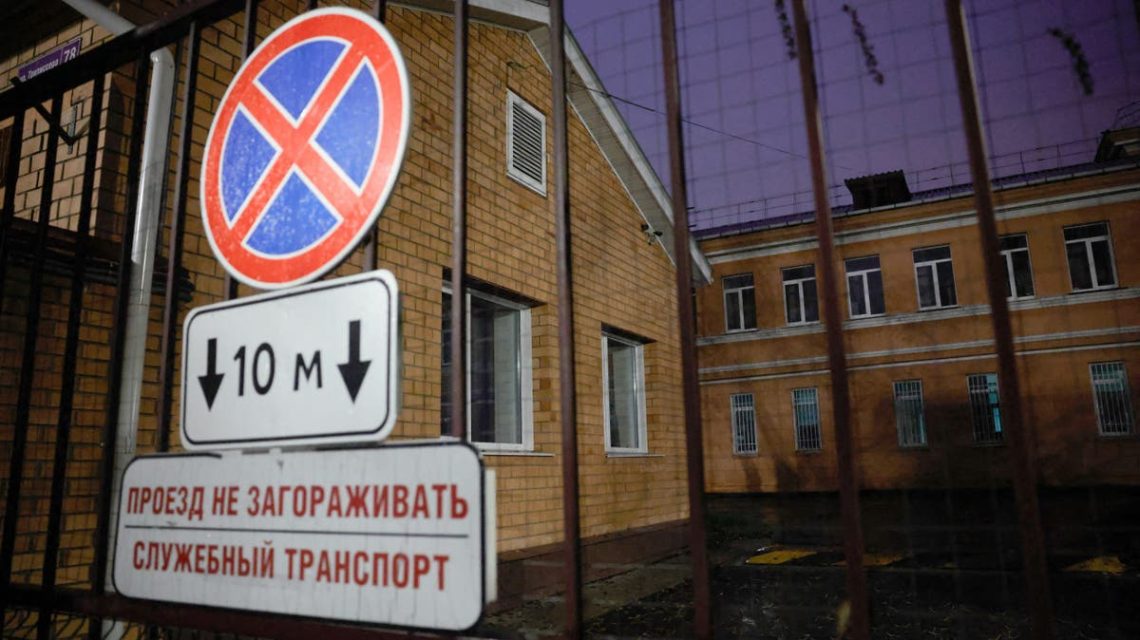
Marshall Billingslea, who served as a Senate Foreign Relations Committee staffer in the 1990s, discovered disturbing details from discussions with Ken Alibek, a top defector from the Soviet biological weapons program. Billingslea learned about the massive scale of the program that Russia later inherited, raising concerns over the recent death linked to an anti-plague institute in Russia.
Ken Alibek, the former second-in-command of the Soviet biological weapons program, disclosed the enormous scope of Soviet efforts. This information renewed scrutiny when a researcher at the Irkutsk Research Anti-Plague Institute died, prompting calls for Russia to disclose details about their current activities.
It’s not acceptable for the Russians to have a biological warfare program, said Billingslea. They need to be transparent about their work at this lab.
The U.S. government maintains that Russia still operates an offensive biological weapons program, violating the Biological Weapons Convention (BWC), which prohibits the development and stockpiling of biological weapons. A State Department report indicates that Russia absorbed the Soviet-era program and continues its activities without dismantling.
Although there’s no evidence directly linking the Irkutsk researcher’s death to biological weapons, this event raises questions about the Soviet legacy. Billingslea emphasized Alibek’s revelations about Soviet attempts to alter pathogens, making them more lethal and resistant to antibiotics, particularly the plague.
Alibek’s accounts detailed Soviet experiments combining plague bacteria with toxin-producing pathogens, making treatment challenging. The death of Darya Shipilova, 28, due to unknown pneumonia, led to heightened precautions in the region, with Russian authorities denying links to the pathogens at the institute.
U.S. officials rely on multiple sources beyond Alibek, confirming the details about the Soviet-era program. Billingslea mentioned that Washington had confronted Moscow about its biological weapons in the 1990s, knowing about facilities performing classified work alongside civilian health missions, including the Irkutsk institute.
Following the unexplained death, Russian authorities reported no connection to the pathogens handled by Shipilova, while the WHO requested more information from Moscow. Billingslea emphasized the importance of international pressure on Russia, suggesting that genetic data from the incident could provide crucial insights.
Billingslea encouraged nations beyond traditional U.S. alliances, such as Brazil and Mexico, to demand transparency from Russia. He sees the upcoming December meeting on the Biological Weapons Convention as an opportunity for countries to challenge Russia.
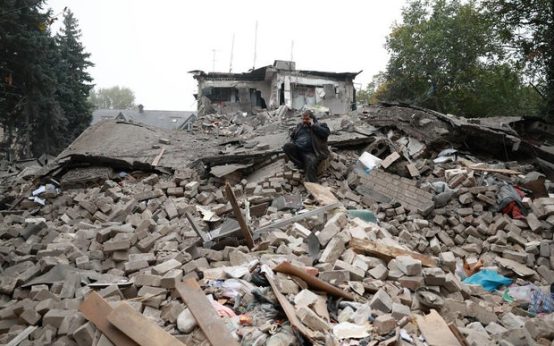 Russian Strikes Result in Casualties Amid Diesel Deal Controversy
 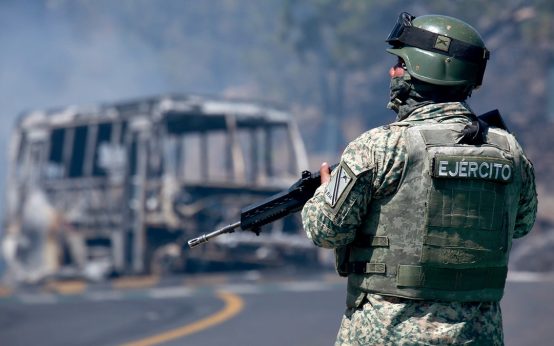 Cartel Dynamics Shift Amid Changing Political Landscape
  Investigating France’s Student Protests: A Web of Far-Left and Socialist Influences
 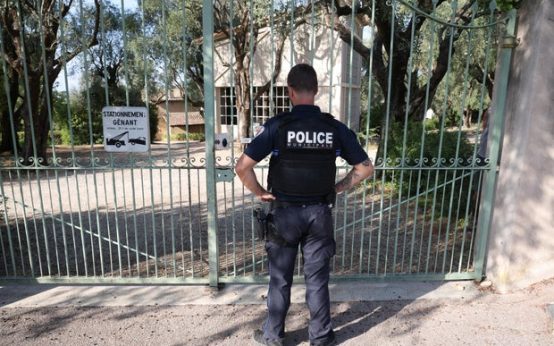 Recovery of Stolen Renoir Paintings
  Washington’s Strategic Choices Amidst Gulf Tensions
  Nobel Peace Prize Awarded to Navi Pillay