
Medical Ethics and Lethal Injection
Jonathan Groner has highlighted a flaw in lethal injection procedures. Medical professionals are the most qualified to administer these drugs but face ethical barriers. Groner terms this situation a ‘Hippocratic paradox’. Experience in handling complications during executions is limited due to these ethical prohibitions.
The American Medical Association’s Code of Medical Ethics stops physicians from taking part in executions. This is an ethical prohibition, not a federal law.
Christa Pike’s Failed Execution
Pike survived a failed execution attempt after receiving two doses of pentobarbital. She was then hospitalized for emergency treatment. Her survival raised questions about drug administration and quality. Newsweek reached out to Tennessee’s Department of Correction for comments.
Groner explained that intravenous access issues might be why Pike survived. Extravasation could occur, where the drug escapes into surrounding tissue instead of the bloodstream.
Groner compared the effect to a sustained-release preparation where the drug enters circulation over time. Pike experienced severe injuries, which may indicate extravasation.
Groner noted that pentobarbital solutions can damage tissues if not injected correctly. He advised investigating Pike’s injuries further.
Drug quality and administration methods need examination. Groner raised concerns about insufficient neurological assessments during executions.
Fasting and Lethal Injection Outcomes
Questions arose about Pike’s choice to skip her final meal and its impact. Previous failed executions linked dehydration to execution challenges.
Groner explained fasting’s primary purpose is to reduce aspiration risk, not impact drug effectiveness. Dehydration might complicate IV access, but experienced clinicians manage these challenges.
Future Execution Attempts
Pike’s attorneys contest aspects of the failed procedure. Another attempt may face legal and constitutional hurdles. The severity of arm injuries and Pike’s health are relevant considerations.
The Supreme Court prohibits executing people with intellectual disabilities but not those with mental illnesses.
Groner expressed concerns about neurological damage risks but noted Pike’s condition is improving.
Pike’s survival prompts questions about lethal injection reliability and execution procedures. Groner points out the dilemma between medical ethics and necessary expertise during executions.
 Christa Pike Moves to Rehabilitation Center After Failed Execution Attempt
  Federal Judge Seeks Detailed Communications in ‘Broadview Six’ Case
 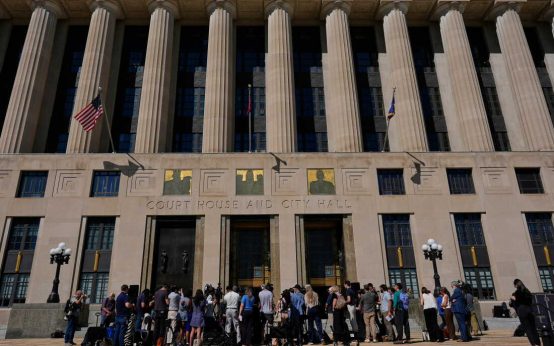 Failed Execution of Christa Pike Sparks Legal Concerns and Medical Scrutiny
  Efforts to Close Legal Loopholes Following a Tragic Home Break-in
  NASCAR Driver Jennifer Jo Cobb Faces Costly Legal Battle
  Former CIA Official Pleads Guilty to Fraud Scheme Involving Real Estate and Gold