As Super Bowl 60 approaches, fans may find the New England Patriots, led by coach Mike Vrabel, pondering a critical decision on a fourth-and-short play in the red zone. Alternatively, if the Seattle Seahawks face the same predicament, coach Mike Macdonald likely opts to take the points, a strategy he frequently employs.
The phrase “take the points” has become a contentious topic in modern football. Contemporary play calling advocates for going for it on fourth downs, especially in an opponent’s territory, based on the belief that the potential benefits outweigh the risks. As this debate rages on social media, coaches in both college and professional football increasingly take the gamble on fourth downs.
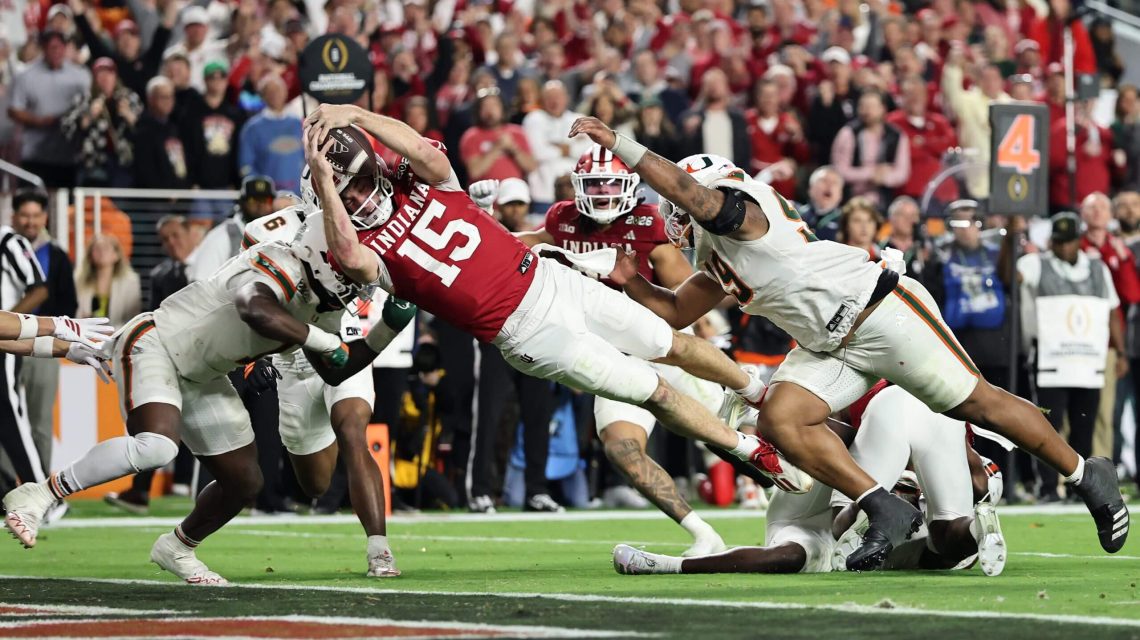
In a recent AFC Championship Game, the Denver Broncos’ coach Sean Payton made a pivotal call on a fourth-and-1 play, which they failed to convert. Conversely, the Indiana Hoosiers won a national title partially due to a successful quarterback draw on a fourth-and-4 play. These contrasting outcomes highlight the unpredictable nature of such decisions.
“The analytics side seems to dominate this debate,” said one NFL executive. “NFL teams attempted to go for it on nearly 34% of fourth-down opportunities in opponent territory in 2025, the highest rate of this century according to TruMedia data.”
There’s a divide within the football coaching community regarding the increasing reliance on analytics. Former St. Louis Rams coach Mike Martz, known for his offensive ingenuity with the “Greatest Show on Turf,” criticizes the overshadowing of human elements by analytical strategies. “There’s a foolishness in letting numbers dictate play decisions,” Martz remarked.
The argument for going for it on fourth down is supported by statistics showing a higher win probability from successful conversions, especially deep in an opponent’s territory. The NFL’s rule changes in 2024 have impacted these decisions, emphasizing the tactical advantage of positioning the ball after turnovers on downs.
Martz raises concerns that this approach overlooks crucial factors, such as the psychological impact on an offense failing to score after a lengthy drive. “Avoid leaving the field without points after moving 70 yards,” he stated. Teams now face a choice between near-certain field goal success and the riskier fourth-down attempts, which have shown improved success rates over recent years but still invite scrutiny.
In 2025, teams sought to convert fourth downs in red zones 237 times, a remarkable increase from 2020’s 159 attempts. Success rates also climbed, but the situation remains divisive. Patriots coach Mike Vrabel adeptly utilized these chances, converting 83% of their attempts, while the Seahawks conservatively attempted fewer fourth downs.
For Martz, the push toward analytics often undermines the game’s strategic essence and human intuition. While technology and data shape coaching decisions, Martz remains skeptical about reducing football to numbers. “Football is about being prepared and making educated decisions,” he asserts, warning against an overreliance on statistical analysis.
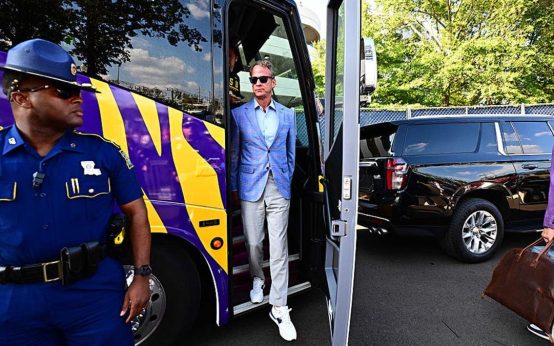 Ole Miss Triumphs: Lane Kiffin’s Return Adds Drama
 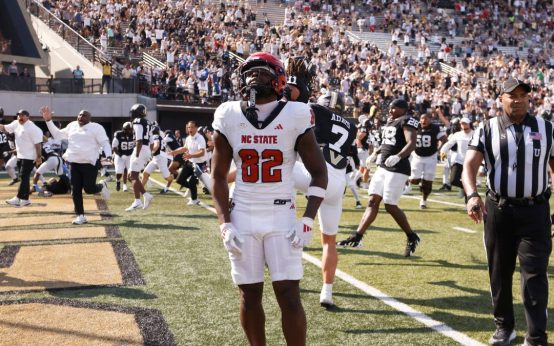 Vanderbilt’s Unbelievable Last-Second Win Over NC State
 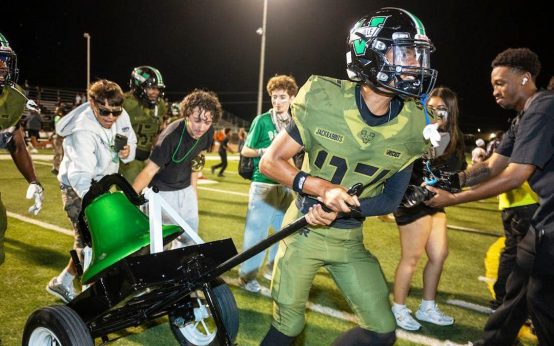 Security Concerns and Sportsmanship Issues Mark College and High School Football
  The 16th Presidents Cup Set to Tee Off at Medinah Country Club
  Caleb Williams Injured During Bears Game Against Vikings
  Drake London’s Heated Exchange with Fan During Falcons’ Loss