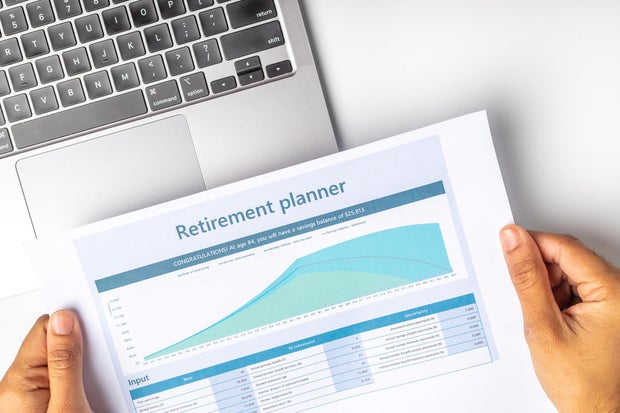
Planning for retirement involves many assumptions about your future. You need to estimate your spending, the duration of your savings, and potential investment returns. Currently, 61% of Americans have a financial strategy, as per New York Life’s 2026 Wealth Watch Midyear Outlook. This is an increase from the previous year’s 58%. However, with higher living costs, even a well-crafted plan may need revisiting.
Inflation affects confidence in these plans. The New York Life study found only 52% are confident their savings will last. While inflation rates have dropped from earlier in the decade, many expenses remain high, and prices are rising. This has created a gap between expected and actual retirement costs. When you’re retired, there are fewer ways to offset these costs.
Reevaluating Your Retirement Plan
Inflation may not require a complete overhaul of your retirement plan, but it does suggest reassessing some initial assumptions.
Impact of Inflation on Retirement Finances
- You may need a larger savings target: Inflation poses a risk of reducing purchasing power. For example, if prices rise by 3% per year, something costing $50,000 today might cost around $67,000 in ten years. This impacts retirement savings calculations made years ago. It might be wise to recalculate using current costs.
- Withdrawals may need adjustment: Rising costs can mean you need to change the amount withdrawn from portfolios. Simply increasing withdrawals isn’t always a solution, as it may deplete your portfolio faster. Reviewing your strategy might mean adjusting spending, maintaining cash reserves, or varying annual withdrawals.
- Your investment mix may need review: Inflation alters the role of different assets. Cash and fixed-income may lose purchasing power if returns lag behind inflation. Stocks offer growth but come with volatility. Some assets, like TIPS, can protect against rising prices. A long-term inflation shift might prompt a portfolio review.
- Social Security increases may not suffice: COLAs help Social Security benefits keep pace with inflation. In 2026, beneficiaries found a 2.8% COLA adjustment. However, personal expenses might rise at a different rate than these adjustments. Social Security should be part of a broader income strategy.
- Retirement date might change: For those nearing retirement, ongoing inflation can affect decisions about leaving the workforce. Higher prices could mean a delayed retirement. Extending work allows more contributions to retirement accounts and fewer years of savings needed, as well as potentially larger Social Security benefits.
Conclusion
Inflation doesn’t automatically disrupt a retirement plan, but it can render outdated plans less effective. Higher costs affect savings, income requirements, and portfolio longevity. Regularly reassessing the foundational assumptions of your plan can help avoid future disparities. Smaller, timely adjustments are preferable to late, drastic changes when the numbers no longer align with your retirement goals.