
In 2022, millions of Ukrainians fled their homeland due to a full-scale invasion, carrying hopes of a swift return. Now, four years later, a large number of them have settled in new countries. The expectation of a quick homecoming has given way to real-life adjustments and new beginnings in foreign nations.
Statistics from the Center for Economic Strategy indicate that about 5.6 million Ukrainians are still living abroad as a result of the ongoing conflict. By July, over 4.4 million individuals who had left Ukraine were under temporary protection in EU nations, Eurostat reports. Each of these numbers stands for a personal story: locals who’ve started afresh, enrolled children in schools, secured employment, and woven themselves into new communities.
The transformation of a temporary dislocation into a permanent settlement is apparent, yet many Ukrainians still harbor dreams of returning. Research shows that 43% of Ukrainian refugees plan to return home, but a significant 36% do not share that plan. For those considering a return, about 80% stress they will only go back after a definitive end to the war, when peace and stability are restored.
The complexities surrounding a decision to return are profound. While emotional ties to their homeland remain strong, the practicality of uprooting from lives rebuilt elsewhere poses a significant challenge. A mother’s longing to return might be countered by her child’s familiarity with a foreign education. Stable foreign employment could deter a parent’s return despite strong homesickness. Moreover, property in Ukraine might require extensive repairs or reconstruction.
The cessation of conflict in Ukraine would not immediately resolve the refugee crisis. While peace is necessary, additional supportive elements like housing, education, healthcare, and employment opportunities are critical to repatriation efforts. Most importantly, Ukrainians must feel optimistic about their future prospects in their homeland.
Those undecided about their future play a pivotal role. The state of Ukraine post-war—its safety, educational institutions, housing, and economic opportunities—will significantly impact their decisions. A favorable environment might encourage them to return. Conversely, a backdrop of uncertainty could lead them to maintain their new lives abroad.
Ukraine must also acknowledge that some citizens may choose to remain abroad. This should not automatically be seen as a repercussion of failure. Those living outside the country can still foster strong connections, contributing financially, investing, visiting as tourists, and supporting their communities from afar. Such a development could result in an extensive and globally connected Ukrainian diaspora post-conflict.
The Ukrainian government cannot mandate the return of expatriates. However, it can influence their decision-making process by safeguarding property rights, ensuring reliable compensation, expanding housing projects, boosting employment opportunities, retraining workers, and providing clear information about home conditions and opportunities.
The objective is not solely to bring every Ukrainian back. Rather, it’s about facilitating an environment where going back becomes a viable option. For the US and Ukraine’s European allies, this nuance is critical. Ukraine’s population dynamics will influence not only its recovery but also its economic strength, democratic stability, and security in the long term.
Kateryna Odarchenko, who authored this analysis, serves as the president of the PolitA Institute for Democracy and Development. Her work also includes holding a partnership role with the SIC Group Ukraine and participating as a member of the International Association of Political Consultants.
 Russian Strike Hits Civilians in Kramatorsk
  New Indictment Against Nicolás Maduro and Wife
  Unusual Buck Footage Goes Viral
 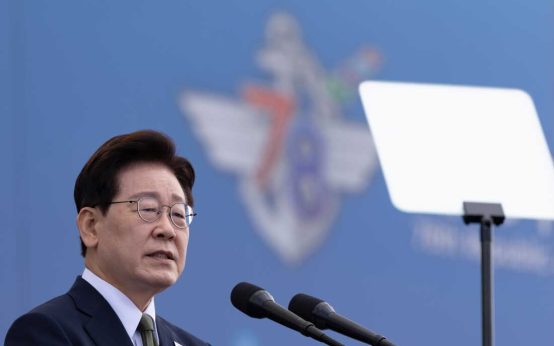 South Korea’s Advancements in Hypersonic Weapon Development
  California’s Demographic Shifts: A Closer Look
  Israel Marks Tragic Anniversary Amid Political Turmoil