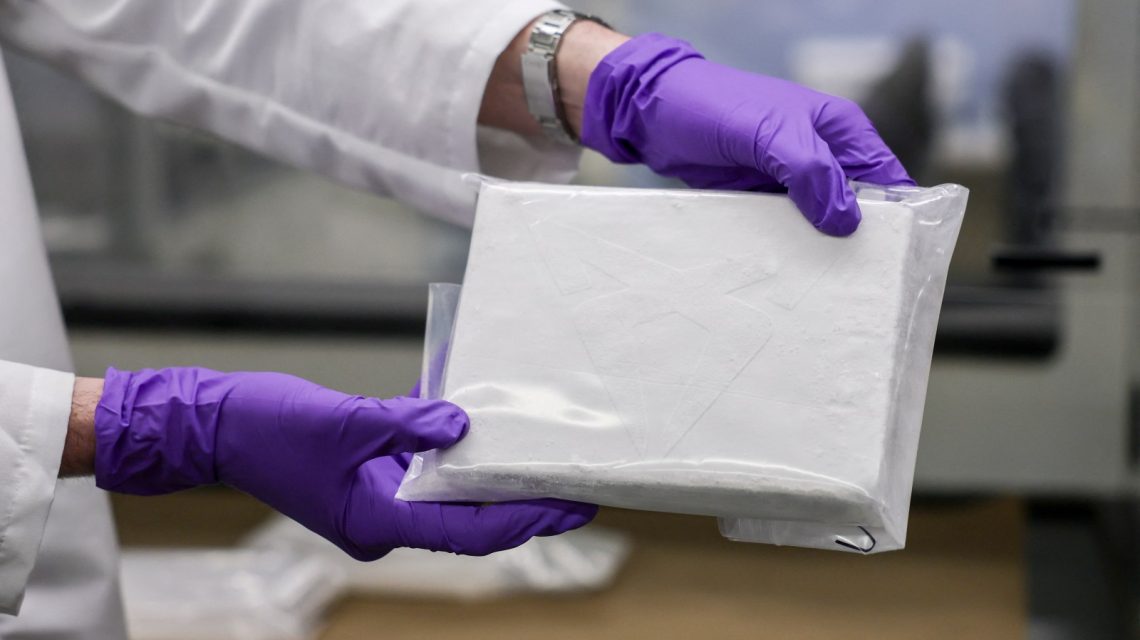
Emergency calls for opioid overdoses in Austin, Texas, have spiked due to cychlorphine, a synthetic drug reported to be 10 times more potent than fentanyl. In late September, Austin’s emergency medical services recorded 98 opioid overdose calls over 30 days, a significant increase from 73 in the previous year.
Of those, nine patients required more than two doses of Narcan to reverse the overdose. One to two doses is what’s common,
said Captain Christa Stedman of the Austin-Travis County EMS.
Comparative data from the previous year shows only two cases required multiple Narcan doses.
Although ATCEMS does not specify types of opioids during treatment, overdoses connected to cychlorphine often necessitate several Narcan doses. The state of Texas is not alone in facing these increased overdose rates. Nationwide, deaths attributed to this drug have surged, with Tennessee reporting the highest fatal overdoses with cychlorphine involvement.
Understanding Cychlorphine
Cychlorphine, also known as N-propionitrile chlorphine, is a synthetic opioid linked to multiple fatalities in the United States since last year. While not new, it has gained prominence in illegal drug distribution only recently. Developed in the 1960s by Belgian scientists, this class of synthetic opioids, benzimidazol-2-ones or ‘orphines’, was initially explored for pain relief.
Cychlorphine never received medical approval or commercial production, yet its synthesis method was published in academic papers, making it accessible online. According to Keith Humphreys, a Stanford psychiatry professor and former senior drug policy adviser, cychlorphine has surfaced in Europe, Canada, and the United States over recent years.
Cychlorphine Versus Fentanyl
The Drug Enforcement Administration (DEA) has raised alarms about cychlorphine being mixed with fentanyl and counterfeit pills, complicating detection. Standard fentanyl test strips fail to identify this potent drug. Man-made orphines surpass fentanyl in potency, and cychlorphine is estimated to be up to 10 times stronger.
Geographical Spread
Cychlorphine first appeared in the United States in Florida in April 2024, as per DEA data. By April 2025, the drug had spread nationwide, with 106 detections in 10 states. Reports indicate its presence is concentrated in the South, Midwest, and Northeast.
Between 2025 and early 2026, 55 deaths were linked to cychlorphine. Recent updates indicate at least 64 deaths in Tennessee alone between July 2025 and September. Chris Thomas from Knox County’s Forensic Center remarked that Tennessee’s figures might not be disproportionately high, crediting their extensive surveillance efforts.
As of July, Alex Krotulski from the Center for Forensic Science Research and Education noted cychlorphine-related deaths reaching 140 across 20 states and Canada. The absence of a standard national tracking method complicates compiling a precise death toll.
Wider Implications and Cautions
A tragic overdose incident involving two University of Mississippi students brought another drug, kratom, into the spotlight. Though connections are unconfirmed, authorities urge caution against using unprescribed substances. Dr. Dan Edney, the state health officer, highlighted the absence of cychlorphine detection in Mississippi, urging preemptive measures for incoming drugs.
Authorities stress that street drugs have never posed a greater danger. Officials fear cychlorphine could incite an opioid epidemic surpassing the fentanyl crisis. Chris Thomas warns of its lethal potential, emphasizing the drug’s minimal necessary dosage for fatality.
Efforts to curb cychlorphine fatalities include the Knox County RFC’s awareness campaigns and collaborations with substance abuse programs and law enforcement. Globally, 78 postmortem cases and 182 drug seizures involving cychlorphine were reported by the United Nations Office on Drugs and Crime, identifying its presence in 17 countries across Europe and North America.
If you or someone you know is facing substance abuse issues, reach out to the Substance Abuse and Mental Health Services Administration (SAMHSA) National Helpline at 1-800-662-HELP (4357).
 AI Prescriptions in Health Care: Utah’s New Initiative
  Understanding Rising Stroke Rates in Younger Populations
  A Cat Sitter’s Medical Crisis: Understanding Brain Aneurysms
  A Mother’s Journey with Her Son Born with Clubfoot
  Building Resilience: Learning from Crisis Management in Healthcare
  Bruce Arians Promotes Prostate Cancer Awareness Through NFL’s Crucial Catch Initiative