Three years ago, a Hamas-led attack claimed the lives of 1,200 people and took 251 hostages, leaving a mark on Israel and reshaping the region. Memorials for the victims of the Oct. 7 attacks have been conducted at homes, roadsides, kibbutzim, and the Nova music festival site, where over 360 people were killed, and 44 hostages were taken.
The assault initiated Israel’s war in the Gaza Strip, leading to the deaths of over 74,000 Palestinians and severe devastation. This conflict has expanded into a wider regional crisis, affecting areas like Lebanon and Syria, and has led to significant criticism of Israel globally. Currently, about 80% of Gaza’s structures are believed to have been damaged, with most of its population displaced.
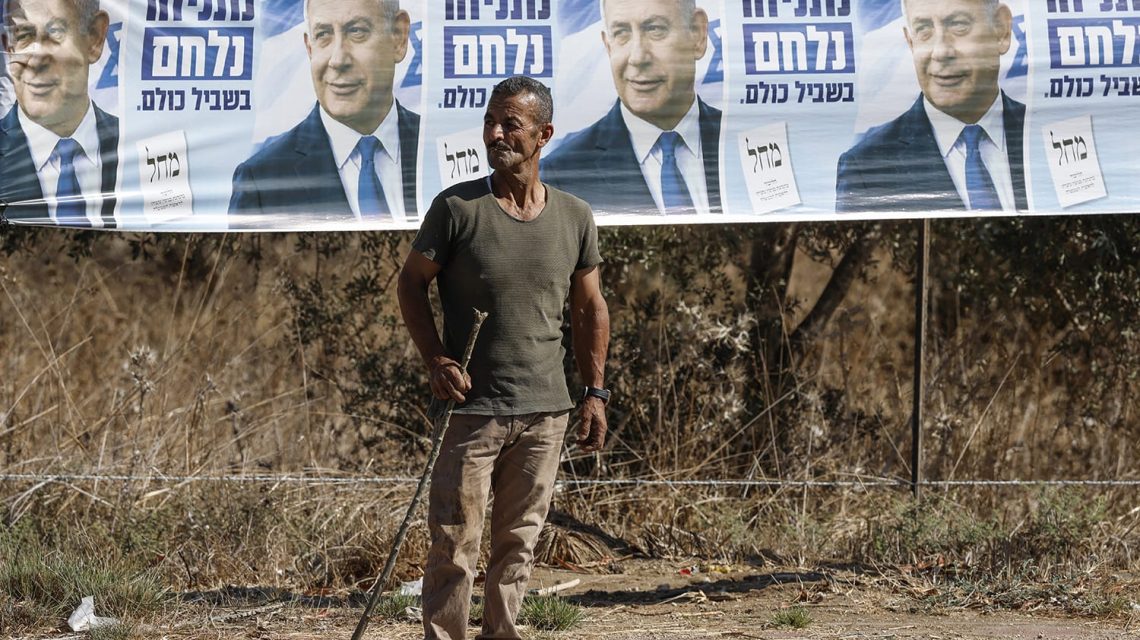
Today, Israelis participate in solemn memorials amidst a heated election campaign, where the 2023 attack remains a key theme. In 20 days, voters will decide whether to reinstate Prime Minister Benjamin Netanyahu, criticized for his handling of the attacks and their aftermath.
Netanyahu’s critics accuse him of allowing Qatari funding into Gaza and ignoring warnings from the UAE about a potential attack. He has rejected calls for a public inquiry, asserting that Israel has emerged stronger. Netanyahu credits military efforts in Gaza, Lebanon, and against Iran, claiming Israel remains the region’s strongest country.
Solemn Memorials and Political Tensions
Polls indicate 62% of Israelis view the attacks as a key factor in their voting decision. However, neither Netanyahu’s supporters nor his opponents have a clear majority in the Knesset. As emotions run high, memorials take place at significant sites like Kibbutz Nir Oz, where a quarter of its 400 residents were killed or kidnapped during the attack.
Lucas Cunio, who survived the Nir Oz assault, shared that although the trauma remains, activities like surfing have been therapeutic. “You really feel yourself again,” he said, reflecting on the journey of healing.
Global and Regional Impact
Hamas’ military wing acknowledged the high toll on Gaza’s population, yet lauded the fighters for their significant impact on history. Abu Obaida expressed gratitude to Iran and other militant groups for their support. Meanwhile, Gaza continues to suffer, with recent fatalities despite a tenuous ceasefire enforced nearly a year ago.
The conflict has sparked global reactions, as illustrated by an increase in antisemitic and Islamophobic incidents. Last year saw a 97% rise in violent antisemitic incidents, including attacks across various countries with significant Jewish populations.
Commemoration and Warnings for Israelis Abroad
Israelis abroad are advised by the National Security Council to remain vigilant due to potential threats related to the attack’s anniversary. Officials have suggested avoiding certain countries and minimizing displays of Israeli identity in public settings.
The third anniversary marks a significant point, as there are no Israeli hostages left in Gaza. As the memories linger, Israelis continue to honor those affected, emphasizing both loss and resilience.
 Labor Unions and Faculty Groups Sue Trump Administration Over Immigration Policies
  Collins and Jackson Face Off in Key Maine Senate Debate
  California’s Demographic Shifts: A Closer Look
  Israel Marks Tragic Anniversary Amid Political Turmoil
  Understanding the Complexity of Mexican American Identity
  Steve Hilton’s Controversial Campaign Tactics in California