On January 1 this year, tragedy struck at the Swiss resort of Crans-Montana. A fire engulfed a bar during New Year celebrations, resulting in the deaths of forty people and injuring over a hundred, many of them young and badly burned. Geneva University Hospital (HUG) received an urgent call shortly before 5 a.m., setting off a response involving hospitals in several countries. Patients were transported to burn centers in Lausanne, Zurich, Paris, Milan, and Stuttgart. This event underscored the reality that crises are unpredictable and diverse, ranging from mass-casualty events to cyberattacks, supply chain disruptions, or new viruses. Preparing for such unpredictability requires readiness to act rapidly.
Having spent nearly thirty years with the International Committee of the Red Cross (ICRC) and serving most recently as CEO of one of Europe’s largest university hospitals, I have learned that resilience is about governance, not a set plan. Traditional measures of preparedness, such as emergency plans and supply stocks, do not guarantee effective response when reality diverges from assumptions. True resilience requires systems to anticipate, decide, mobilize, adapt, and learn under pressure.
Anticipation
Anticipation involves considering possible scenarios before pressure hits, identifying what is at stake and what resources are needed. For instance, during the G7 summit in Evian, France, despite no certainty of violent protests, we prepared by adding 40 hospital beds, postponing surgeries, and setting up emergency tents. This advanced preparation gave clarity on decision-making roles and revealed previously unknown gaps in our systems.
Decision-Making
During crises, fragmented and rapidly changing information can paralyze decision-making. Waiting for certainty can cause failure. At the ICRC, field leaders were empowered to act on intent and principles, rather than specific procedures. Similarly, hospitals must define which decisions are delegated or made centrally and address ambiguous areas before crises arise. Effective leadership acts decisively despite uncertainty.
Mobilization
Technology and infrastructure are vital, but people and trust ultimately drive systems. In humanitarian contexts, access is negotiated far in advance through relationship building. Trust cannot be forged during a crisis. The fire at Crans-Montana highlighted our dependence on collaborating with other hospitals, suppliers, and services. Resilience governance involves understanding the vulnerabilities across this ecosystem.
Adaptability
Plans, even thoughtfully developed ones, require adaptation when they confront real-world conditions. During a summer heatwave in Geneva, plans were in place, yet some hospital rooms became insufferably hot. A nurse’s letter not only revealed these deficiencies, but also suggested improvements, underscoring the need for flexibility. Plans must evolve with experience, rather than remain static.
Continuous Learning
Beyond surviving crises, systems should learn and grow stronger. In 2017, our IT system faced a critical failure, teaching us that written redundancy does not guarantee resilience. This led to improved monitoring and testing protocols. Learning should result in substantive changes, not merely documented reflections. An example of turning experience into capability is the global adoption of alcohol-based hand rub developed at HUG, furthering public health worldwide.
As leaders, we need to ask ourselves relevant questions continuously: Who makes key decisions in emergencies, and are they prepared? Which dependencies could disrupt us, and are our backups effective? Whom do we rely on, and have we built relationships with them? When faced with frontline feedback challenging our plans, do we adapt? What lasting changes have we made in response to past crises?
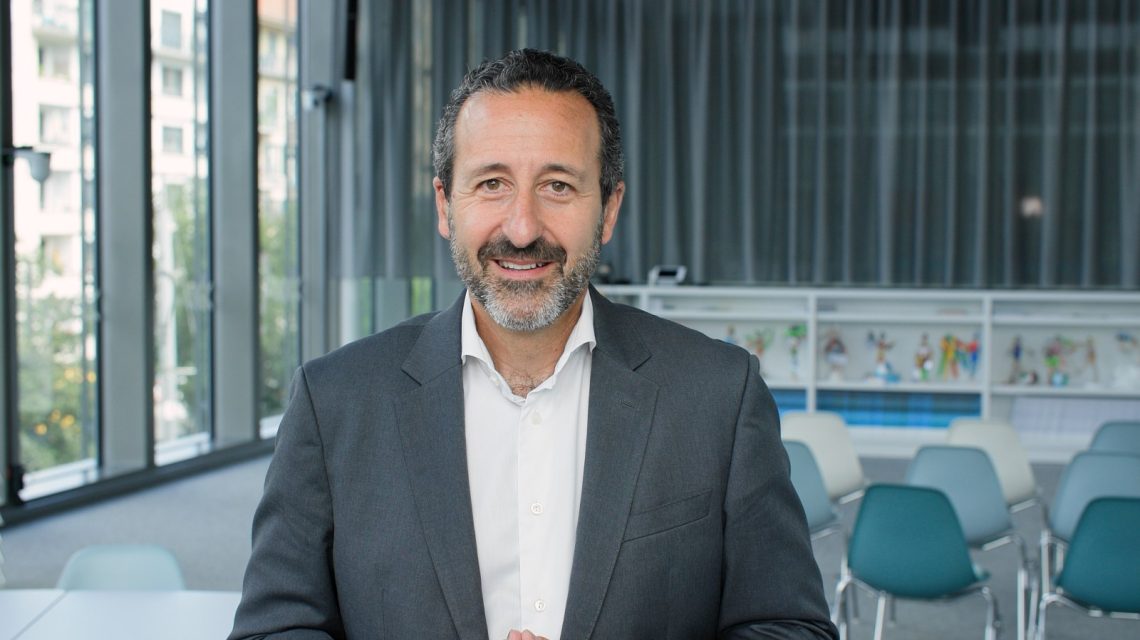
The capacity to learn and transform following unpredictability strengthens our readiness for future surprises. We cannot eliminate uncertainty, but we can ensure our organizations grow stronger and more adaptable in the face of challenges. Robert Mardini serves as director-general of Geneva University Hospital and contributes to the Newsweek CEO Circle. The perspectives shared are his own experiences and insights.
 Bruce Arians Promotes Prostate Cancer Awareness Through NFL’s Crucial Catch Initiative
  Trump to Speak with Putin Amid Suspected Plague Case in Russia
  Barriers to Accessing GLP-1s in the U.S.
  Support for Medicare for All Reaches Record High in 2026
  Dr. Drew Pinsky Warns About Behavioral Addictions Linked to Smartphones
  Death of Russian Scientist Raises Health Concerns