
Russia’s government recently addressed public concerns about reports of a scientist’s death in Siberia, potentially involving plague exposure. A Kremlin spokesman, Dmitry Peskov, advised citizens to rely on information from the state health watchdog, Rospotrebnadzor, which has expertise in such matters. The scientist was identified as Darya Shipilova, 28, who worked at the Irkutsk Anti-Plague Institute.
Media reports suggested Shipilova broke a test tube containing plague bacteria in late September. She subsequently developed severe pneumonia and died. The World Health Organization (WHO) confirmed she died from severe pneumonia on October 2.
The bacteria in question, yersinia pestis, caused the Black Death in the 1300s, which killed millions across Europe. The pathogen, if untreated, can result in swelling, fever, and death. Microscopic images depict yersinia pestis, the bacterium responsible for human plague infections.
Reports indicated Shipilova succumbed to pneumonic plague, which affects the lungs and results in fever and bloody cough. Unlike the bubonic plague, pneumonic plague can transmit from person to person and is often fatal.
Local authorities, including Alexei Tsydenov of the Republic of Buryatia, initially announced Shipilova’s death from the plague, but later altered their statements, adding the word “possibly.” The initial warnings for avoiding Shelekhov, where she was hospitalized, were retracted shortly after.
Rospotrebnadzor reported conducting anti-epidemic measures, testing nearly 200 contacts of Shipilova. Although some individuals tested positive for colds or COVID, no dangerous infections were found. The agency denied any lab accident, attributing Shipilova’s death to “pneumonia of unknown origin.” A WHO spokesperson assessed the public health risk as low.
U.S. Secretary of State Marco Rubio remarked on the suspected case in Russia, suggesting it merited attention but not alarm due to limited U.S.-Russia travel. Rubio emphasized monitoring the situation closely.
 Trump’s Political Sway in Latin America’s Elections
  Flávio Bolsonaro’s Strategic Decision in Presidential Campaign
  U.S. Marine Charged in Okinawa Murder Triggers Controversy
 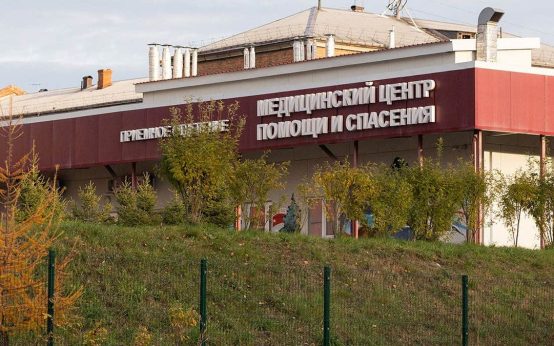 US Monitors Russian Pneumonic Plague Case
  Poland Prepares for Potential Conflict Amid NATO Concerns
  Drone Warfare Redefines Ukraine’s Frontline Conflict