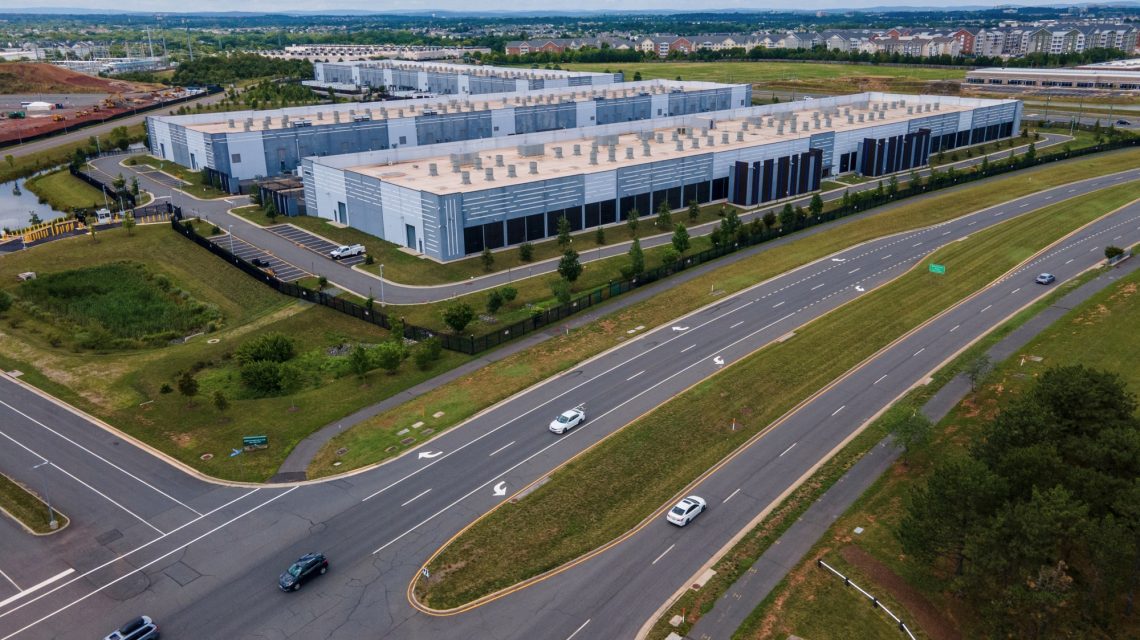
The rise of artificial intelligence has transformed from a simple software update to a significant global economic factor. Large investments in digital infrastructure highlight this change. Capital expenditure in big tech now resembles major national defense budgets. Enormous funds pour into silicon chips, advanced data centers, concrete structures, nuclear energy, and high-powered grids.
Industries such as heavy manufacturing, commercial real estate, utilities, and green energy now base their growth plans on escalating demand for computational power. Silicon Valley’s financial risks have global impacts. If investors find these physical assets unprofitable, the economic effects could hit industries like cement production and power generation swiftly.
Tech firms and venture capitalists invest billions in infrastructure to match software demand that mostly exists in business proposals. Building data centers requires huge initial investments, long-term power agreements, and short-lived technology. For instance, Nvidia GPUs can lose value when newer models are released. If software revenue falls short of expectations, new server centers may represent excessive spending.
Stock market volatility threatens even those unaware of tech developments. Tech firms significantly influence index returns. Pension funds, state retirements, index funds, and 401(k) accounts rely heavily on tech stocks. An office worker in Ohio or a teacher in Texas might not know about advanced technology terms, but their financial security hinges on tech stock valuations.
The job market presents a paradox. Recently, companies in finance, logistics, and retail froze hiring, expanded offices, and borrowed heavily, expecting automation to reduce labor costs. A Microsoft senior figure described this as “the largest theft of labor in human history.” Companies essentially rely on anticipated productivity gains, which have yet to materialize. If automation doesn’t meet expectations, corporate budgets may shrink rapidly, possibly causing job losses to compensate for costly software and infrastructure commitments.
The financial sector adds another risk layer. Wall Street banks, private equity, and non-bank lenders funded data center development and energy investments. Private credit funds, seeking higher returns in a volatile market, invested heavily in tech ventures through leveraged loans. When heavily leveraged asset classes lose revenue potential, the debt persists. Failed loans on unused data centers can transfer from company balance sheets to regional banks and private credit markets. A similar pattern occurred when risky housing loans spread losses across global financial institutions.
The current belief is that digital infrastructure is a safe investment with no risks. However, history warns that when Wall Street treats speculative future returns as certainties, significant costs often follow.
John Mac Ghlionn is a writer and researcher exploring culture, society, and technology impacts on daily life.