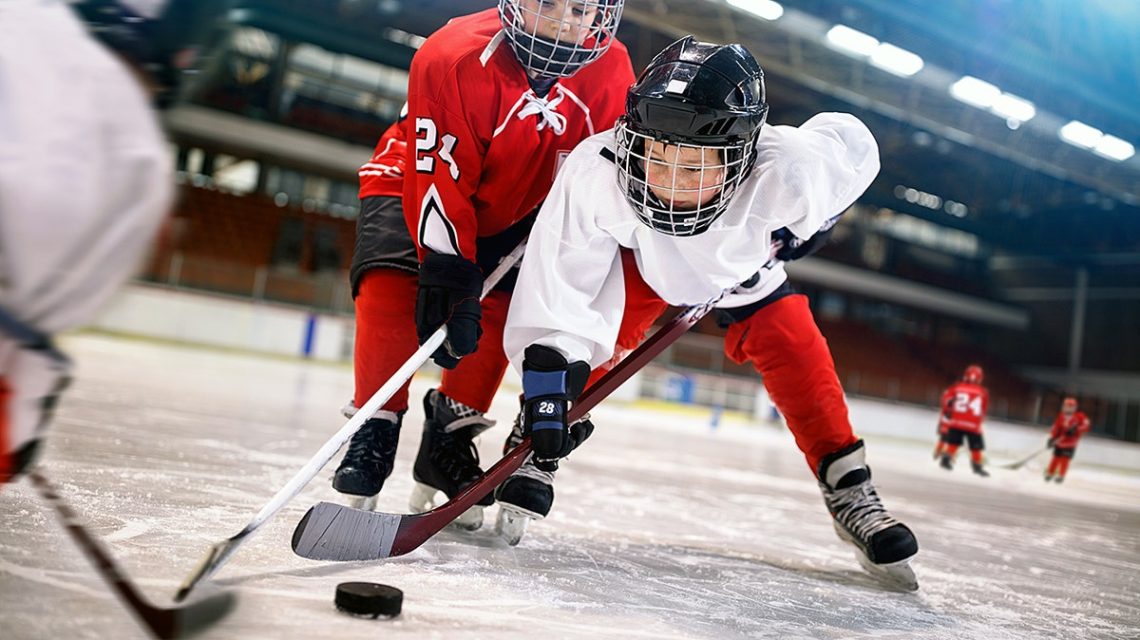
The youth sports season typically marks a busy period for families. Many parents pack their children’s schedules with practices, private lessons, and travel tournaments. These parents often have good intentions. They aim to provide their kids with every opportunity to excel in sports.
However, a misplaced focus has developed. Parents frequently lose sight of youth sports’ true purpose, increasing risks of injuries and burnout. These can pose long-term health threats for children.
The American attitude to youth sports can lead to both early burnout and a higher injury risk. (LuckyBusiness/Getty Images)
As someone who has spent considerable time in sports, both as a player and an orthopedic surgeon for the New York Mets, I have observed these issues firsthand. The American approach often emphasizes quick success and high achievement, overshadowing children’s developmental needs.
The Risks of Early Specialization
Parents and coaches sometimes view youth sports as direct pathways to fame or scholarships. This perspective encourages excessive training. Children undergo intense practices at early stages, without regard for their growing bodies.
Children’s bones, muscles, and tendons are still maturing. During puberty, rapid size changes may affect coordination. Training programs need to be tailored for these biological realities.
In my surgical practice, I frequently encounter sports-related injuries. For instance, a small percentage of girls who play soccer suffer ACL injuries. This risk seems manageable, but it accumulates with early specialization. Consistent play results in higher overall injury risk over time.
Impact on Lifelong Activity
Injuries can significantly affect a person’s ability to remain active throughout life. An ACL tear in high school could lead to future arthritis and disabilities. These consequences may limit involvement in recreational sports later in life.
Burnout influences lifelong activity, too. When sports become stressful, many children abandon physical activity altogether. They might never recapture the joy of staying active as adults.
Alternative Models of Youth Sports
Some countries have adopted different philosophies. Norway encourages broad participation. Children play multiple sports locally, developing at their own pace. Winning is a factor, but prolonged enjoyment and activity take precedence.
This system does not produce inferior athletes. Norway has developed stars like Erling Haaland. Importantly, many who began playing with Haaland continue their soccer journeys into adulthood.
In contrast, American youth often end their sports involvement prematurely. Exiting occurs before middle school, chiefly because the enjoyment fades.
Building a Better Youth Sports System
A system focused on lifelong activity would differ markedly. It would support multi-sport participation and teach foundational skills before expecting year-round competition. It must consider individual development rates and include time for rest and unstructured play.
Success, in this reimagined system, is not measured by scholarships. Instead, it hinges on cultivating lifelong athletes.
Andrew D. Pearle, MD, is the chief emeritus of the Sports Medicine Institute at Hospital for Special Surgery.
 Dining with Loved Ones May Benefit Blood Sugar Levels
  Ken Anderson Shares Insights on Heart Health and Football Evolution
  Addressing the Growing Food Security Crisis in East Africa
  Historic Opening of Northwestern’s New Ryan Field Marks a New Era
  The True Value of Youth Sports
  Controversy in Virginia Tech’s Game Against Pittsburgh Amid NCAA Protocols