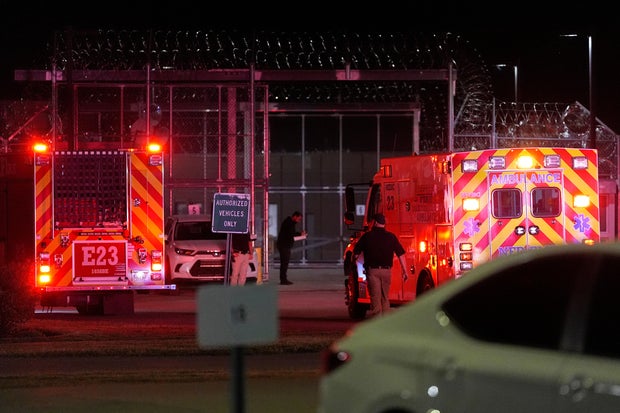
Christa Pike, the sole female inmate on Tennessee’s death row, survived an attempted execution after receiving two doses of a lethal drug. Her survival, described as “unparalleled,” is another example of the problematic history of lethal injections, both in Tennessee and nationwide.
Steve Ferrell, Pike’s attorney, expressed frustration at a news conference, emphasizing that the complications surrounding lethal drug protocols in the state had been foreseen, yet inadequately addressed by the courts. Pike, condemned for the 1995 murder of Colleen Slemmer, was the youngest woman sentenced to death row during the modern era of capital punishment.
Though her injuries were unclear, Pike’s legal team reported that she remained alive and was receiving medical care at a hospital. Despite the administration of pentobarbital, she retained consciousness and showed signs of life. Witnesses recounted Pike’s audible presence and engagement with prison officials during the execution.
Pike’s survival “lays bare multiple reasons why the death penalty should be abolished,” stated United Nations human rights chief Volker Turk. He criticized the failed attempts as both physically and mentally cruel.
Tennessee Governor Bill Lee has announced the suspension of further executions this year, pending an independent review of the recent incident. This decision followed a similar situation involving inmate Tony Carruthers, who endured prolonged difficulty with IV establishment earlier this year.
A Troubled History
Pike’s failed execution is not an isolated case within Tennessee. Carruthers’ execution was paused earlier due to the inability to establish an IV line, resulting in physical distress and repeated punctures. Despite allegations of cruel punishment, Carruthers’ clemency petition remains denied.
Issues of failed lethal injections have arisen in states like Alabama, Arizona, Florida, Oklahoma, and Texas. The Death Penalty Information Center notes the singularity of Pike’s survival following the actual administration of lethal drugs.
Robin Maher, the Center’s executive director, highlighted the comparison between Pike’s execution and that of Clayton Lockett, who survived an unsuccessful lethal injection attempt in Oklahoma before dying of a heart attack.
Secrecy and Protocol Controversies
Execution protocols in Tennessee resumed in 2025, following a hiatus caused by controversy. Investigations revealed that previous lethal drug batches were not adequately tested, leading to revised procedures using pentobarbital. However, concerns about the current protocol remain.
Advocacy groups criticize the secrecy surrounding execution protocols, which complicates legal challenges and contributes to mishandled executions. Pike’s legal team echoed these concerns, pointing to various procedural failures and inadequate emergency measures during her execution attempt.
Pike expressed her nervousness about the process beforehand, highlighting the lack of transparency and potential risks involved. Her attorneys stated that Tennessee’s failed execution confirmed their apprehensions regarding the flawed protocol.
The incident brings into focus long-standing issues tied to capital punishment and execution methods, fostering debates around their ethical and legal implications.
 Judge Dismisses Charges Against David Hearn
  Tennessee Execution of Christa Pike Halted Amid Unprecedented Complications
  Execution Set for Christa Pike After Supreme Court Lifts Delay
  DOJ Investigates Former Trump Aide Cassidy Hutchinson Amid Defamation Case
  Legal Proceedings in Lindsay Clancy Case
  Judge Rules in Favor of Wone Estate in Wrongful-Death Settlement