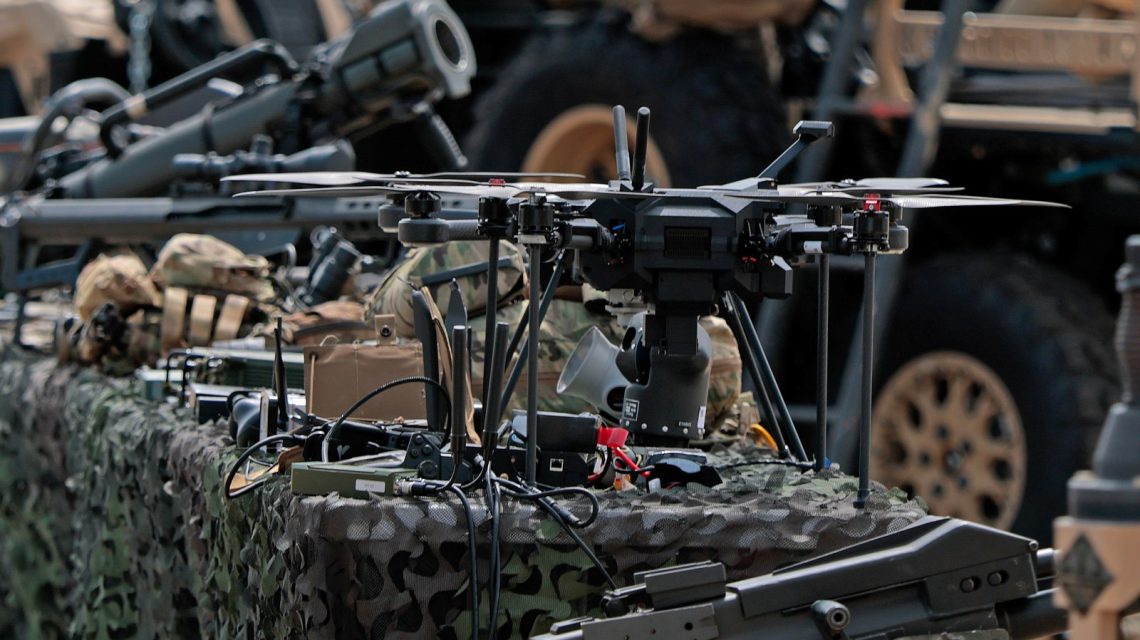
Pete Hegseth has proposed a vision for a military without ‘wimps, weirdos, and radicals.’ Simultaneously, he aims to integrate advanced technologies like autonomous weapons, superintelligence, and robotics into the military—a vision filled with complexities.
During his State of the Force address, Hegseth unveiled plans designed to steer the U.S. military towards new-wave warfare. Project Agincourt aims to establish a new four-star Autonomous Warfare Command. Alongside this, Project Meridian tasks Elon Musk, Anduril founder Palmer Luckey, and former House Speaker Newt Gingrich with identifying future technologies vital for maintaining military dominance.
‘We are no longer the woke department or the weak department,’ Hegseth stated. He emphasized a military composed of ‘just warriors.’
However, simplifying individuals into labels like ‘jocks’ or ‘weirdos’ is unrealistic. Many personnel, including those developing autonomous systems, may possess both intellectual and physical prowess. The military’s need for talents that excel in brainpower rather than physicality is essential.
The U.S. thrives on producing both remarkable warfighters and leading technology innovators, thanks to its large and diverse talent pool. Restricting military service to a narrow archetype risks limiting the armed forces’ effectiveness.
Some military branches recognize this necessity. In April, the Department of War introduced a Cyber Registered Apprenticeship Program, aimed at nurturing the next wave of cyber professionals. The Army offers direct commissioning for civilians with expertise in AI, software engineering, and drone technology. Similarly, the Navy seeks engineers and tech veterans to enlist in the Navy Reserve.
The military isn’t merely sourcing technology from ‘nerds’ but actively recruiting them into its ranks. If Hegseth persists in dismissing those who don’t fit a specific physical mold, the military may lose talented individuals crucial to its future success.
Ahead of Hegseth’s address, Donald Trump met with key tech leaders at the White House, signing an agreement on the responsible development of cutting-edge AI, termed ‘super intelligence.’
In times of conflict, innovators like Elon Musk, Mark Zuckerberg, and Jensen Huang should be utilizing their brains rather than engaging in direct combat. Their strengths lie in engineering solutions, not physical confrontations.
Anthropic’s Dario Amodei is another key figure in the AI landscape. Despite existing tensions, Anthropic’s AI capabilities play a significant role in military applications. The Pentagon recently awarded Anthropic a $200 million prototype agreement for advanced AI development.
Projects Agincourt and Meridian highlight America’s commitment to technological advancement in defense. However, Hegseth’s focus on a restricted warrior ethos must adapt to include diverse, unconventional talents essential for success.
 Political Strategists Karl Rove and David Axelrod Discuss Voting and Predictions
  The Trump Team Targets Military Leadership
  Trump’s Crypto Ventures Stir Controversy
  Maryland Bans Dynamic Pricing in Grocery Stores
  Democrats Eager to Flip Senate Amid Polling Challenges
  Challenges Faced by Republicans in the Upcoming Midterms