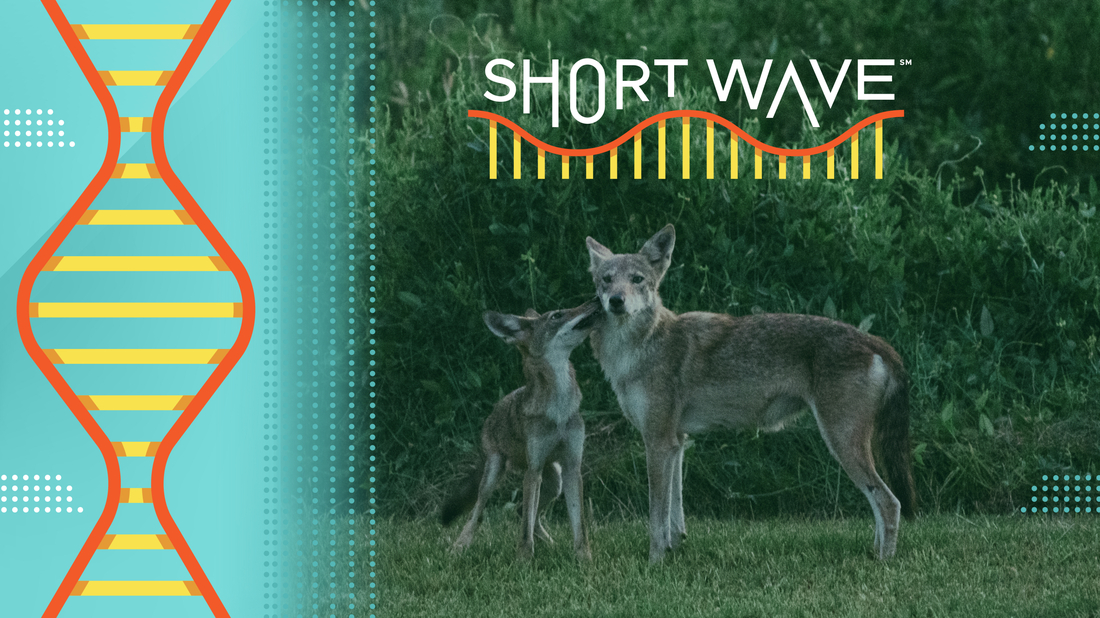
The American Red Wolf’s Struggle for Survival
The American red wolf, a small and resilient canid known for its cinnamon-colored coat, once freely roamed the American Southeast. These wolves played a vital role in the ecosystem, preying on deer and small mammals across Gulf Coast landscapes. However, upon arrival, early European settlers perceived wolves as adversaries. Wolves competed with human hunters for game and were seen as threats to livestock and agriculture.
The Decline of Red Wolf Populations
Federal programs intensified efforts to eradicate wolves. Bounties were offered for trapping, hunting, and killing them, leading to a rapid decline in their populations. Bridgett vonHoldt, an ecology and evolutionary biology professor at Princeton University, highlights the stark reduction in red wolf numbers by the mid-20th century. The population plummeted, prompting urgent calls to save the species from extinction.
Conservation Efforts and Challenges
Recognizing the need for action, American conservationists and the U.S. Fish and Wildlife Service stepped in during the 1970s. They recruited contractors to capture as many canids as possible. This effort included trapping a mix of coyotes, dogs, red wolves, and hybrids. From several hundred canids, forty exhibiting strong red wolf traits were selected, ultimately establishing a founder population of fourteen red wolves. These wolves are ancestors to all captive American red wolves today.
Efforts to Increase Genetic Diversity
Currently, only a few hundred red wolves exist in captive breeding programs. A small number roam wild on North Carolina’s Albemarle peninsula. Unfortunately, the limited founder population restricts genetic diversity. Bridgett vonHoldt’s work focuses on recovering lost genetic diversity through “ghost genetics.” This involves exploring gene dictionaries, researching possibilities in unexpected places (even animal droppings), and tracing a common Texas coyote’s photo back to its origins.
Conservation Outreach and Engagement
Listeners have an opportunity to suggest animal topics for future discussions by contacting [email protected]. For those interested, Short Wave podcasts are accessible on Spotify and Apple Podcasts. Supporting Short Wave via Short Wave+ at plus.npr.org/shortwave offers sponsor-free listening experiences and contributes to NPR’s endeavors.
This episode’s production team involved several members. Hannah Chinn produced the episode, with editing led by showrunner Rebecca Ramirez. Tyler Jones ensured factual accuracy, while Robert Rodriguez managed audio engineering. Senior director Beth Donovan and senior vice president of podcasting strategy Collin Campbell oversaw the project.
 SpaceX Starship Completes Orbital Test Flight and Satellite Deployment
  Studying Black Bears’ Hibernation at Virginia Tech
  Tackling Plastic Pollution: A Shift Toward Flax-Based Alternatives
  Understanding the Impact of a ‘Super’ El Niño
  Largest Viking Age Silver Hoard Found in Finland
  Dogs Use Human-Like Strategy to Process Speech