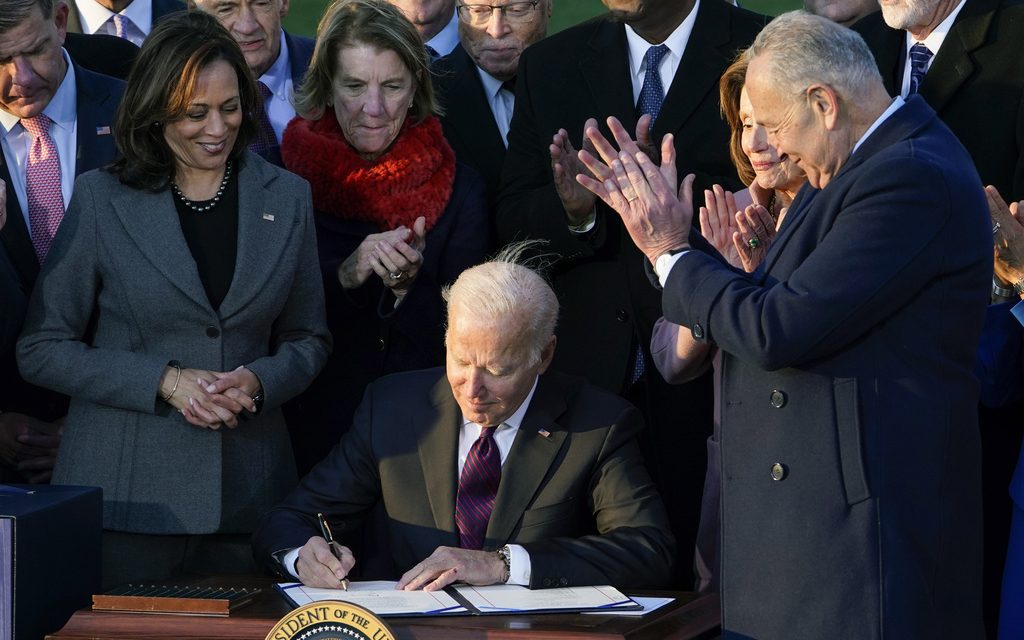
President Joe Biden signed a $1.2 trillion bipartisan infrastructure bill in November 2021, marking a significant legislative milestone. This funding is set to support 17 projects announced by the Biden administration aimed at enhancing renewable energy in rural areas, with a focus on Native American tribes. The initiative, costing $366 million, demonstrates efforts to expand energy access and is funded by the infrastructure law enacted in 2021.
Working families are facing challenges as prices of essential goods and services rise. From groceries to gasoline, and even utility bills, the financial burden is increasing. Inflation outpaces wage growth, leading to affordability being a major issue in the upcoming 2026 election. Although both parties have focused on this matter, concrete solutions are needed.
The Republican party’s actions, such as increased spending on immigration enforcement and preferential treatment for certain figures, are criticized as exacerbating the affordability problem. Measures like Medicaid cuts and tariffs have contributed to additional expenses for families. This has fostered a sentiment that Washington fails to support working families effectively.
The sentiment of frustration is often leveraged to incite political and cultural divisions. However, history shows that Congress can deliver impactful policies aimed at economic improvement. During the period when Democrats held power, key legislative measures were set in motion. In August 2022, significant laws like the CHIPS and Science Act and the Inflation Reduction Act aimed at reducing costs in manufacturing, supply chains, healthcare, and energy were enacted. These laws intended to improve affordability and accountability.
Reflecting on the 117th Congress, known for its productivity, accomplishments extend beyond economic laws. The bipartisan infrastructure law of November 2021 is a testament to effective governance, promising job creation, infrastructure upgrades, lower consumer costs, and improved internet access in underserved areas.
Democratic leadership championed initiatives like the ‘Make It In America’ plan, focusing on job creation and cost reduction. As many struggle with high prices, political participation and engagement are vital. Evaluating and holding accountable those in power based on their actions ensures progress.
Steny H. Hoyer, with decades of experience in Congress, emphasizes the importance of consensus in leadership. Despite close voting margins, impactful legislation was achieved. His reflection on the effectiveness of the 117th Congress highlights the potential for cooperation in government. Encouraging leaders ready to collaborate and meet the high expectations of citizens is crucial for future progress.
Steny H. Hoyer, representing Maryland’s 5th District, concludes with a call for leadership committed to improving lives. His retirement marks the end of a long, experienced career in legislative service.
 Trump’s Ambitious Construction Plans in Washington D.C.
  President Trump to Make Major Announcement
 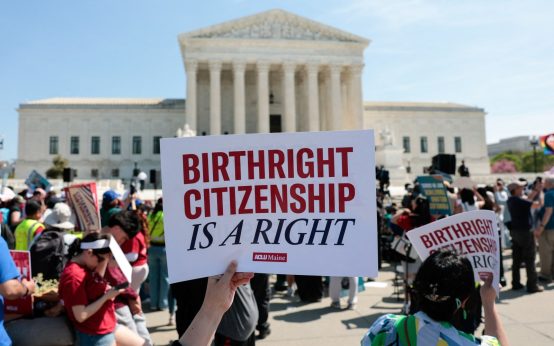 Senate Bill Targets ‘Birth Tourism’ in Visa Applications
  Detroit Free Press Endorses Abdul El-Sayed for Michigan Senate
  Texas Senate Race Heating Up: Talarico vs. Paxton
  GOP Lawmakers Urge Action on Living Costs Ahead of Elections