
In Chandler, Arizona, a content creator captures her life with a house margarita during the grand opening of Padeland, highlighting the dual nature of today’s American society. The U.S. now operates as two identities sharing the same location. One identity exists in the tangible world, characterized by citizens driving older vehicles and purchasing regular goods. The other exists in the digital realm within smartphones, populated by individuals living lifestyles driven by daring financial choices.
Empower, a financial services company, reports that 24 percent of Generation Z faces pressure to flaunt material wealth on social media, despite 41 percent of all Americans not considering themselves financially affluent. This creates a cycle where financially strained individuals spend borrowed money to pretend they are wealthy.
This phenomenon is visible in urban cafes, where people pay $7 for drinks, adding to financial strains through expensive credit terms. These transactions are more about social signaling than consumption, showcased by users posting images online for validation.
Such behaviors extend to the retail and dining sectors, with people purchasing costly items to elevate their status. Whether it’s a $400 T-shirt or dining expenses split through payment apps, individuals are united by a propensity for financial self-damage.
The internet ecosystem fuels this cycle by adapting to contradictions. “De-influencing” is trending, as creators suggest followers avoid expensive products in favor of budget alternatives, but this merely shifts purchases without genuine financial relief.
Travel media further illustrates this reality, depicting luxurious vacations that often lead to enduring debt rather than genuine leisure. This results in a disconnect between the digital portrayal of life and the actual experiences bound by financial constraints.
This societal division represents a split consciousness: the digital persona enjoying affluence, while the physical one grapples with economic difficulties. The digital self maintains the allure of a rich lifestyle, while the physical self battles basic survival pressures.
This complex dynamic persists because admitting fiscal limitations feels like failure amidst a culture valuing consumption. Society’s cohesion lies in the shared debt burden and digital divisions, each trying to maintain the facade of prosperity.
 College Podcast Challenge: A Catalyst for Change
  Shifting Latino Demographics in Chicago’s Neighborhoods
  Kennedy Center Faces Layoffs Amid Ongoing Legal Dispute
  Disappearing Meals: How Modern Life is Changing How We Eat
 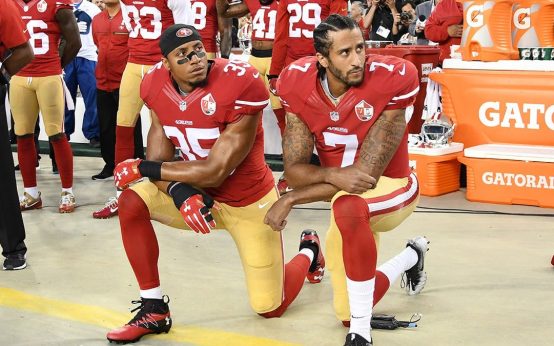 Colin Kaepernick’s Press Tour Raises Unasked Questions
  Controversial Claims in Charles Spencer’s Book about Princess Diana’s Divorce