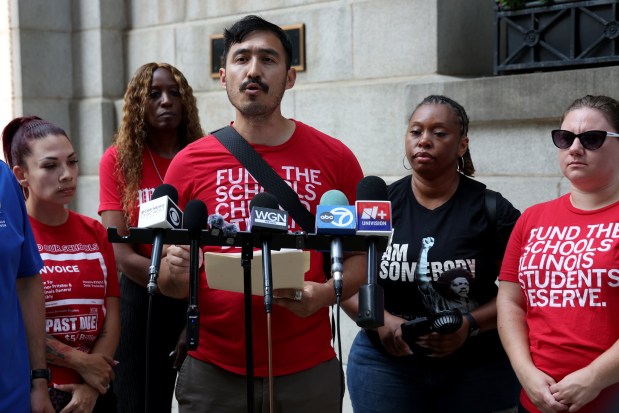
The Cook County Board, under President Toni Preckwinkle, awarded $191 million in stopgap loans to 32 local villages, libraries, and school districts. This initiative aimed to mitigate the effects of a property tax delay this fall. Despite the funding, many suburban agencies received less than requested, leaving them in financial distress. However, $109 million remains unallocated according to information accessed via a Tribune open records request.
Initially, Chicago Public Schools (CPS) were excluded from the loan program. Although the Cook County Board had initially promised to consider helping CPS post-funding to suburban entities, this assistance appears unreachable. CPS did not formally apply for the remaining funds, citing the amount as insufficient for their significant shortfall. Preckwinkle’s administration confirmed that the opportunity has passed.
The loan initiative, unveiled earlier this summer, provided eligible suburban schools, libraries, and villages with funds equivalent to two months of expected property tax revenue. This offer came alongside announcements of tax bill delays, further stressing reliant taxing bodies.
Practical Impact on Local Agencies
Several applicants requested more than was granted. For instance, School District 57 in Mount Prospect sought $20 million but received approximately $6 million. Similarly, Skokie/Evanston School District 65 asked for $68.3 million, receiving under $23 million. The city of Berwyn obtained $5.6 million against a request for $13.5 million. Many applicants expressed concern over possible prolonged delays in receiving funds.
South suburban governments also faced funding shortages. Troublesome budgets and low tax collection rates exacerbate these financial issues. Harvey, as an example, was granted around $1.7 million after a $24 million request. Harvey’s earlier $164 million debt was met with a state denial for Financially Distressed City status, leaving a $24 million shortfall.
Other municipalities like Robbins and Dolton reported receipt of significantly lesser amounts compared to their applications. Robbins’ tax collection rate is slightly below Harvey’s, while Dolton is involved in lawsuits over alleged financial mismanagement.
Complications from Past Delays
Last year, Cook County faced distribution issues with funds, causing underpayments and overpayments to districts. Treasurer Maria Pappas’ office managed some solutions, including Christmas-time direct deposits, yet reporting issues persisted. This year’s distributions commenced in October, still facing portal functionality challenges.
New Trier Township High School District, largely funded by local property taxes, received a $22 million loan. Their initial request was $40 million, based on cash flow projections with possible tax distribution delays. They borrowed last year due to five-month delayed installments. Cook County’s modernization efforts of their assessment and tax collection system, although causing a third year of delayed payments, are widely appreciated.
West Northfield School District received $3.3 million, acknowledging the loan as essential for supporting payroll amid delayed revenues. Superintendent Erin Murphy praised the program’s simplicity and supportiveness, although critical of Pappas’ office for lack of communication on distribution schedules.
Wheeling’s School District 21 acquired $18.9 million of the $34.2 million asked for. The loan provided assurance covering regular expenses amid delayed distributions.
Broader Financial Context
The delayed tax bills, due in October, have squeezed district revenue sources, a long-standing complaint in Cook County’s lengthy upgrade of the tax system. This crunch often prompts districts to seek short-term financing options, including costly “tax anticipation” notes.
Preckwinkle’s initiative particularly targeted districts with restricted borrowing or low reserves, inviting them to apply for interest-free loans. Her office, however, remains hopeful of repayment post-property tax collection.
This year, Preckwinkle widened loan qualifications and offered application support, resulting in the highest loan distribution in the program’s history.
However, the loan program’s aid to CPS seems unlikely, with leftover funds now inaccessible as of September 1. The previous offer to consider unused funds for CPS is now off the table, given the county’s restrictions once tax bills issued.
Chicago Teachers Union and officials have advocated including CPS in the aid, stressing its critical financial situation, particularly due to past tax anticipation borrowing and resulting interest costs, intensified by tax delays.
The district’s fiscal health suffered more, despite dialogues with the county. S&P shifted its outlook on CPS debt to ‘negative’, indicating a potential downgrade driven by property delays, reduced federal funds, and large operational costs.
In court, the Illinois Federation of Teachers sued Cook County over delays, highlighting its impact across member districts and urging expedited bill processes alongside restitution for earlier financial losses.
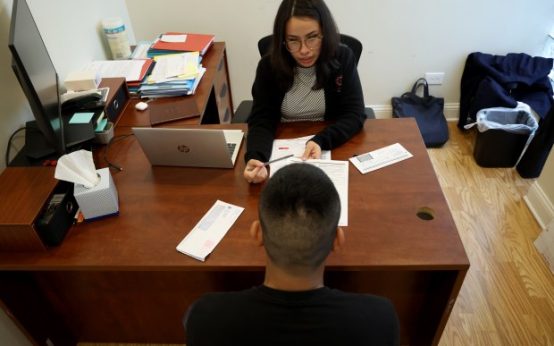 Freddy Cazares: Navigating the Limbo of Immigration Detainment and Uncertain Release
  Concerns Over Political Influence in Academia
  Affordability Crisis Raises Questions About Wealth and Democracy
 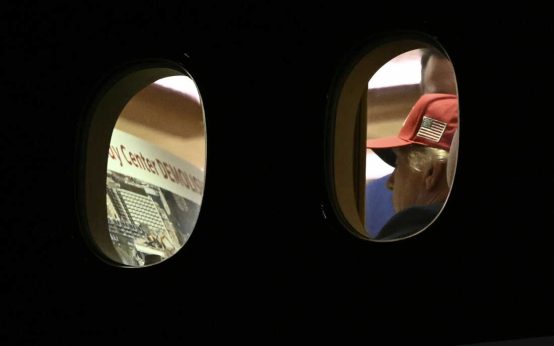 Judge Rules Against Immediate Demolition Threat of Kennedy Center
  Trump Bans Major Media Outlets from White House Access
  Puerto Rico’s Water Crisis: Infrastructure Challenges and Civic Engagement