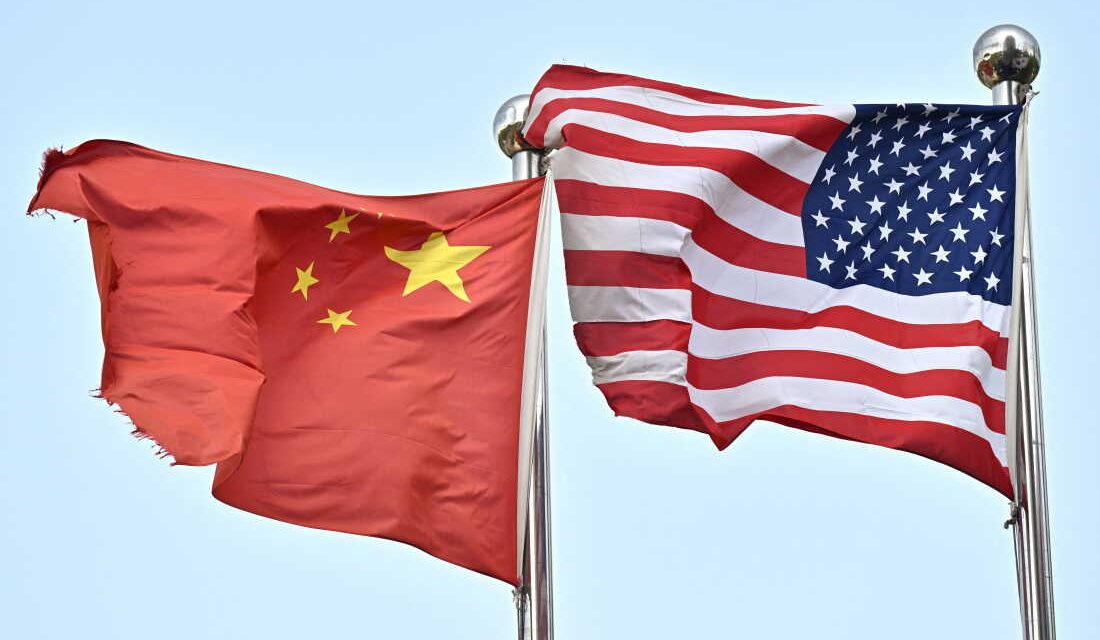
The United States and China are entrenched in intense competition over artificial intelligence (AI). This rivalry is marked by deep mutual distrust. Experts are skeptical about any significant changes when President Trump and Chinese leader Xi Jinping meet in Washington next Thursday.
Recently, the Trump administration accused Chinese AI firms of intellectual property theft by allegedly replicating top US AI models. This led to threats of sanctions. Meanwhile, China has criticized US restrictions on chip exports, describing them as a play from a “Cold War playbook” aimed at suppressing Chinese AI innovations. This situation leaves little room for compromise.
However, beneath these tensions, a network of informal discussions known as “Track Two” diplomacy persists. These informal dialogues bring together experts from both nations, addressing topics ranging from nuclear disarmament to climate change. Sarah Beran, an ex-US diplomat now heading the National Committee on US-China Relations, underscores the importance of AI discussions between the two countries.
Beran notes the prevailing lack of trust between China and the US regarding AI. “The fear of chokepoints,” where one country might impede the other’s AI progress, complicates discussions further. Despite these challenges, Track Two diplomacy aims to enhance understanding and develop policy solutions agreeable to both sides.
Historically, Track Two has served as a back channel, providing low-stakes avenues to present and test ideas. Beran recalls how after direct military talks between the US and China halted following Nancy Pelosi’s visit to Taiwan in 2022, Track Two offered a potential path to resume these communications.
Jack Shanahan, a retired Air Force general engaged in Track Two dialogues, highlights its role in reaching a 2023 agreement that any use of nuclear weapons should be human-controlled rather than AI-dependent. This agreement resulted from extensive quiet dialogue.
Samm Sacks, affiliated with Johns Hopkins and New America, has participated in several Track Two discussions on AI in China. These dialogues enable candid exchanges on sensitive issues without immediate public consensus obligations. Sacks observes that despite friction over chip export controls and intellectual property accusations, the US and China share common concerns regarding AI vulnerabilities.
Shanahan adds that China views itself as an AI underdog. Nonetheless, there’s been a perceptible change in China’s approach as AI technologies evolve and the stakes rise.
Despite the significant hurdles, experts see Track Two as a method to understand each other’s perspectives and decision-making processes regarding AI. Scott Kennedy from the Center for Strategic and International Studies emphasizes the need for government backing to make Track Two effective.
Track Two initiatives are not cure-alls for the issues but can guide and prepare the groundwork for future engagements. Samm Sacks points out current disagreements over AI development make this a crucial moment, with recent US AI firm efforts for a global AI development slowdown not well-received by China.
For effective engagement, Sacks believes both governments should signal a joint interest in addressing AI-related risks. While the Trump administration has shown less engagement with Track Two dialogues, participants remain focused on the upcoming Trump-Xi meeting for signs of possible cooperation on AI. Beran reiterates the importance of building trust and confidence in Track Two as a “safe space” for discussing these critical issues.
 Court Rules Against Third-Country Deportation Policy
  Trump Administration Bars News Networks from White House
  Claims to Nazi-Looted Art Spark Legal Battle in California
  Lawsuit Filed Over Preeclampsia Death in Texas Amid Abortion Ban Controversy
 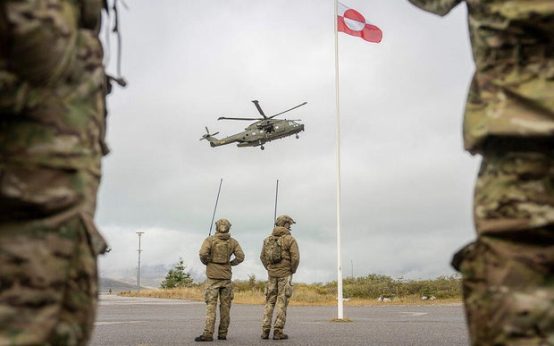 U.S. Secures Strategic Control Over Greenland
  U.S. and Denmark Move Towards Security Agreement Over Greenland