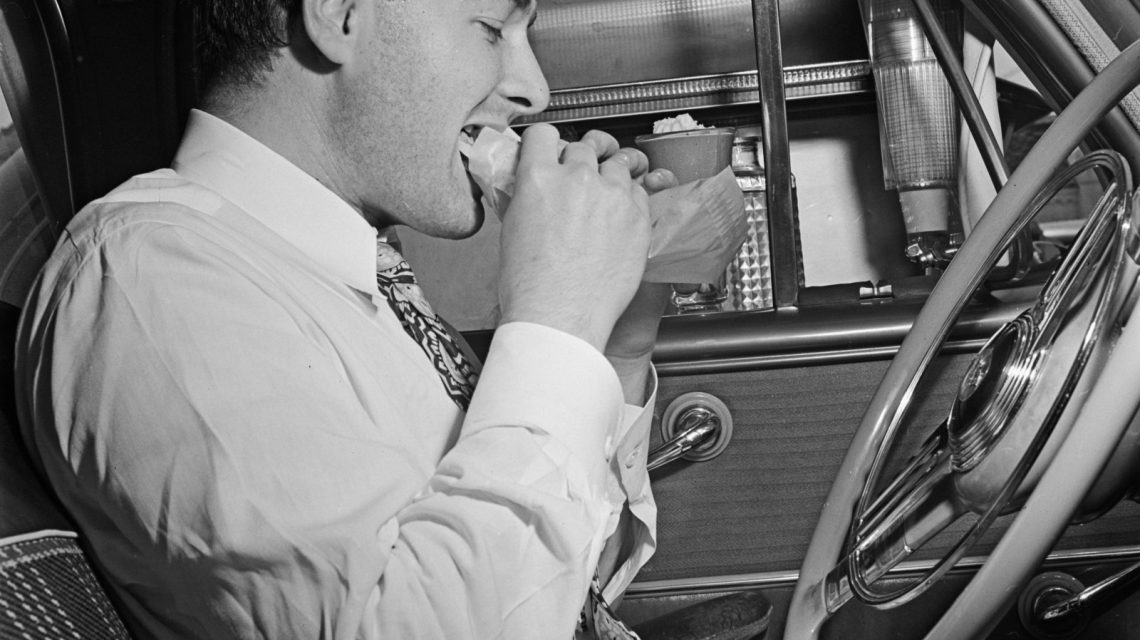
Growing up in Italy, the concept of merenda was deeply rooted in daily life. This specific snack time, between 4 p.m. and 6 p.m., bridged the gap between lunch and dinner. My routine involved enjoying a Kinder Cioccolato with an Estathé after ballet class, while my mother prepared dinner at 7 p.m.—a fixed mealtime in Italy regardless of age.
In contrast, when I relocated to the United States in 2005, the cultural differences were apparent. In America, snacks had no defined time, occurring throughout the day, at any occasion. A survey involving 1,000 full-time American college students aged 18 to 25 revealed that only 24 percent regularly eat three balanced meals. Over half opted to replace meals with snacks or follow unpredictable eating schedules, indicating a significant shift in eating habits.
This shift transcends college life, reflecting broader societal changes. A 2025 survey from the International Food Information Council showed that 62 percent of Americans occasionally or regularly replace meals with snacks or smaller meals, up from 38 percent in 2020. Market research firm Circana noted that 55 percent of U.S. consumers consume three or more snacks daily, often during or instead of meals.
The Hour Was the Point
Traditionally, lunch involved more than food; it implied time set aside from daily obligations. Previously, institutions designated lunch periods, breaks, or hours, allowing people to pause. However, eating now occurs alongside other activities, transforming meals into snacks.
Modern lifestyles reflect this change. Kristi Eaton, a PR agency owner working remotely, described multitasking during meals, reflecting a broader trend. Circana’s data showed half of American meals take less than five minutes to prepare, with 56 percent of lunches also prepared quickly.
A meal once required focus, involving plates, chairs, and usually company. Snacking contrasts sharply, demanding minimal setup, marking food consumption more as a background task.
Eating, But Not Only Eating
Americans aren’t forgetting to eat but are adapting their eating habits to fit busy schedules. A 2025 Bureau of Labor Statistics survey found people 15 and older dedicated about 1.2 hours to eating and drinking as primary activities.
Convenience foods, tailored for fragmented schedules, have transformed. Portable, quick, nutritious, one-handed foods dominate, coinciding with the need for efficient meal replacements. A student survey highlighted protein-rich and healthy snacks as preferences, underscoring their significance.
The role of snacks expanded beyond temporary sustenance, with examples like protein bars substituting full lunches.
Time Is Only Half the Story
Financial pressures significantly influence eating habits. A college survey reported 86 percent of students felt financially strained by living expenses, prompting some to skip meals or reduce food purchases. While not formally measuring food insecurity, these findings highlight economic challenges.
The appeal of snacks over meals lies not only in time convenience but financial adaptability. Ashlie Garcia’s description of meals competing against expenses exemplifies this. Cooking for oneself feels excessive, with larger household portions leading to food wastage.
What We Lose When Everyone Eats Whenever
The decline of structured meals impacts social interactions. Meals traditionally bring people together, creating shared experiences. Circana reported that half of all home meals are now eaten alone, diminishing communal dining’s role.
The change isn’t inherently negative but contributes to fewer shared moments, distancing social connections. For instance, family dinners once provided predictable routines. The absence of such occasions illustrates a shift towards solitary eating habits.
Merenda functioned within this framework, highlighting dinner anticipation and structured eating times. In contrast, American snacks lack definitive boundaries, symbolizing modern life’s expectation for food to seamlessly integrate into daily routines.
Ultimately, evolving eating patterns reveal a larger narrative. The convenience of protein bars resonates with a world that prioritized efficiency, shaping contemporary dining culture.
 Sophie Frere and the Fascination with Lines at Kasama
  A Busy Mom’s Practical Guide to the Super Bagg Diaper Bag
  Levoit Cordless Vacuum: An Affordable and Efficient Cleaning Solution
  Choosing the Best Afghan Blanket
  Colin Kaepernick’s Press Tour Raises Unasked Questions
  Controversial Claims in Charles Spencer’s Book about Princess Diana’s Divorce