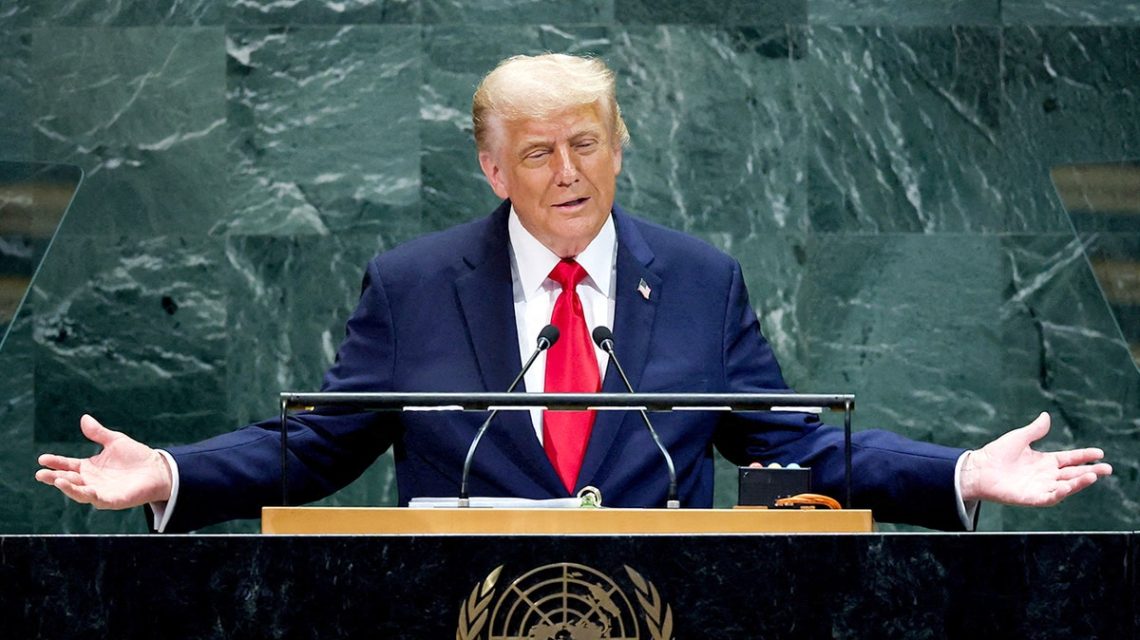
As one of the busiest diplomatic events of the year, the United Nations General Assembly brings over 100 presidents and prime ministers to New York. These leaders will confront a variety of global challenges including ongoing conflicts in the Middle East and Ukraine and economic pressures from disrupted energy markets. The assembly faces questions about its role in addressing an increasingly divided world.
According to U.N. spokesperson Stéphane Dujarric, 73 heads of state, 45 heads of government, 49 ministers, 11 vice presidents, and a crown prince are expected to attend. Dujarric noted the atmosphere at the U.N. headquarters is characterized by high stress with approximately 1,000 bilateral meeting requests and 168 events planned.
India’s Modi is scheduled to meet Iran amidst U.S. warnings of sanctions on Tehran’s trading partners. Meanwhile, the General Debate launches under the theme “Restoring trust, managing transformation: A United Nations that delivers for all.” Countries aim to capture U.S. attention, hoping to strengthen their influence in various areas.
“This is their moment to grab a piece of American mindshare,” said Frank Ahrens, head of BGR Analytics.
The BGR Impact Index ranks countries based on various factors such as economic, cultural, diplomatic, institutional, and geopolitical measures. Japan leads the index, followed by Germany, Canada, the United Kingdom, and South Korea. Social media sentiment plays a significant role, accounting for 20% of the index. Cultural imprint is highest at 24%, with institutional ties, outward orientation, geopolitical nexus, economic size, and lobbying activities contributing to the overall ranking.
Bahrain saw a notable rise of 22 places in the index due to positive online sentiment and increased visibility from events like its Arabian Gulf Cup victory and election to the U.N. Security Council. Conversely, Georgia fell 31 positions due to negative sentiment linked to political unrest and arrests of journalists.
Ahrens remarked, “Countries that make a lot of noise about themselves do get on the radar, but to stay on the radar, you have to have real accomplishments.”
An unusual example of influence comes from a viral social media incident involving a German soccer fan, termed the “Freddy Effect.” His posts about traveling in the U.S. boosted positive sentiment towards Germany by 13%.
Delegations arriving in New York aim to leverage limited opportunities to secure influence, meetings, and media coverage during their brief stay.
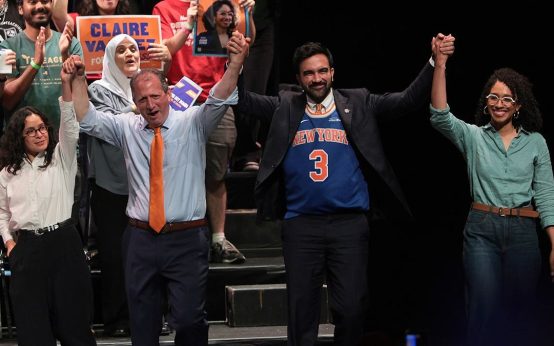 Lara Trump Discusses Democratic Party’s Socialist Influence
  US Embassies Warn Americans After Houthi Missile Attack
 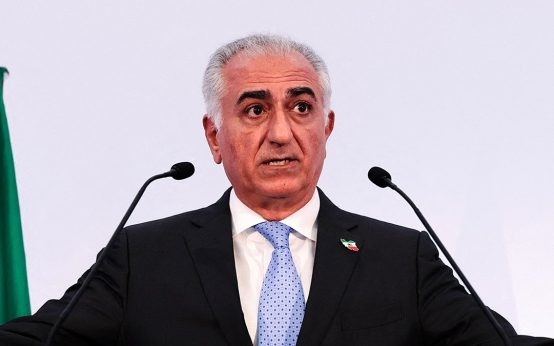 Understanding Iran’s Political Landscape Amid Ongoing Conflict
 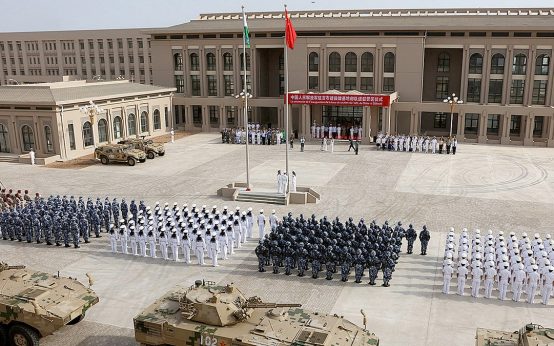 China’s Surveillance Expansion in Djibouti Sparks Concerns
  Trump’s Strategy to Lower Prescription Drug Prices
  Pentagon Investigation Reveals U.S. Responsibility in Deadly Iranian School Strike