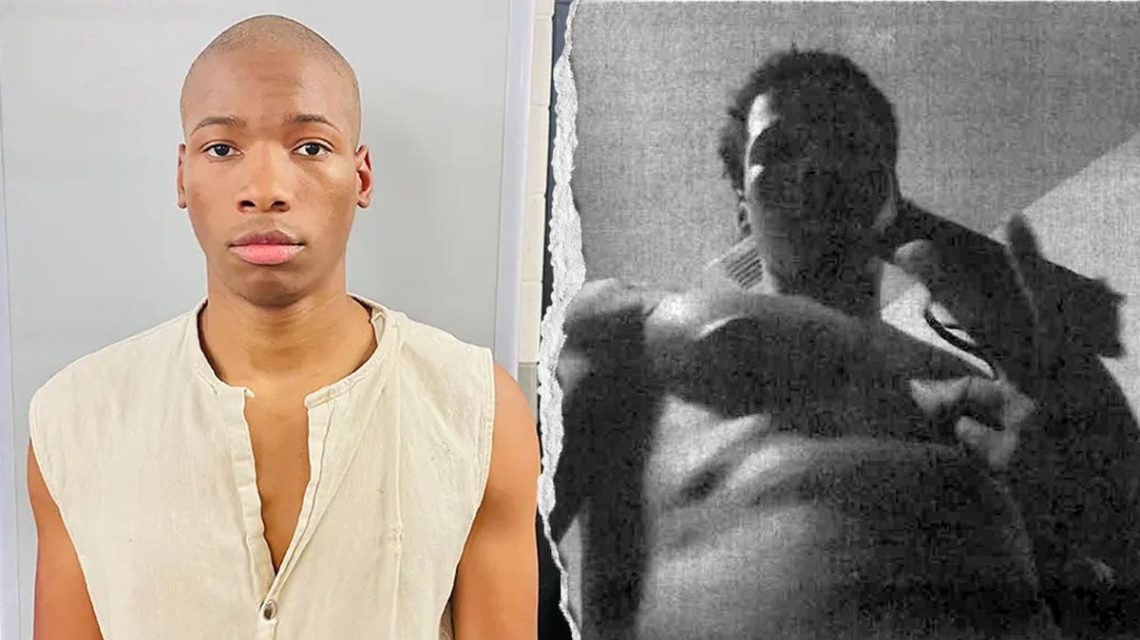
A 75-page court filing related to convicted Texas killer Karmelo Anthony includes alleged threats, gun photos, and violent messages, serving as evidence the prosecutors may have presented during the trial. However, a veteran Texas criminal defense attorney highlights that jurors were not guaranteed to see this evidence.
Pertinent to Anthony’s request for a new trial is an alleged pretrial agreement about character evidence, which he claims influenced his decision not to testify. Prosecutors submitted this filing under Texas Rule of Evidence 404(b) before the trial commenced. This document catalogs numerous alleged acts, including stalking his ex-girlfriend before the murder of 17-year-old Austin Metcalf in April 2025.
The filing describes Anthony posing with firearms, making threats, and discussing fighting. It also lists alleged talks about robberies, buying firearms, selling narcotics, and threats against various individuals, including his ex-girlfriend. The evidence covers a range from Anthony’s school years in Louisiana and includes anecdotal texts like, “When I get mad I see red.” However, judges might not permit every part of this evidence to be seen by jurors.
Tiffany Burks, a defense attorney, clarified that the Rule 404(b) filing acts as a placeholder, allowing the prosecution to potentially introduce relevant evidence if justified later. Although the document contains many allegations, they do not constitute evidence confirmed by a jury.
This submission aligns with the defense’s right to know about possible evidence so they can prepare a rebuttal strategy. While Rule 404(b) restricts using past acts to demonstrate bad character, judges can admit them to explain aspects like intent or first aggression if necessary.
Jurors, hearing testimony from over 20 witnesses and viewing surveillance footage, convicted Anthony of Metcalf’s murder. They sentenced him to 35 years in prison. Yet, whether specific evidence from the filing reached the jury remains reliant on judicial decisions concerning its admissibility.
The inclusion of comprehensive allegations in the filing does not ensure a jury will see every piece. The prosecution decides its relevance, and a judge must approve its use according to evidentiary rules.