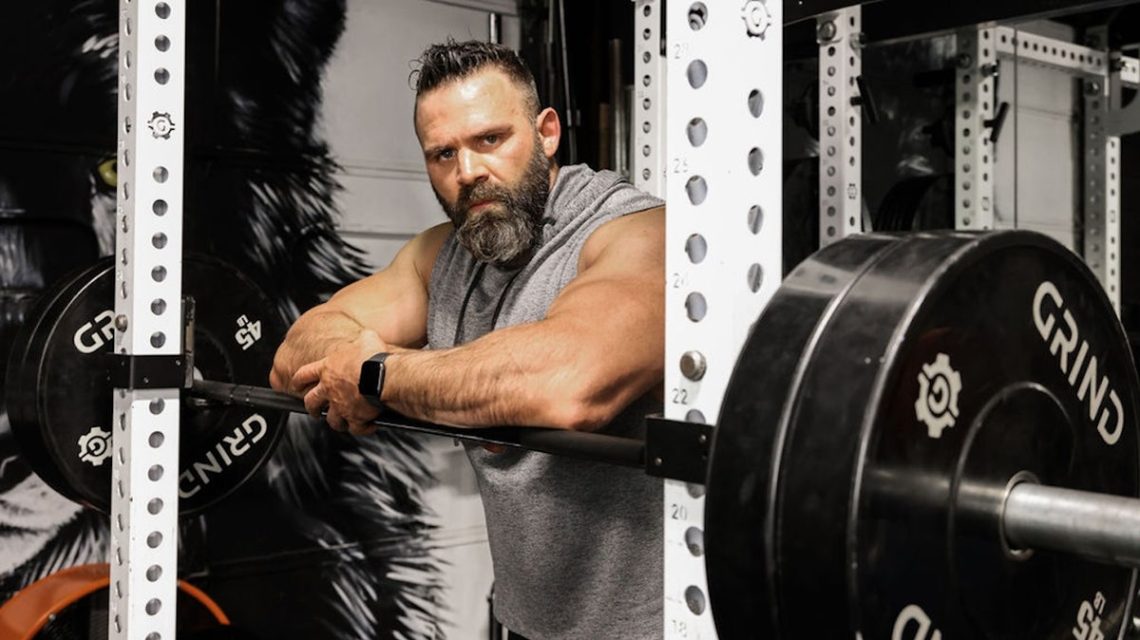
The phase following a workout is crucial, especially as we age. Muscles become less responsive to protein and other muscle-building signals. Effective post-exercise recovery can repair tissue and preserve strength.
Importance of Recovery
Jacob Zemer, a fitness coach in New York, emphasizes recovery with clients aged 35 to 55. His clients focus on longevity rather than bodybuilding. Zemer emphasizes six strategies for adults over 35 to improve recovery:
1. Prioritize Quality Sleep
Zemer advises aiming for seven to nine hours of quality sleep each night. Implement these sleep-supporting steps:
- Avoid eating a few hours before bed to reduce resting heart rate.
- Maintain a consistent bedtime.
- Stop using screens two hours before bed.
- Avoid stressful conversations before sleeping.
- Take a hot shower to raise body temperature, promoting better sleep as it drops afterward.
- Keep bedroom temperature between 60 and 65 degrees.
- Create a dark sleeping environment.
2. Regular Bloodwork
Zemer recommends regular checkups and lab work to identify recovery barriers. He stresses the importance of monitoring hormone levels and bodily functions since they change with age. The U.S. Preventive Services Task Force advises screenings for conditions like high blood pressure, prediabetes, type 2 diabetes, and osteoporosis.
3. Use Warmth for Recovery
Warmth can aid muscle recovery post-exercise. Warm environments increase circulation and nutrient delivery to muscles. A 2025 review indicated that heat treatment improved muscle recovery in nearly half of participants. A hot shower can release heat proteins and enhance gym gains, according to Zemer.
4. Stretch After Workouts
Strength training can shorten muscles, so stretching is necessary. It ensures full mobility and a complete range of motion, which is vital for recovery.
5. Nutrition and Hydration
Consuming adequate protein post-workout aids muscle repair and growth. The International Society of Sports Nutrition suggests 20 to 40 grams of high-quality protein post-training. Recommendations vary based on individual needs. Staying hydrated before exercise is equally crucial, as dehydration can lead to poor workout performance.
6. Allow Time to De-stress
Post-exercise, the body is under stress. Providing it with rest and nutrients aids recovery. High cortisol levels can be managed with a good meal and a brief rest. If recovery takes a full week, the workout may have been too intense.
Understanding Soreness
Soreness is typical post-exercise but should last only a day or so. Prolonged soreness indicates overtraining. The body adapts to training over time, so starting slowly is essential. Zemer suggests reducing intensity if soreness persists beyond two or three days. For instance, if soreness results from six sets, try doing four next time.
Exercise-induced endorphins can mask pain during workouts. However, discomfort felt during exercise might worsen after endorphins subside. Persistent pain can hinder training consistency.
Melissa Rudy is a senior health editor at Fox News Digital.
 Personal Journey in Understanding Neurodegenerative Diseases
  Artist Speaks Out on Rare Condition Impacting Her Career
  Mindfulness: Manage Stress by Embracing the Present
  Missouri’s Abortion Policy: Conflicting Amendments and Voter Decisions
  The Impact of Extended Job Searches on Mental Health
  Philanthropic Shift Towards Supporting Women in Midlife