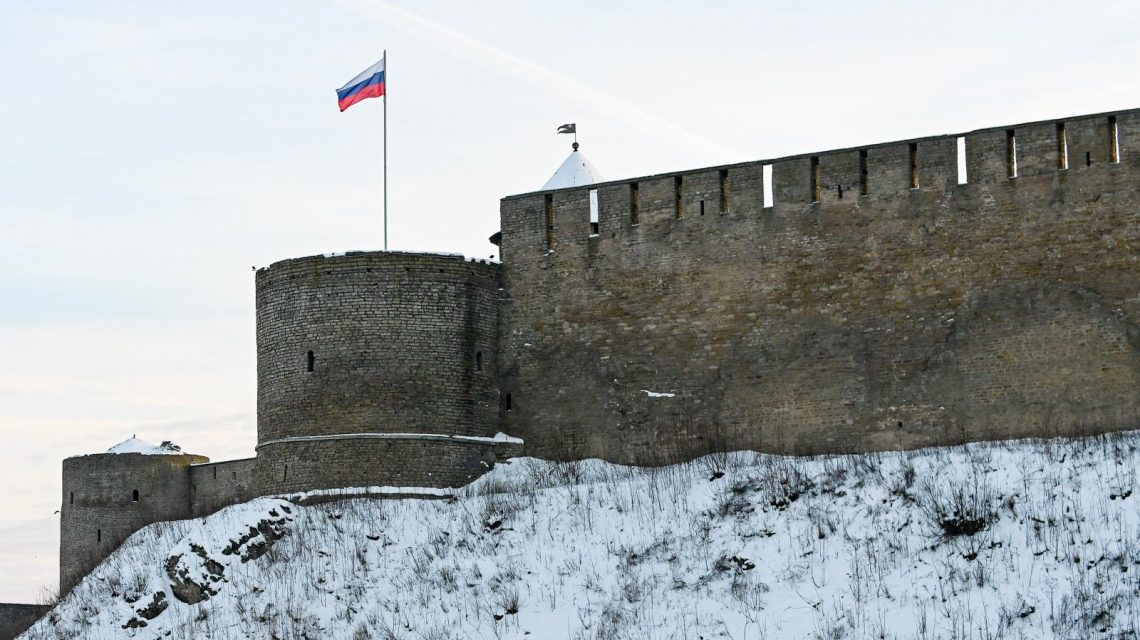
The Institute for the Study of War (ISW) has raised a scenario where Russia might initiate a limited incursion into Estonia to evaluate NATO’s resilience. This possibility arises amid growing tensions between Moscow and Tallinn. Restrictions have been placed by Russia’s FSB intelligence on two Russian districts, Kingisepp and Slantsy, adjacent to Estonia in the Leningrad region. These include limits on nighttime movement and restricted access to parts of the Narva River, shared by both nations.
Estonia’s recent announcement to close its border if Russia undertakes a mass mobilization adds to these tensions, potentially leading to a mass exodus. Concerns among Baltic officials include Russian drone incursions, airspace violations, sabotage, and other hybrid threats. The ISW hints that Narva, a border town with a mainly Russian-speaking community, could be a focal point if Moscow tests NATO’s Article 5, which states an attack against one is an attack against all. Despite these concerns, the think tank notes that a substantial Russian buildup is absent near the Baltic states. An invasion of NATO by Russia seems improbable as Vladimir Putin is engaged in Ukraine. Yet, this scenario would present NATO with complex challenges and decisions.
The ISW outlines a border dispute with Estonia as providing critical insights into Moscow’s perception of the Baltic republic, potentially as a catalyst for conflict with NATO. Prior to any such operation, Moscow might launch propaganda accusing Estonia of oppressing Russian-speaking citizens or supporting Ukraine in attacking Russia.
FPV drones could accumulate within strike range of Narva and nearby Johvi military base. Russia could employ diverse drones, from short-range to long-range, radio-controlled variants, to target NATO locations. Russian agents already in Narva may attempt to seize important buildings and declare a ‘Narva People’s Republic,’ urging Moscow for intervention. This move might not involve a formal invasion unless Tallinn intensifies the crisis. Russian drone strikes on Estonian forces attempting to regain control might be strengthened by Moscow’s tactical drone operations in Narva. This could create a stalemate, as Estonia might struggle to counter a high volume of Russian strike drones.
The Kremlin could push for de-escalation if the NPR’s hold on Narva is acknowledged by Tallinn. Otherwise, it might escalate threats. By claiming protection of Russian citizens, Moscow might deny a direct attack on NATO, creating strategic challenges for the alliance. Estonia could seek NATO’s Article 5 activation or assistance from member states. However, a limited incursion might make some alliance members hesitant, fearing full-scale conflict with Russia. The ISW warns that non-activation of Article 5 could weaken its importance, potentially exploited by Putin. Tensions between the US and Europe over defending NATO territory might delay or limit US involvement. Russian cognitive warfare could amplify these divisions.
The ISW’s hypothesis about Narva draws similarities to ideas in ‘If Russia Wins: A Scenario’ by Carlo Masala, a German political scientist. Masala suggests a disinformation campaign about persecuted Russian speakers could precede actions similar to previous Russian strategies. He foresees divisions within NATO regarding Article 5 and questions American commitment. However, unlike the ISW scenario, Masala projects the event post-Ukraine war, coinciding with a favorable outcome for Moscow.
 Google Fined for Breaching EU Privacy Rules
 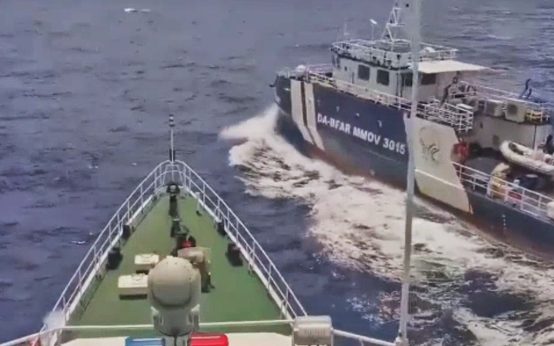 South China Sea Tensions Rise after Collision between Chinese and Philippine Ships
 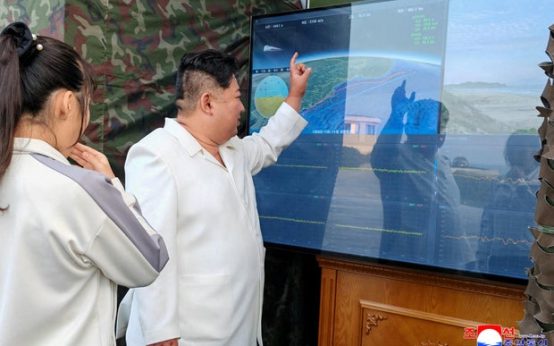 North Korea’s Hypersonic Weapon Test Amid Global Tensions
  Austin Tice: A Search for Answers
 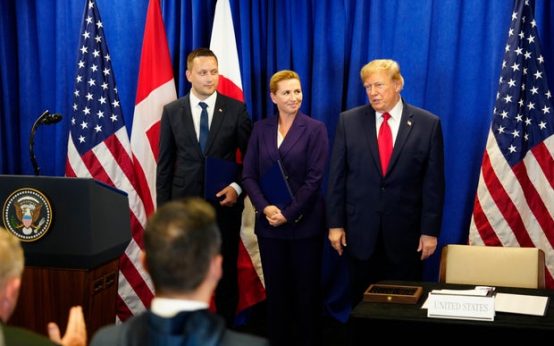 U.S., Denmark, and Greenland Forge New Security Agreement
 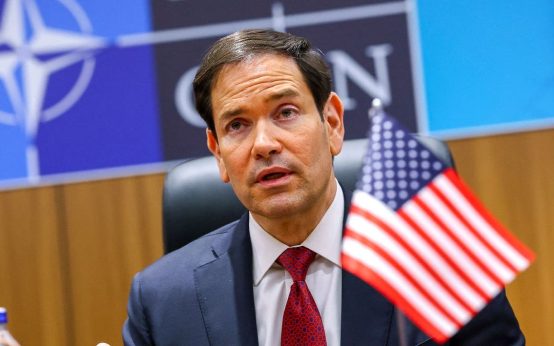 Secretary Rubio Discusses Middle East Conflict and NATO Relations