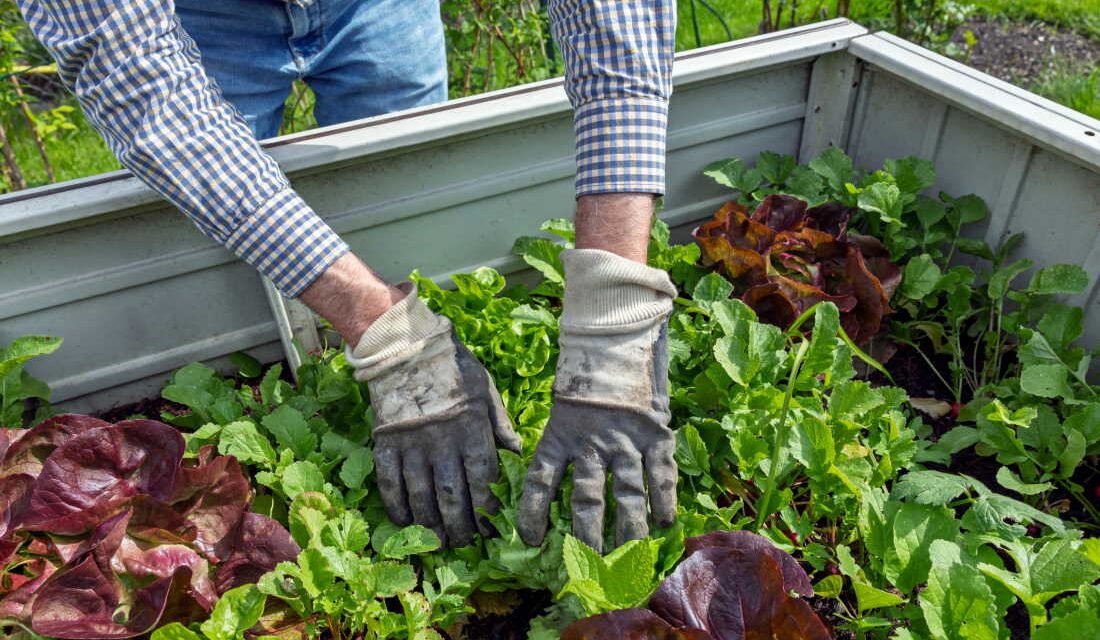
Importance of Washing Produce
Food safety experts emphasize the necessity of washing all produce with water, whether sourced from grocery stores or home gardens. This step is crucial for reducing the risk of foodborne illnesses.
Consumer Responses to Foodborne Illnesses
In response to high foodborne illness rates, more consumers are purchasing produce from farmers markets or growing their own. Currently, 44 million American households cultivate fruits or vegetables, a figure that grows 4% annually.
Safety Comparison: Large Farms vs. Small Farms and Home Gardens
James Rogers from Consumer Reports highlights that safety depends largely on farming practices, not the size of the operation. Large farms adhere to cleanliness standards and can trace produce contamination efficiently through bar codes. However, the mixing of large volumes of produce can lead to widespread outbreaks.
Small growers, often exempt from FDA regulations, show varied safety practices. This leads to different approaches, as seen in home gardeners like Phil Tocco and Dave Whitinger.
Case Study: Phil Tocco’s Approach
“Some backyard gardeners don’t understand the risks – the fecal risks.”
Based in Michigan, Tocco is a food-safety expert who maintains a clean garden environment to mitigate risks of pathogens such as salmonella and E. coli. Tocco avoids using rainwater for irrigation due to potential bacterial contamination and sanitizes tools and hands during harvest.
Although washing produce with water can remove approximately 90% of pathogens, Tocco uses hydroxyacetic acid for more thorough cleaning.
Case Study: Dave Whitinger’s Method
“I told my wife to stop buying lettuce from the store.”
Whitinger, based in Texas, shares Tocco’s concerns but chooses to grow lettuce amid concerns about large-scale farm contamination. Trusting his own cultivation and fertilizer methods, he eats produce straight from his garden, unwashed.
His approach stems from confidence in his garden’s cleanliness, though he acknowledges microbes can’t be seen with the naked eye.
General Recommendations for Consumers
Experts, including Rogers, recommend washing all produce with water to minimize contamination risks. Good kitchen hygiene, such as keeping raw meats separate and maintaining clean surfaces, is crucial.
Additionally, cooking food to appropriate temperatures is advised to prevent foodborne illnesses.
 The Complexity and Prevention of Suicide
  A Journey Through Cancer: Reflections on Diagnosis and Metaphor
  Impact of Sleep Types on Disease Risk
  The War on Poverty: A Lesson on Intentions and Outcomes
  Florida Reports First Dengue Fever Death as Outbreak Expands
  Florida Man Claims ‘Lion Diet’ Transformed Health and Life