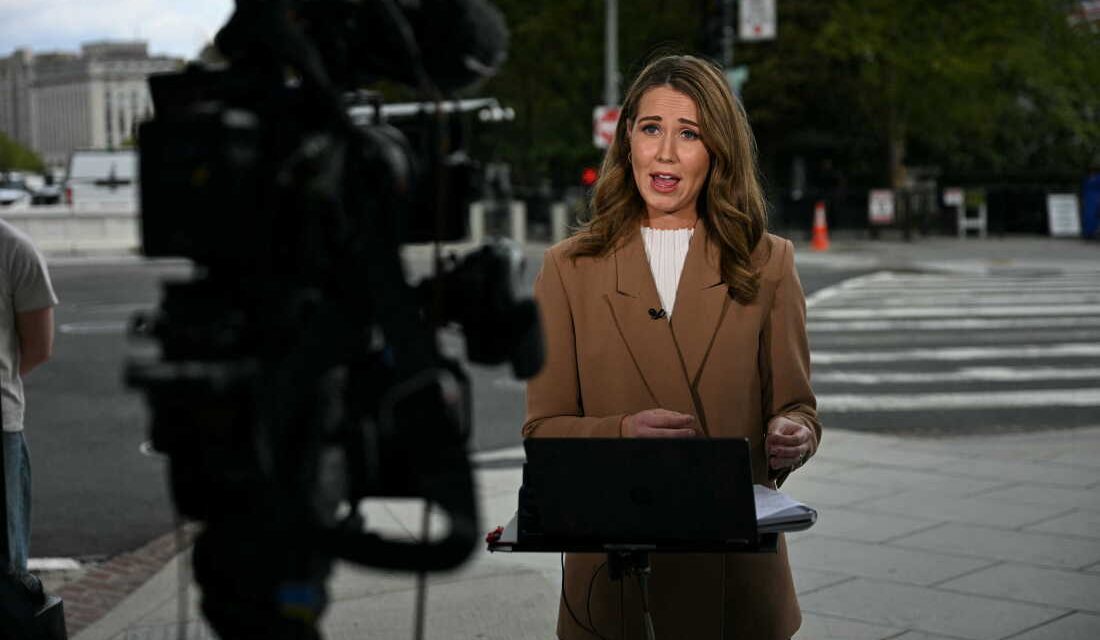
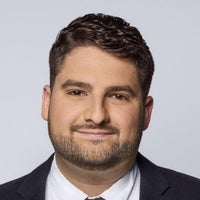
On September 19, 2026, CNN reporter Julia Benbrook delivered a live report near the White House. The following day, CNN, MS NOW, and Politico decided to jointly sue the Trump administration. The lawsuit claims the administration violated their First Amendment rights by prohibiting their reporters from accessing the White House, alleging unfair coverage.
The lawsuit, expected to be filed when federal courts open on Monday morning, states that the ban is a direct attack on the First Amendment and a blatant breach of constitutional principles. It emphasizes the media’s right not to face federal penalties due to their news coverage. The lawsuit also addresses the Fifth Amendment, highlighting the lack of due process in the administration’s decision, which did not allow for an appeal or warning.
The White House has yet to comment on NPR’s inquiries regarding the situation. Theodore J. Boutrous, a prominent First Amendment lawyer from Gibson Dunn, is leading the case. He suggests that existing legal precedents strongly favor the news organizations. He references a past case where a federal judge ruled against a White House executive order that aimed to cut federal funds for NPR and other public media outlets. Despite this ruling, Congress, led by Republicans, removed all public media funding following Trump’s appeal.
Throughout his presidency, Trump faced multiple legal setbacks in efforts to limit press freedom. These include the attempt to revoke press credentials for Jim Acosta, a CNN correspondent. Another case, involving the Associated Press, challenges the White House’s attempt to enforce a nomenclature change for the Gulf of Mexico.
Trump expressed his discontent with CNN, MS NOW, and Politico via Truth Social, accusing them of persistently publishing falsehoods against him and the administration. He announced his intention to extend similar actions to other media outlets, stating, “Media outlets shouldn’t be able to constantly write or report FICTION and LIES when they’re covering the President of the United States, the Trump Administration, or the United States of America.”
During an exchange with reporters, Trump clarified that the decision was not based on specific reports, but on what he perceives as two years of biased and negative coverage. He stated, “There’s something wrong with a country that can allow people to write purposefully negative things. Now, if they want to write them, that’s fine, but I don’t have to let them into my — into the people’s house.”
Since the weekend, journalists from the affected media organizations have been denied access to the White House, despite holding permanent press passes. The lawsuit argues that this ban significantly reduces their capacity to collect critical news from the Executive Branch, a location where essential newsworthy events occur daily. The ban reportedly impairs the organizations’ ability to publish stories, impacting their speech freedoms as long as it is in place.
The story was reported by NPR Media Correspondent David Folkenflik and edited by NPR Acting Chief Business Editor Emily Kopp. In line with NPR’s reporting protocol, no corporate official or executive reviewed this story before publication.
 The War on Poverty: A Lesson on Intentions and Outcomes
  Universities Should Reject Political Influence on Research Funding
 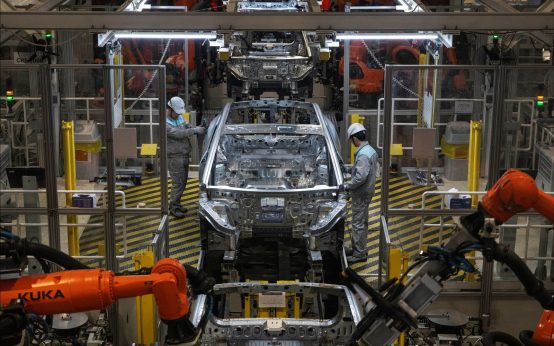 Trump’s Approach to China: Trade Dynamics and Challenges
  Media Outlets Sue After White House Ban
  American Public Opinion on Press Freedom
  Media Lawsuit Against Trump Administration for White House Ban