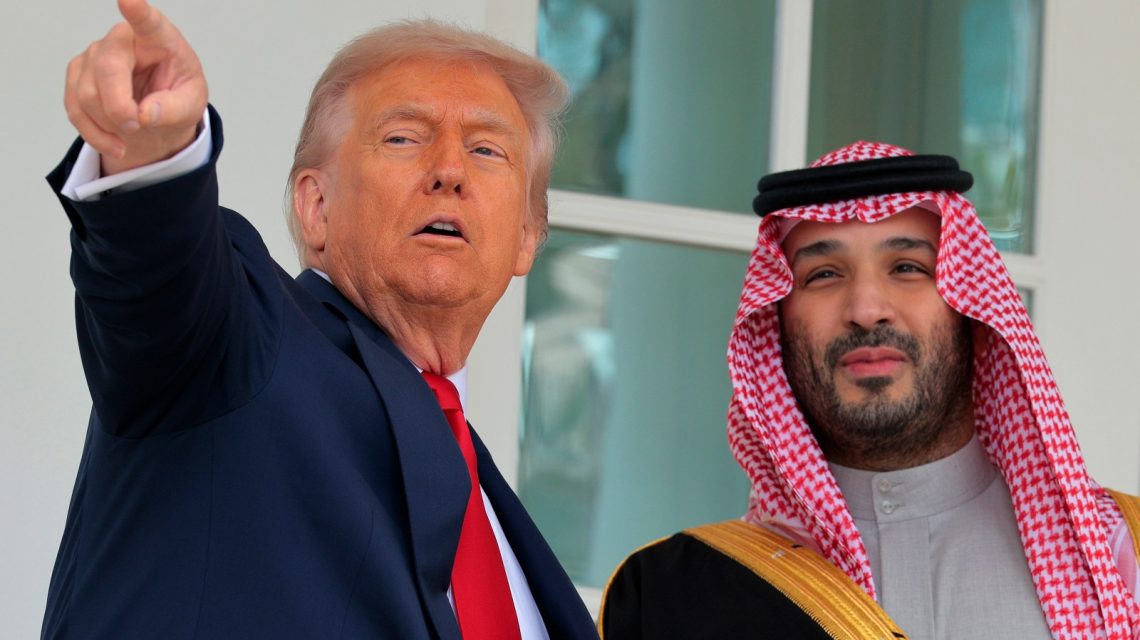
The White House has approved the sale of advanced F-35 fighter jets to Saudi Arabia. This decision represents President Donald Trump’s strategy to transfer Middle East security responsibilities to local partners. The deal still requires congressional approval and the jets will not be delivered for several years, limiting their immediate impact on fluctuating oil and gas prices due to regional conflicts involving the U.S. and its allies against the Iran-led Axis of Resistance.
Israeli officials are concerned about Saudi Arabia acquiring F-35s without diplomatic normalization, fearing it could undermine Israel’s aerial superiority. Some U.S. legislators are also wary that the technology could be accessed by foreign powers like China, which has strong ties with Saudi Arabia.
According to Saad Abdullah Al Hammad, a former Saudi diplomat, the approval marks a significant change in traditional security alliances. This comes at a time when Washington is reducing direct military support to Riyadh in the conflict with the Houthi movement, signaling a shift towards more localized security strategies and indirectly boosting U.S. defense sales.
Saudi Arabia’s Evolving Independence
Since its founding in 1932, Saudi Arabia has largely avoided colonial influence, maintaining close security ties with the U.S., especially as a leading oil producer. Crown Prince Mohammed bin Salman is pursuing economic diversification with Vision 2030, aiming to reduce reliance on energy sales and foster stronger security alliances with countries like China, Russia, Pakistan, and Turkey.
This shift aligns with Trump’s goal to reduce U.S. direct military involvement in favor of empowering regional partners. Al Hammad notes this approach is crucial for Saudi Arabia’s quest for more autonomous decision-making in the face of fluctuating U.S. political landscapes.
The F-35 jets provide Saudi Arabia with enhanced stealth and strike capabilities, vital for countering threats from Ansar Allah and other factions. The recent alleged downing of a Saudi F-15 in Yemen highlights the need for such advanced technology. Al Hammad states these jets are integral for deterring the Iranian axis and represent a challenge to Israel’s military dominance in the region.
Implications for Israel
Israel views the F-35 sale to Saudi Arabia as a direct challenge to its military superiority. Israel has operated F-35s since 2010, using them in multiple regional conflicts. The sale raises concerns about maintaining Israel’s qualitative military edge, a sensitive issue discussed repeatedly between Israeli and U.S. officials.
While Israeli Prime Minister Benjamin Netanyahu has shown conditional support for a Saudi F-35 acquisition contingent on diplomatic ties, the White House has not secured such normalization. Saudi Arabia maintains that its focus on Palestinian statehood is a priority pre-condition for further diplomatic engagement with Israel.
Netanyahu’s discussions with Saudi and Turkish leaders, and tensions over Turkey’s purchase of Russian systems, further complicate regional dynamics and alliances.
Energy and Diplomacy Challenges
The move to sell F-35s is seen as part of Trump’s broader strategy to shift regional security duties. Former Israeli Ambassador to the U.S., Michael Oren, warns that this could push Saudi Arabia towards compromise with Iran rather than confrontation. Ansar Allah is prepared for conflict, complicating Saudi Arabia’s security landscape and U.S. fuel pricing, which is sensitive to ongoing regional tensions.
Former U.S. official Annelle Sheline suggests that negotiations with Yemen could be more effective than military escalation. Prolonged conflicts in Yemen and similar situations can mirror the costly and complex nature of the Iraq and Afghanistan wars.
Rising U.S. fuel prices, exacerbated by refinery disruptions, pose political challenges for Trump ahead of elections. Amy Myers Jaffe of New York University notes that damage to refineries impacts prices, and solutions are not imminent.
Al Hammad affirms that Saudi Arabia prefers de-escalation and diplomatic solutions. The Kingdom’s focus on development and regional stability aligns with its broader goals, emphasizing the need for a calm, investment-friendly environment rather than extensive military engagements.
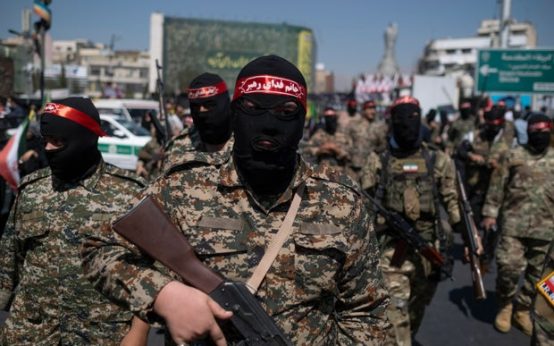 Tensions Escalate in Iran Conflict as Global Leaders Weigh Options
  Inside the Secret Deals Powering the President’s Push to Deport Migrants to Countries Not Their Own
  Navigating the Challenges of Third-Country Deportations
  Midair Altercation on Bangladesh to London Flight
 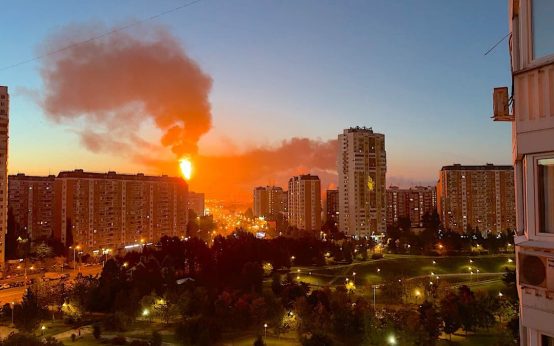 Ukraine Missile and Drone Barrage Hits Russia Amidst Elections
  U.S. Strategic Goals Remain Unmet Amid Prolonged Conflict