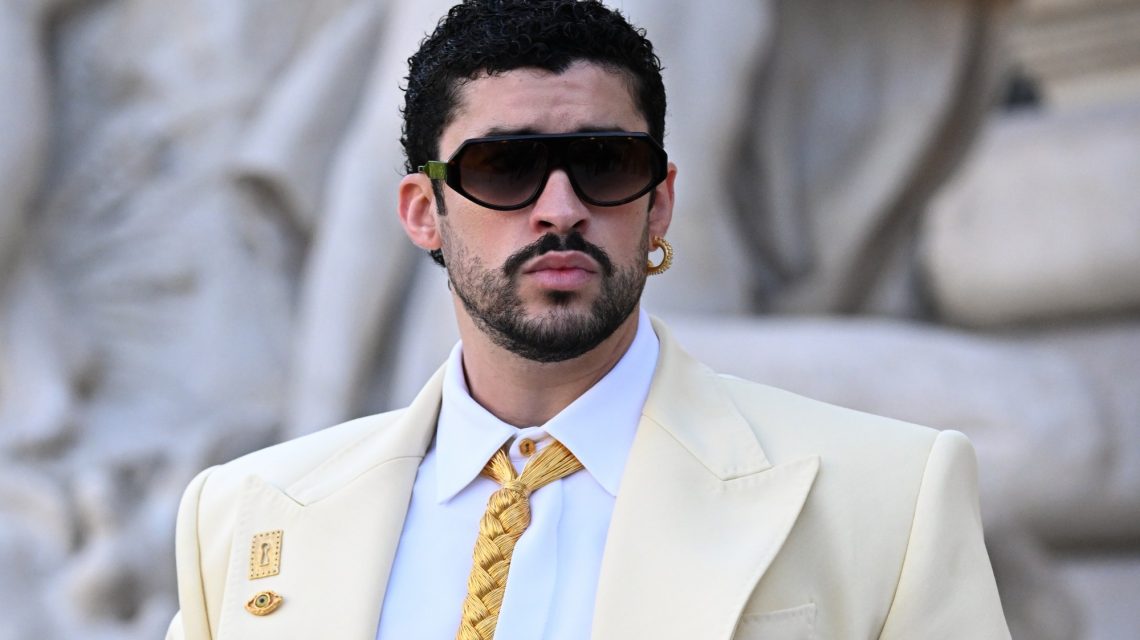
Bad Bunny, a prominent figure in the music industry, attended the Schiaparelli Haute Couture Fall/Winter 2026-2027 Women’s collection in Paris on July 6, 2026. Recently, Bad Bunny discovered an AI-generated song, “Demo 5: Nostalgia,” featuring a simulated version of his voice, along with fake verses from Daddy Yankee and Justin Bieber. This incident has sparked concern among Latin artists about the implications of AI technology.
Concerns of Unauthorized AI Use
The scale of concern is significant. An investigation revealed that AI training datasets include approximately 21.2 million tracks, encompassing Bad Bunny’s catalog, ingested without consent. Universal Music Group and Sony Music are pursuing legal action against the AI platform Suno, identifying numerous unauthorized recordings.
Artificial intelligence has infiltrated music catalogs extensively. Deezer, a streaming service, reported nearly half of its daily uploads are AI-generated, posing competition to human artists. Latin music, being the most streamed genre globally, faces substantial challenges.
Economic Implications for Latin Music
Latin music’s economic impact is notable. In 2025, U.S. revenue exceeded $1 billion, marking consistent growth. However, a study cautions that music creators might lose up to one-quarter of their income due to generative AI by 2028, amounting to 10 billion euros.
Historically, Latin music was undervalued, with Spanish-language records treated as niche despite surpassing English ones. AI technology risks replicating this pattern, potentially leaving artists without contracts entirely.
Legislative and Industry Responses
A bipartisan coalition in Congress is reconsidering the NO FAKES Act. This legislation offers federal rights to individuals to control AI replicas of their voice and likeness. Additionally, Suno has launched models through licensed partnerships with Warner Music Group and BMG, ensuring compensation for artists.
Industry protection relies on clear contracts addressing AI training, comprehensive metadata, and collective efforts. Latin artists have previously organized for equitable streaming economics, indicating potential for similar initiatives surrounding AI.
Global Considerations and Heritage Preservation
Latin music’s global reach means that AI models trained in one country can impact voices internationally. Therefore, American laws, including the NO FAKES Act, offer partial protection.
New artists must recognize the possibility of their recordings training AI models. Legal frameworks and contracts, rather than overlooked terms-of-service agreements, should govern future AI usage.
Celebrating Latin Music During Heritage Month
National Hispanic Heritage Month, celebrated in September and October, highlights Latin music’s achievements. Yet, without protective measures, such celebration is hollow.
The communities behind influential genres like reggaetón, salsa, bachata, and Latin trap deserve ownership of their voices against AI imitation. Heritage entails preserving what is invaluable.
José Valentino Ruiz, an associate professor at the University of Florida, emphasizes the importance of compensating those who taught AI to sing in Spanish during Hispanic Heritage Month.
 Frankie Muniz Reflects on Personal Challenges Amid Divorce
 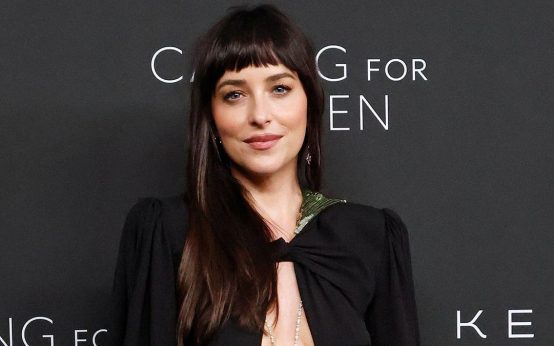 Dakota Johnson Reflects on Career and Future Plans
 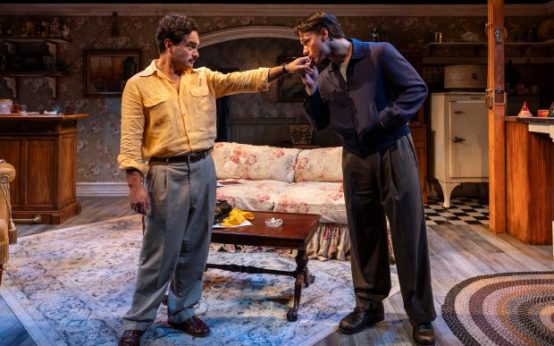 Johnny Galecki as Tennessee Williams in “Kowalski”
  Kevin Costner Sparks New Romance Rumors
 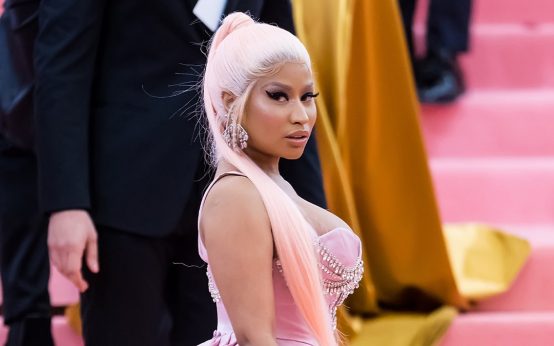 Nicki Minaj Discusses Career Advice and Support for Trump
  Christine Taylor Reflects on Her Hollywood Journey and Financial Challenges