
Introduction
College sports face significant challenges. The American system that promotes athletic competition among college student-athletes is under threat from numerous lawsuits against NCAA rules. These legal actions could revolutionize a system that has successfully operated for over a century. To address these challenges, Congress should consider enacting the bipartisan Protect College Sports Act. This act aims to preserve the commercial-educational framework in college sports, which is distinct from professional sports.
Professional vs. Collegiate Models
Professional sports leagues like the NBA and NFL operate with privately owned for-profit clubs. These clubs employ unionized players to produce top-tier sports competition. Conversely, the NCAA comprises 1,075 nonprofit colleges and universities, offering varying levels of athletic competition. With over 90 men’s, women’s, and coed national championships, NCAA members support 24 sports across three divisions.
Student-Athlete Structure
NCAA athletes are mainly full-time students meeting academic standards. In the 2024-25 academic year, NCAA schools fielded about 20,000 teams, creating over 554,000 participation opportunities. Historically, Division I men’s basketball and FBS football are the primary revenue-generating sports, subsidizing other sports including women’s and Olympic sports. Only about 3% of NCAA athletic departments, mainly in the Division I FBS Power Four, generate surplus revenues.
The Protect College Sports Act Framework
To support the current model, the Protect College Sports Act defines eligibility standards for student-athletes. It limits participation to those under 24, with academic requirements. The Act allows one school transfer without loss of eligibility. It also guards educational aspects by restricting athletic department interference in academic choices and protects scholarships from being reduced due to performance or injury.
Compensation and Antitrust Provisions
The Act proposes a uniform approach allowing athletes to earn from their Name, Image, and Likeness (NIL). It preempts numerous conflicting state laws on student-athlete compensation. Disclosure of compensation over $600 is mandatory, and NIL agreements must reflect fair market value. It also allows annual individualized payments capped at $20.5 million per school in 2025, with gradual increases up to $32.9 million in 2034-35.
Impact on Competitive Balance and Governance
This legislation promotes competitive fairness by establishing uniform athlete eligibility and compensation. It supports integrity by enforcing rules against gambling and doping. Additionally, it encourages governance consistent with educational and national public interests.
Conclusion
Conflicting state laws and judicial decisions threaten the stability of college athletics. Congress has the opportunity to stabilize intercollegiate sports through the Protect College Sports Act, ensuring a balanced and fair college sports environment.
Matthew Mitten is a professor of law and senior advisor at Marquette University Law School’s National Sports Law Institute.
 Buffalo Bills Tailgating and Highmark Stadium Experience
 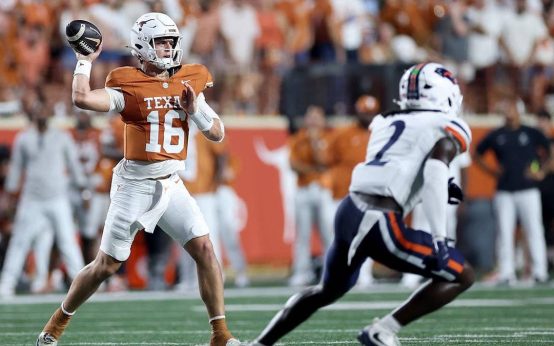 Texas Longhorns Triumph Over UTSA with Defensive Strength and Key Plays
 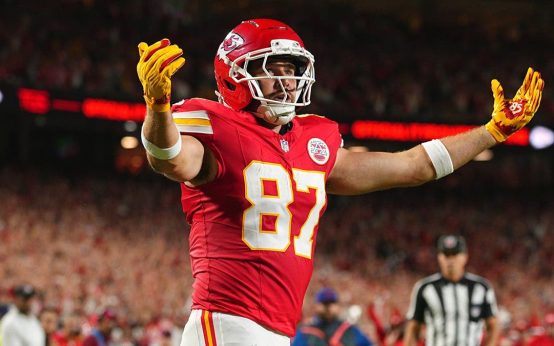 Travis Kelce Sparks Excitement at Arrowhead Stadium
 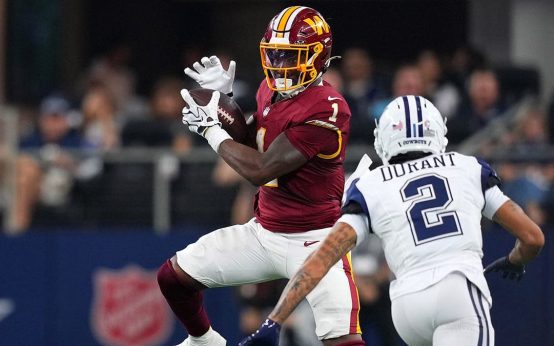 Dallas Cowboys Defeat Washington Commanders Amid Player Injury
  Chicago Cubs’ Alex Bregman Suffers Facial Injury from Foul Ball
 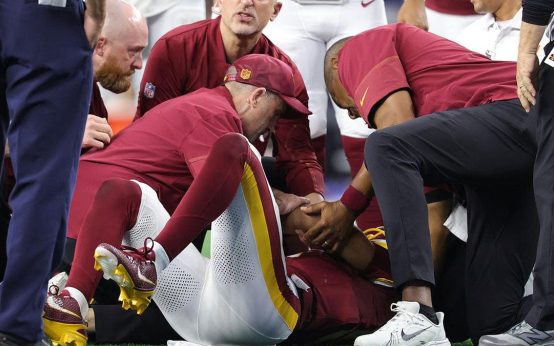 Washington Commanders Face Major Setback as QB Jayden Daniels Suffers Elbow Injury