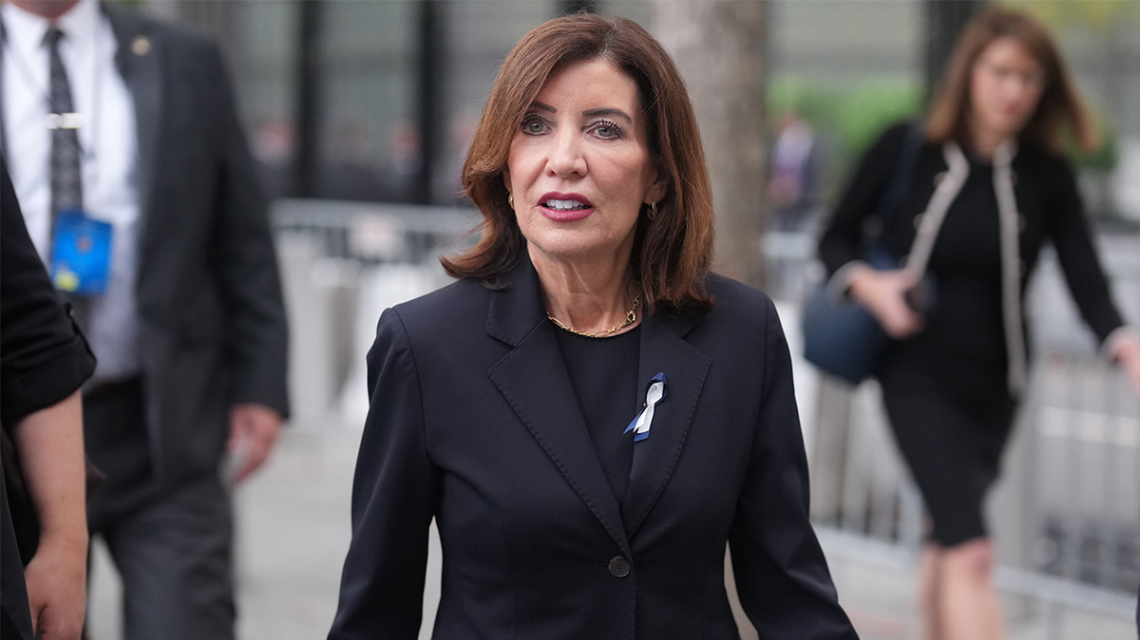
New York Governor Kathy Hochul faces criticism after signing a law aimed at curbing deceptive communications associated with unions. The law, effective immediately, grants Attorney General Letitia James the power to investigate and penalize groups engaged in misleading practices that appear union-endorsed.
This legislation empowers the attorney general to investigate such alleged violations, issue subpoenas, and potentially halt communications deemed as deceptive. Violations can result in fines reaching up to $1,000, applicable even to out-of-state organizations. Supporters of the law argue it protects against fraudulent representation of union affiliations.
The Freedom Foundation, a conservative non-profit opposing public-sector unions, argues the law targets their efforts by enabling government-initiated investigations and potential fines against their communications. CEO Aaron Withe labeled the law as a “hit job” on free speech. He claims the law exists to deter public employees from realizing they can opt out of paying union dues, impacting union membership negatively. He also pointed out the 2018 Supreme Court case Janus v. AFSCME, which supports the right to refrain from paying union dues related to collective bargaining.
New York State’s AFL-CIO President, Mario Cilento, endorsed the law, stating it holds accountable those fraudulently claiming union representation. Governor Hochul stated her commitment to prioritizing worker rights, framing the law as a step to reinforce labor protections.
Despite its intent, the law has sparked a debate about the balance between controlling deceptive practices and preserving free speech rights. Critics like Ryan Walters, connected with the Freedom Foundation’s education arm, claim New York’s initiative reflects censorship targeting political adversaries supporting unions.
This controversy mirrors a similar situation in Oregon, with the Freedom Foundation contesting that law in federal appeals court. The ongoing debate raises concerns about the broader implications for free speech and union influence, especially in blue states.
 Trump’s Media Ban Affects Event Coverage
 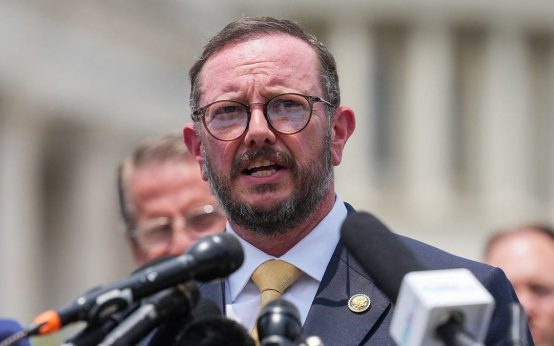 A Critical Perspective on National Spending and Healthcare from Representative Eric Burlison
 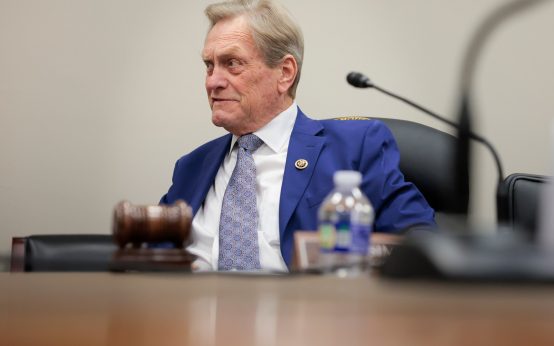 House Republican Criticizes Funding for Trump’s Arch Proposal
 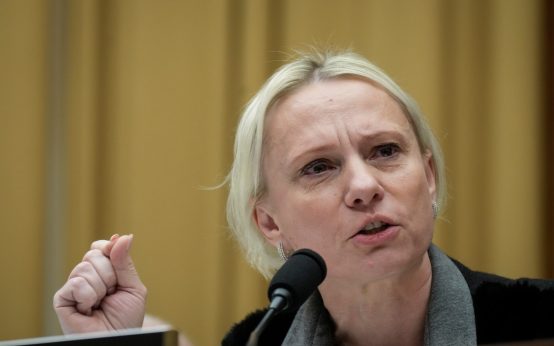 House Bill Proposes Dual Benefits for Combat-Injured Veterans
 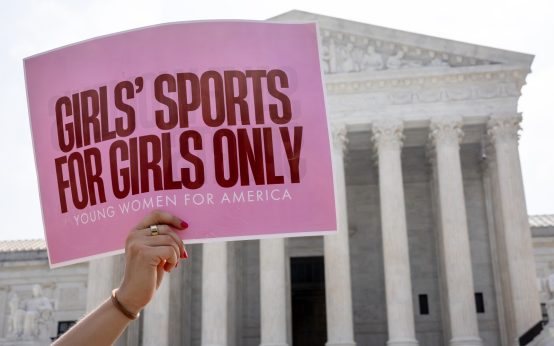 Democrats Navigate Transgender Athlete Debate Amid Midterm Elections
 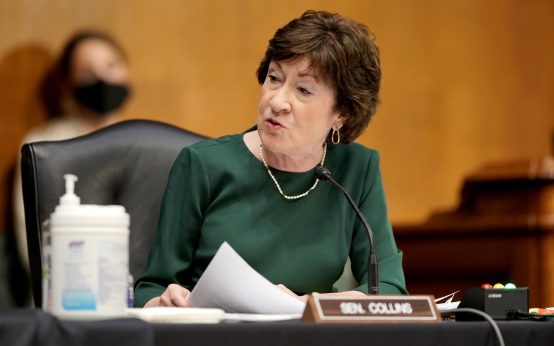 Senator Collins Warns Against Politicization of NIH Grant Funding