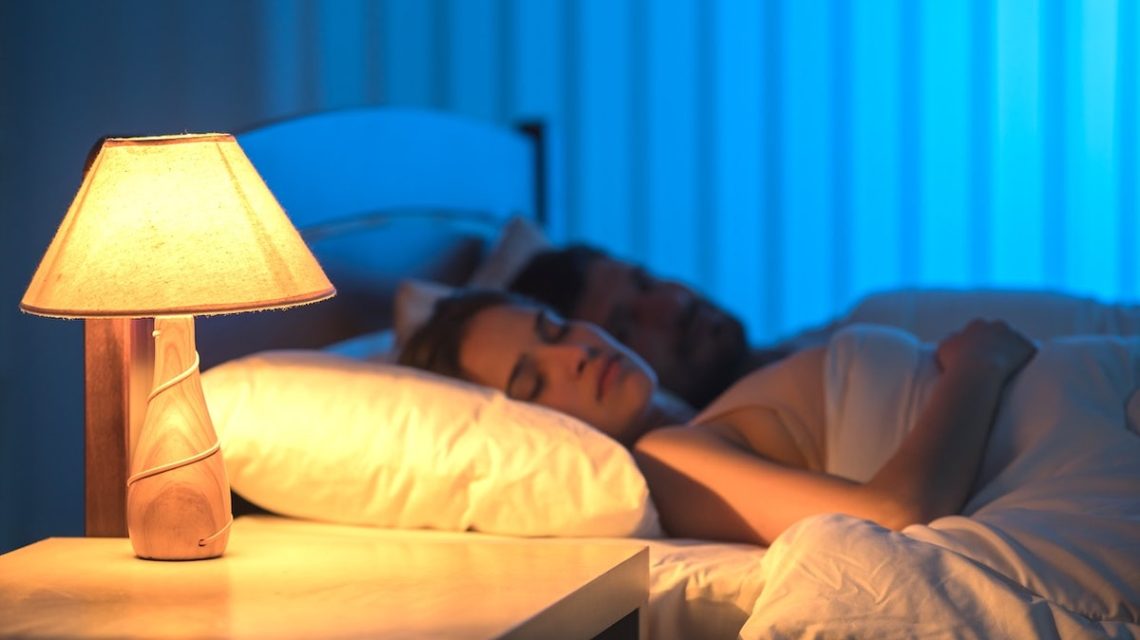
A recent study conducted by Tulane University highlights concerns about the impact of nighttime light exposure on cardiovascular health. The research associates exposure to more than 3 lux of light—similar to moonlight—with an increased risk of heart conditions including heart failure, irregular heart rhythm, heart attack, stroke, and cardiovascular-related death.
Chelsie Rohrscheib, Ph.D., a neuroscientist and sleep expert, explains that sleep is significantly influenced by the circadian rhythm, an internal clock regulating sleep and wakefulness. Light exposure can suppress melatonin production, which affects sleep timing. Inadequate melatonin due to light pollution may decrease sleep quality.
“Consistent light exposure will reduce overall sleep quality,” Rohrscheib warns.
A 2022 study from Northwestern Medicine found even moderate light exposure during sleep can disrupt glucose regulation and increase heart rate, indicating potential risks for chronic health conditions such as hypertension, type 2 diabetes, and neurodegenerative diseases.
Researcher Ashley Curtis, Ph.D., stresses the link between poor sleep and increased mortality risk, noting that disrupted sleep affects the gut microbiome and long-term health.
Light exposure concerns vary among individuals, with groups like shift workers, children, older adults, and those with insomnia or mood disorders being particularly susceptible. Alex Dimitriu, M.D., notes that older adults might be less sensitive to light’s suppressive effects on melatonin, though they often experience existing sleep disruptions.
Notably, blue-wavelength light from screens is most disruptive for melatonin suppression. Dimitriu suggests using dim, warm, red-toned lights to minimize circadian impact.
Practical measures for improving sleep quality include:
- Turning off bright lights one to two hours before bed.
- Positioning night lights close to the floor.
- Using dimmer, warmer lights like orange, amber, or red.
- Ceasing screen use at least one hour before bedtime.
- Layering window treatments to block harsh outside lights.
- Considering the use of a sleep mask.
Melissa Rudy is a senior health editor with the lifestyle team at Fox News Digital.
 Wedding Photographer’s Unexpected Amazon Purchase
  Unsupervised Play: The Benefits Over Commercialized Youth Sports
  Friendly’s: From Ice-Cream Shop to Iconic Chain Facing Modern Challenges
  Florida Man Claims ‘Lion Diet’ Transformed Health and Life
  Navigating Parenting Challenges with Teenagers
  Concerns Over Food Safety and Its Impact on Families