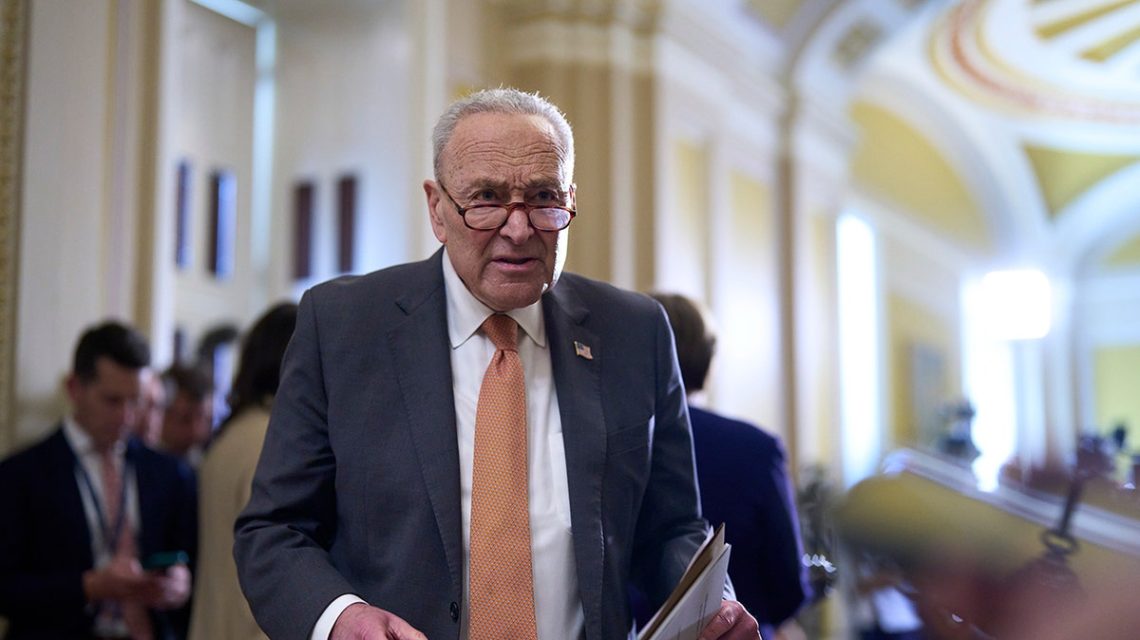
The upcoming 2026 midterm elections show promising prospects for Democrats aiming to retake the Senate. Current polling data from RealClearPolitics indicates Democratic candidates lead in several key states, such as North Carolina, Minnesota, Texas, Ohio, Michigan, Maine, and Alaska. These states represent vital opportunities for Democrats to gain ground.
President Trump’s approval ratings, currently below 40%, may negatively impact Republican candidates nationwide. This presents a challenge for the GOP, which needs to hold on to its seats while Democrats require four more seats under the assumption that there will be no GOP pickups in states like Michigan, Minnesota, or Georgia.
Despite existing polling, the election day is still two months away. Things can change dramatically in this timeframe. Candidates face vulnerabilities that could influence the outcomes. Factors such as the potential shifts in voter interest post-summer and external factors affecting candidate images play significant roles.
Candidate quality remains crucial. Campaign success often hinges not only on opposing administrations but also on attracting moderate and swing voters. The rise of candidates associated with the Democratic Socialists of America provides Republicans leverage to paint Democrats as extreme, a tactic that has seen effective use in previous campaigns.
Swing states such as Texas, Michigan, and Maine are especially critical. The candidates in these races, namely James Talarico, Abdul El-Sayed, and Troy Jackson, have progressive positions that could alienate moderate voters. Issues ranging from past controversial support to foreign policy stances present obstacles.
Mary Peltola’s moderate stance in Alaska isn’t immune either, with Republicans attempting to associate her with progressive extremes. This strategy underscores the GOP’s intention to use local issues like energy sector plans to sway votes toward their favor.
The Democrats’ task is not without its challenges. Apart from securing 51 seats, Democratic strategies are also influenced by the existence of Vice President JD Vance’s tiebreaking vote and rumors around Sen. John Fetterman’s political alliances.
Financial disparities further complicate Democratic efforts. Republican entities possess substantially higher financial resources, with the Republican National Committee reporting $128.5 million in cash compared to the DNC’s $16.3 million. Additionally, Republican committees and affiliated super PACs have accumulated $657 million, much more than their Democratic counterparts.
While Democrats have a substantial opportunity to reclaim the Senate, the situation remains uncertain. Factors like minor polling leads, candidate quality concerns, DSA’s influence, and Republican financial advantages contribute to ongoing challenges.
Democrats need to not just sustain momentum but also confront these hurdles effectively to enact a Senate switch. As events evolve and campaign dynamics fluctuate, maintaining a strategic approach is pivotal.
 The Impact of Arts and Closure on Democracy
 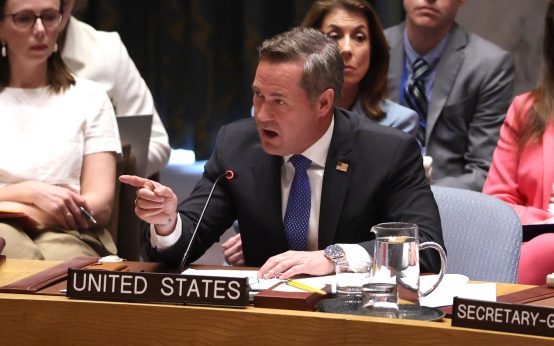 U.S. Ambassador Comments on Iran War Duration Amid Political Concerns
 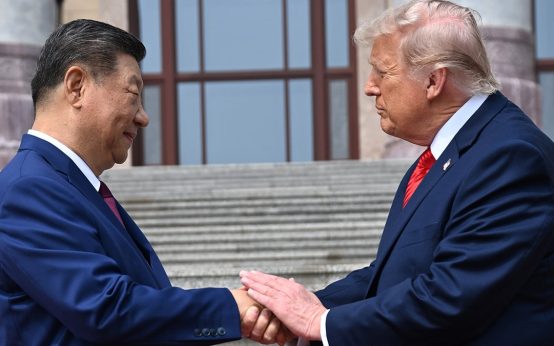 US-China Relations Under Scrutiny: Expert Warns of Escalating Tensions
  No Timeline for End of Iran Conflict
  German Chancellor Merz Vows to Pursue Reforms Despite Election Setbacks
  The Technology Rivalry: Trump’s Meeting with Xi and the AI Ecosystem Clash