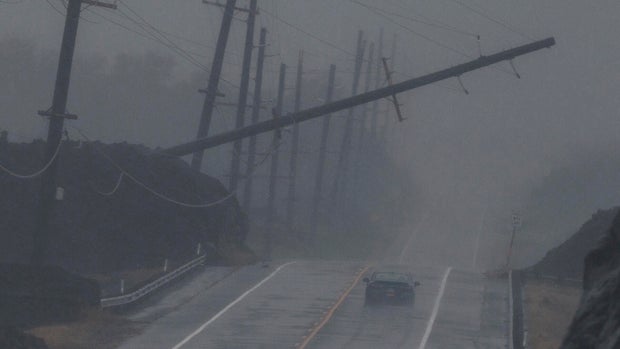
No Hurricanes in the Atlantic
The Atlantic is experiencing an exceptionally calm hurricane season due to a strong El Niño effect. According to the National Hurricane Center, not a single Atlantic hurricane has formed this season, which typically peaks between August and October. So far, only five weak and short-lived tropical storms have emerged.
As of Saturday, September 12, 2026, this season has set a record for the longest period without a hurricane reaching winds of 64 mph since the era of satellite observation began. Prior to the 1950s, there were instances of seasons with no recorded hurricanes this late, but meteorologists caution against trusting those records due to incomplete ocean monitoring.
Hurricane activity in the Atlantic is currently only 7% of the norm for this time of year. Predictions from Colorado State University experts estimated nine named storms would form in the Atlantic basin this year. Despite the lull, experts warn not to become complacent, as a single storm can have catastrophic effects, much like Hurricane Andrew in 1992.
Impacts of Strong El Niño
Kristen Corbosiero, an atmospheric science professor at the University at Albany, emphasized the challenging conditions in the Atlantic. She describes a “triple whammy” of forces: winds decapitating storms, dry air starves them, and downward pushing winds hinder their formation. These are typical impacts of El Niño, a natural warming in the equatorial Pacific, resulting in global weather changes.
The current El Niño effect presents robust wind shear in the Atlantic, reportedly 45 mph stronger than tropical cyclones can endure. This disrupts storm development between Africa and the Caribbean, where the most potent hurricanes typically originate.
There remains a potential for strong storm formation in the Gulf of Mexico as wind shear there hasn’t been as intense, Corbosiero and others cautioned.
Next Year’s Outlook
Despite the world’s oceans experiencing record warmth for over 100 days, El Niño’s impact is overpowering the typical storm-feeding conditions. Meteorology professor Kerry Emanuel from MIT points out that Atlantic waters are warming slower than the atmosphere, which may influence hurricane activity.
While the current El Niño suppresses storms, its fading and the continuing warm Atlantic waters increase the likelihood of a more active hurricane season next year.
Increased Pacific Activity
Conversely, El Niño historically boosts Pacific cyclone activity. This year, the eastern Pacific has seen nearly double the normal storm activity, and the central Pacific is 40% above average.
In recent weeks, Hawaii has faced substantial impacts. Hurricane Lowell caused significant power outages in western Hawaii islands, while Hurricane Lala brought heavy rains and wind gusts, resulting in extensive damage.
Looking at these patterns, scientists had predicted a calm Atlantic hurricane season, though the current quietness surprises many experts.
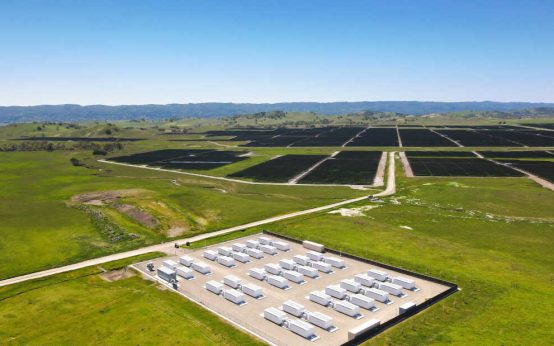 How Battery Innovations Transform Renewable Energy
  Data Centers Stir Controversy in Texas Amid Growth Boom
 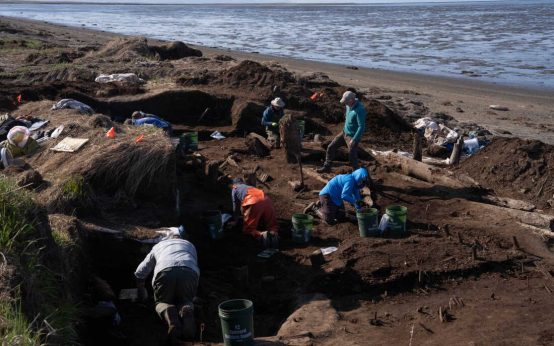 Urgent Archaeological Efforts in Quinhagak Stay Ahead of Erosion
 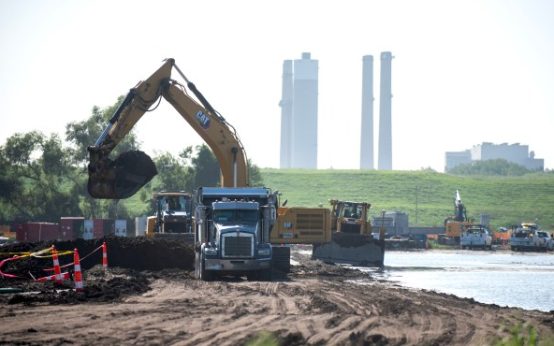 Concerns Rise Over NIPSCO Permit In Jasper County
  Reader Reactions on Grizzlies and Data Centers
  Managing the Crisis of Drying Rivers