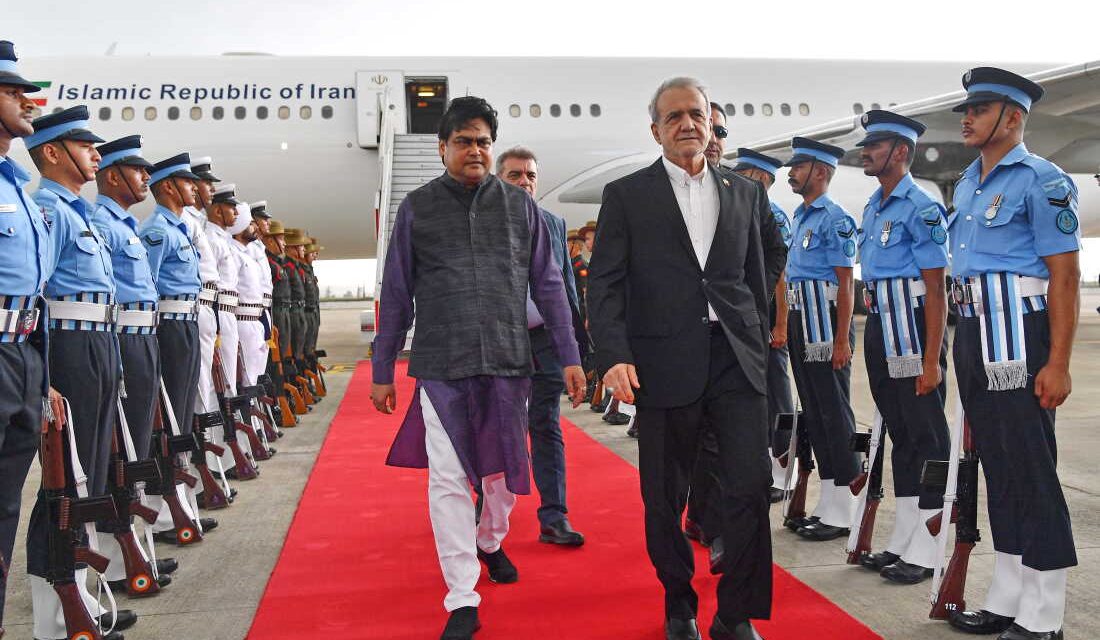
The BRICS summit is taking place in New Delhi, marking an important gathering of leaders from Brazil, Russia, India, China, and South Africa. Iranian President Masoud Pezeshkian has arrived to join discussions set to cover key issues like trade, investment, and international conflicts. Indian Prime Minister Narendra Modi is hosting the event, with other notable attendees including Russian President Vladimir Putin and Chinese President Xi Jinping.
Security is tight in New Delhi, with thousands of police and paramilitary forces ensuring safety. Traffic controls are in place as the city hosts these significant talks. The origins of BRICS date back to 2006, founded by Brazil, Russia, India, and China; South Africa joined in 2010. The group has grown to 11 members, representing nearly half of the global population and a large portion of the world’s economic activity.
Agenda and Discussions
The summit aims to discuss ways to enhance economic partnerships and tackle global issues like energy, food security, technology, and supply chain improvements. There is a strong focus on reforming global institutions to better reflect the interests of developing nations. One major topic is reducing dependence on the U.S. dollar, with an emphasis on using national currencies for trade.
Russia and China view BRICS as an opportunity to challenge Western influence, particularly that of the United States. President Putin emphasized cooperation in his address at the BRICS Business Forum, stressing that the group’s goals are not adversarial. Iranian President Pezeshkian echoed this sentiment, advocating for increased trade using national currencies among member countries.
Strategic Balancing by India
India plays a pivotal role in balancing its strategic alliances, maintaining relationships with Russia and Iran while also strengthening ties with Western countries. Despite the conflict in Ukraine and U.S.-Iran tensions, India continues its diplomatic approach, seeking dialogue and resolution for conflicts. Prior to the summit, Modi held separate meetings with both Putin and Pezeshkian.
A meeting between Modi and Xi Jinping is anticipated, which might help soothe past tensions between India and China. India’s challenge will be uniting the diverse interests within BRICS to issue a cohesive joint statement. The failure of BRICS foreign ministers to agree in May on a statement regarding the Iran war highlights these challenges.
This gathering occurs amid concerns over the Iran conflict, with potential broader implications due to escalating tensions in the Middle East. The bloc’s collective ability to maintain unity while addressing divergent foreign policies and relations with the U.S. will be tested.
 The War on Poverty: A Lesson on Intentions and Outcomes
 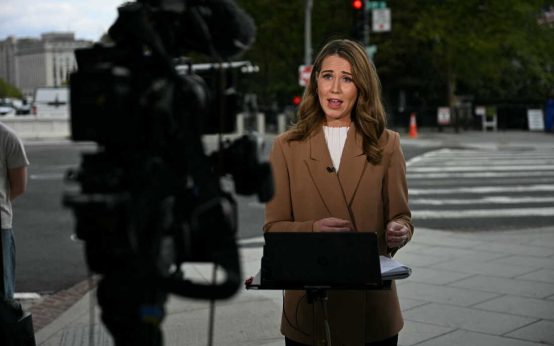 Reporters Blocked from White House by Trump Administration
  Universities Should Reject Political Influence on Research Funding
 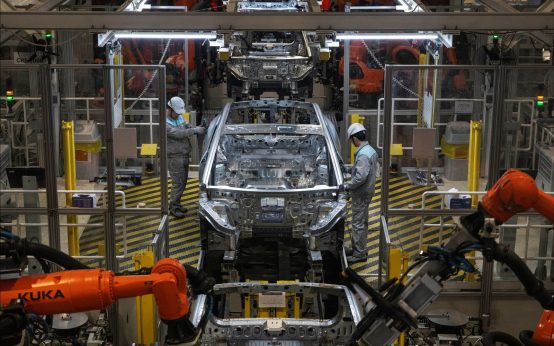 Trump’s Approach to China: Trade Dynamics and Challenges
  Media Outlets Sue After White House Ban
  American Public Opinion on Press Freedom