Trump’s Proposal and its Legal Implications
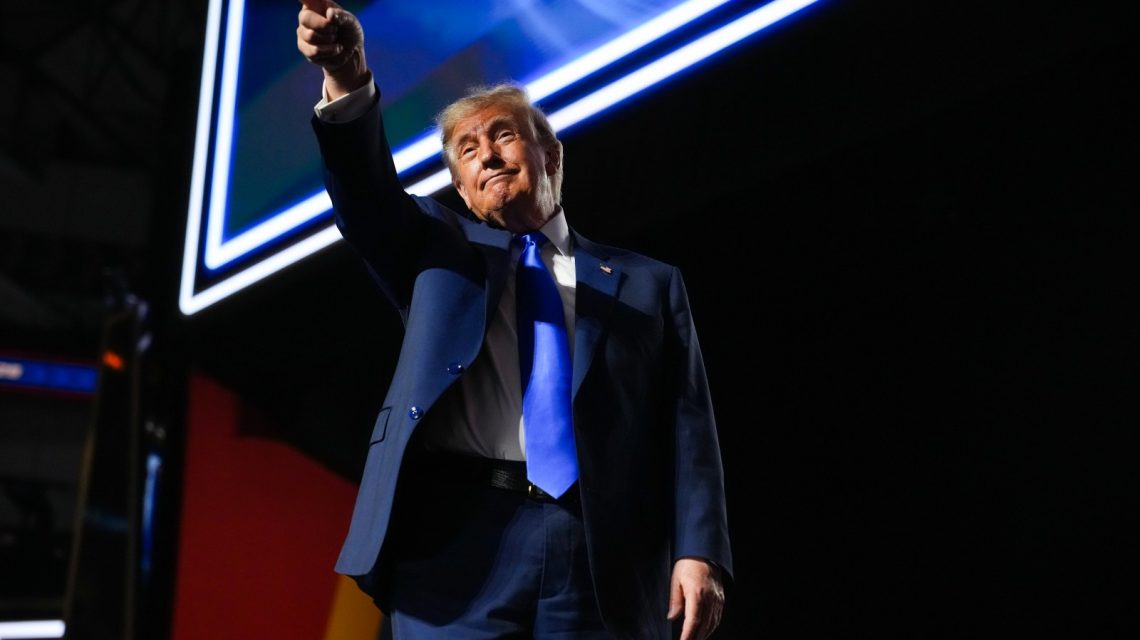
President Donald Trump has vowed to distribute $5,000 to each American if Republicans secure control of both the House and Senate in the 2026 midterm elections. This pledge, termed the “Trump dividend,” raises legal questions about its viability. Trump made this announcement at the Republican National Convention in Dallas, tying the offer to Republicans maintaining Congressional dominance. Despite his promise, political analysts are skeptical about its legal standing.
Legal experts have expressed doubts regarding the legality of the proposed dividend. Barbara McQuade, a former federal prosecutor, highlighted that Trump’s promise could violate 18 U.S.C. § 597. This statute criminalizes vote buying, and she speculates Trump’s offer fits within this definition, potentially circumventing presidential immunity previously defined by the Supreme Court. Michael McAuliffe, another legal expert, views the proposal as suspicious, noting the possibility of an investigation into its legality. However, Neama Rahmani suggests Trump’s promise may not constitute a crime, as it resembles typical political speech protected by the First Amendment.
Historical Context and Public Skepticism
Presidents often face challenges during midterm elections, with Trump’s first term witnessing a significant loss of Republican seats in the House. Trump’s approval ratings have suffered, with public concerns over tariffs, inflation, and living costs contributing to the decline. Critics remain skeptical about Trump’s financial promises, citing previous instances where similar promises failed to materialize. Representative Dan Goldman and economist Erica York have voiced doubts about the promise’s feasibility, emphasizing the necessity of Congressional approval for such distributions.
Republicans Facing Midterm Challenges
Current polls indicate hurdles for Republicans in retaining their House majority. Recent polling data suggests Democrats hold an advantage on the generic ballot. YouGov, Morning Consult, and Reuters/Ipsos polls consistently show Democrats leading by several points. Predictions from trading markets like Kalshi and Polymarket reinforce the possibility of a Democratic House majority.
Senate Prospects and Democratic Strategy
In the Senate, Republicans hold a 53-47 majority, creating a tougher scenario for Democrats aiming to gain control. For Democrats, retaining existing seats and flipping Republican-held seats are crucial strategies. Polls indicate potential Democratic gains in historically Republican states such as Alaska, Texas, Ohio, and North Carolina. Despite this optimism, shifting the Senate majority requires Democrats to expand their battleground strategies and compete in traditionally conservative regions.
 The War on Poverty: A Lesson on Intentions and Outcomes
  Reporters Blocked from White House by Trump Administration
  Universities Should Reject Political Influence on Research Funding
  Trump’s Approach to China: Trade Dynamics and Challenges
  Media Outlets Sue After White House Ban
  American Public Opinion on Press Freedom