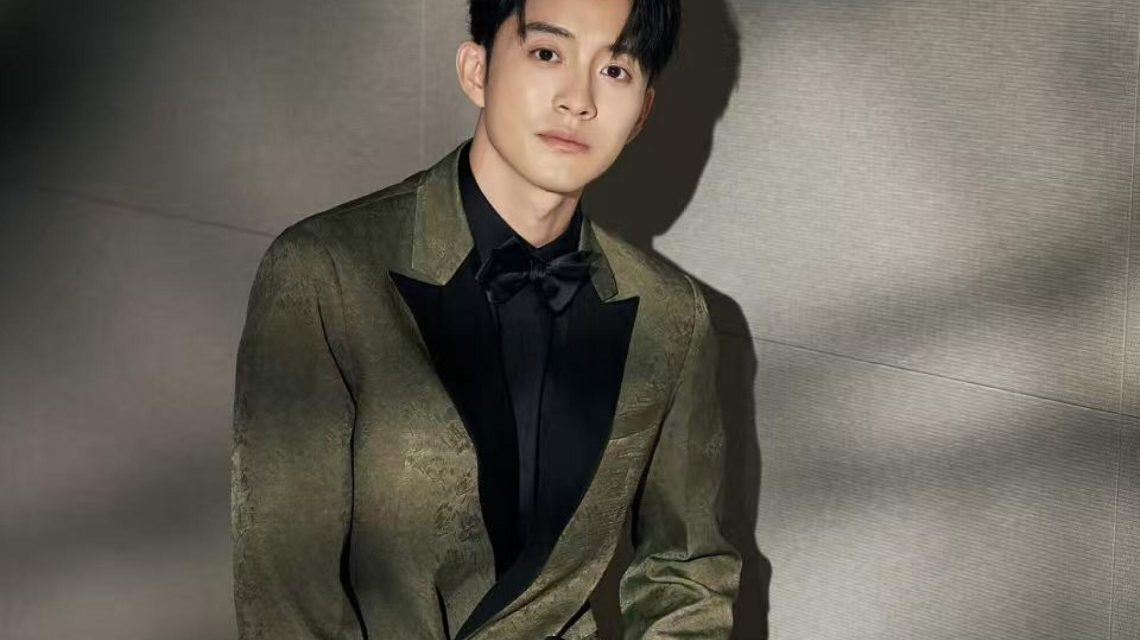
Chen Yilong, a seasoned actor with many film and TV credits, recently licensed his facial image to a Chinese production studio. Due to scarce acting opportunities, Chen now performs facial expressions in front of a camera, allowing AI to create a digital avatar for AI-generated films.
Transformation Through AI
The Chinese film industry is rapidly evolving with AI-driven storytelling, especially in micro dramas designed for smartphones. These short videos, consumed by Chinese audiences throughout the day, are cost-effective to produce using AI. Chinese technology giants like Kuaishou Technology and ByteDance have been pivotal in slashing production costs.
A staggering 128,000 Chinese-made micro dramas emerged during the first quarter of the year, with 95% generated using AI. Similar technological tools are being tested in the U.S., possibly signaling future trends for Hollywood.
Challenges in Hengdian World Studios
Known as “China’s Hollywood,” Hengdian World Studios faces diminishing actor demand. Although thousands of extras seek work daily, merely hundreds are hired. Chen estimates a significant reduction in acting jobs due to shifting viewer habits towards shorter content.
Legal and Ethical Concerns
The AI explosion has led to legal challenges. Entertainment lawyer Fan Baile is busy with celebrity lawsuits against unauthorized use of their likenesses via AI. Judges struggle with complex cases involving AI’s ability to alter features yet preserve likeness.
Popular actors like Jackson Yee and Dilraba Dilmura have publicly challenged the misuse of their images, which sparked a response from industry associations urging compliance with legal standards. Despite measures, facial infringement challenges persist.
AI-Driven Content Production
Sun Wei’s Feixiang Universe uses licensed likenesses for AI video production. Sun’s team combines AI tools like ChatGPT and deep video models to create cost-efficient films. AI reduces reliance on large budgets, enabling production of high-quality films at low costs.
Technological Limitations
Despite advancements, AI video generation struggles with complex scenes. Director Lu Beike highlights AI’s inability to match top-tier production quality, especially regarding lighting and depth.
A Shift Towards Authentic Performances
Chen Qiufan, a science-fiction writer, notices rising resistance against AI content. Innovative creators emphasize human-produced art, and live performances are regaining popularity. As AI faces continue to proliferate, audiences value genuine, live interactions more.
Chen concludes, “AI isn’t art; it is just a product.”
 Chad Gilbert of New Found Glory Dies at 45
  Gorillaz and Macklemore Respond to Controversy Over Israel-Palestine Statements
  Jack Osbourne Discusses Parenting Without a Nanny and Family Dynamics
  Frankie Muniz Reflects on Personal Challenges Amid Divorce
  Dakota Johnson Reflects on Career and Future Plans
  Johnny Galecki as Tennessee Williams in “Kowalski”