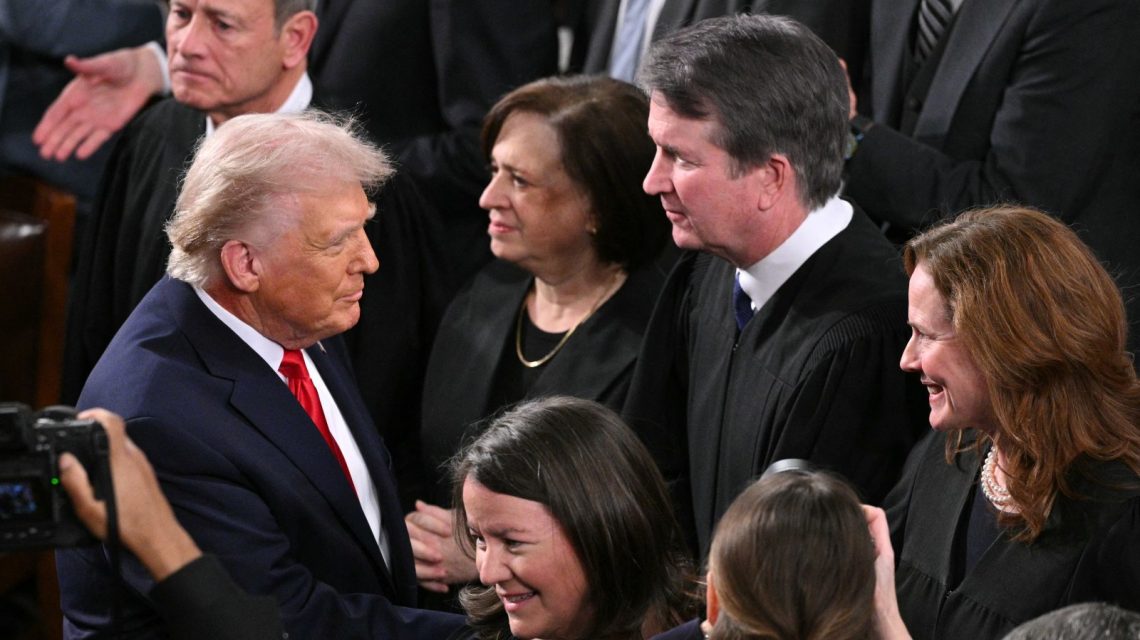
A recent Economist/YouGov poll reveals that nearly half of registered voters believe the Supreme Court shows bias toward President Donald Trump. This perception arises as Trump increasingly seeks the Court’s involvement in election-related issues before the upcoming midterm elections.
The survey, conducted from September 4-8 and including 1,469 registered voters, found that 44 percent of participants perceive a bias in favor of Trump, while only 12 percent view the Court as biased against him. Additionally, 27 percent believe the Court treats Trump fairly without bias, and 18 percent remain uncertain. The poll has a margin of error of 3.4 percent.
Partisan Divides
The perception of bias is significantly split along party lines. Of those who supported then-Vice President Kamala Harris in the 2024 election, 81 percent believe the Court favors Trump. In contrast, only 9 percent of Trump supporters share this view. Among Democrats, 77 percent say the Court favors Trump, while 20 percent of Republicans believe the Court is biased against him, and nearly 50 percent see fair treatment.
Independents show varied opinions, with 44 percent perceiving favoritism towards Trump, 23 percent seeing fair treatment, and 8 percent viewing the Court as biased against him.
Supreme Court’s Declining Approval
The survey also indicates a downturn in the Court’s overall approval. Currently, 56 percent of registered voters disapprove of the Court’s performance, whereas only 34 percent approve. In contrast, a poll from July indicated 50 percent disapproval and 36 percent approval.
The Court’s portrayal as conservative has increased from 44 percent to 49 percent since July, while the perception of the Court as liberal has seen only a slight rise from 9 percent to 10 percent.
Cases and Rulings Affecting Perceptions
This shift in perception comes amid several politically charged election disputes leading up to the November midterms. Recently, the Court refused to reinstate a Republican-backed congressional map in Missouri, among other decisions impacting Trump’s administration and Republican efforts.
The poll shows a split opinion on whether the Court’s recent rulings give Trump excessive power, with 47 percent agreeing, 30 percent seeing an appropriate balance, 8 percent believing it provides too little power, and 15 percent uncertain.
Public Opinion on Justices
In a related July poll, public perception of individual justices varied. Justice Amy Coney Barrett was viewed favorably by 23 percent and unfavorably by 38 percent. Justice Clarence Thomas had a 29 percent favorable and 41 percent unfavorable rating. Chief Justice John Roberts was seen favorably by 25 percent and unfavorably by 36 percent, while Justice Ketanji Brown Jackson received a 34 percent favorable and 26 percent unfavorable rating.
According to the findings, net favorability for Justices Thomas, Barrett, and Kavanaugh has declined compared to the previous year, reflecting a changing view among Americans regarding the Supreme Court.
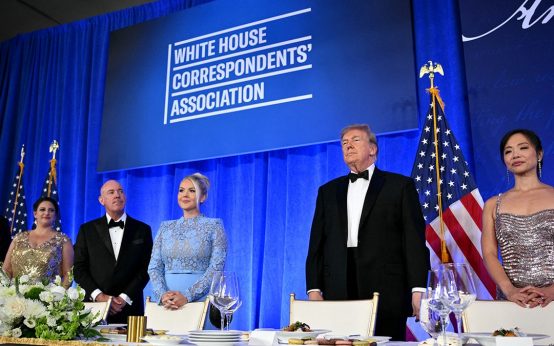 Details on Trump’s Response After WHCA Dinner Incident
  Political Influence over NIH Grantmaking Concerns
  Protest Following ICE Shooting in Austin: Investigation into Organized Activism
 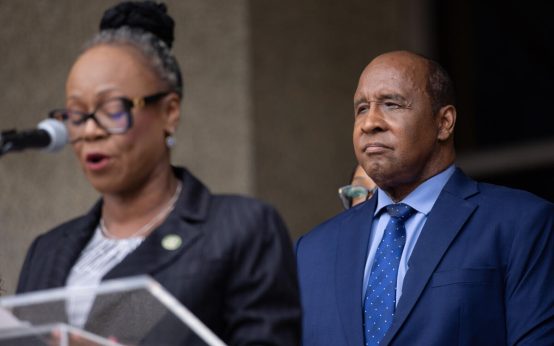 Inglewood Mayor Faces Allegations Amidst Political Turmoil
 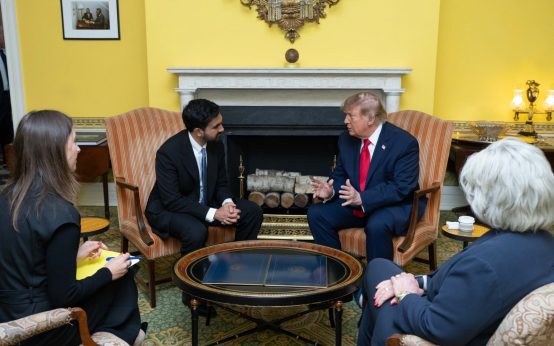 Mayor Mamdani’s Strategic Engagement with President Trump
 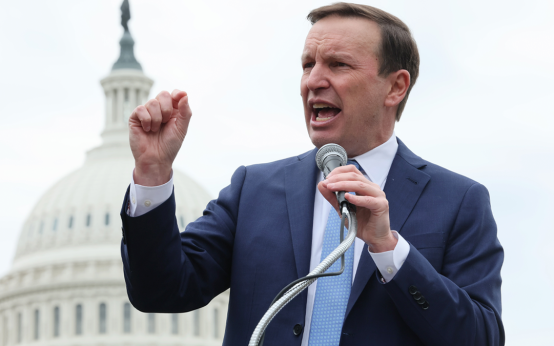 Senator Murphy Calls for Internet Regulation to Prevent Influence of Demagogues