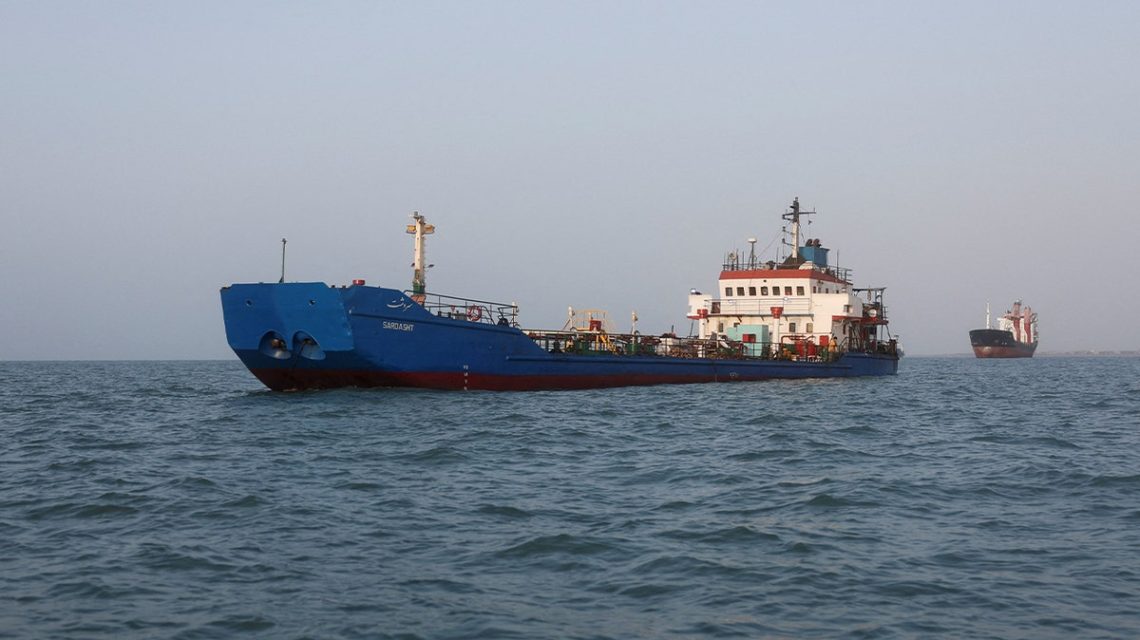
Iranian officials have stated confidence in their regime as they consider escalating measures against the United States. Despite this, signs suggest these actions stem from desperation rather than strength. Recently, U.S. Central Command targeted three Iranian tankers. Admiral Brad Cooper highlighted the consequences of targeting U.S. ships, stating that higher economic costs would follow any such aggressive behaviors from Iran.
Just days later, five more tankers were destroyed by U.S. forces in response to Iranian ballistic missile launches targeting a U.S. Navy warship. Under President Donald Trump’s administration, an approach prioritizing economic pressure combined with precise military actions continues to challenge Iran.
The current tactics, while not a definitive solution to the Iranian issue, show that the United States is positioning itself advantageously as it maintains pressure. The combination of economic sanctions, naval blockades, and military strikes cripples Iran’s ability to retaliate meaningfully.
The regime’s previous missile attempts have frequently failed to achieve their intended impact. U.S. officials reported that half of the ballistic missiles launched by Iran didn’t even manage to cross into Jordanian airspace.
The ongoing U.S. and Israeli operations have further weakened Iran’s military capabilities, despite any support Iran may receive from allies like Russia and China. This limited effectiveness supports the U.S. viewpoint that foreign aid has yet to significantly strengthen Iranian offensiveness.
President Trump continues to emphasize the importance of controlling the Strait of Hormuz, central to global oil shipments, and critiques Iran’s temporary economic relief through past agreements. Criticism exists regarding Trump’s rejection of previous administrations’ strategies, like Obama’s deal, but Trump’s military engagement has disrupted Iran’s nuclear ambitions.
The U.S. military has shown its effectiveness through Operation Epic Fury, reducing Iran’s military capacities and threatening its economic stability. Continuous U.S. resilience through military actions and economic sanctions drives this weakening of the Iranian threat.
The administration remains focused on asserting control and preventing adversarial support from nations such as Russia and China. Diplomatic efforts target allied nations and emphasize the importance of limiting any economic influence Iran could exert in the region.
The Trump administration insists on Iran removing enriched uranium and keeping the Strait of Hormuz open for international trade. These demands align with strategies involving allies such as Israel and nations within Europe and the Gulf region, advocating for normalization in relations and minimizing economic ties with Iran’s allies.
 Gorillaz and Macklemore Respond to Controversy Over Israel-Palestine Statements
  Investigation into Lion Deaths in Tanzania
 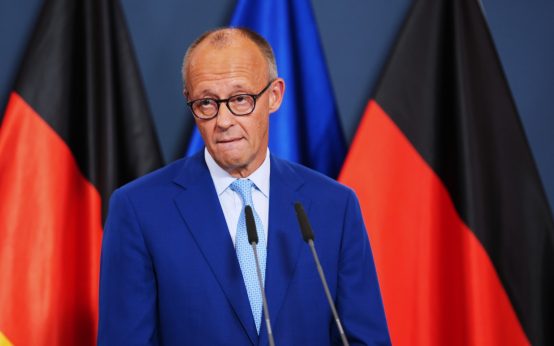 Merz Stays Resolute Amid Electoral Shifts in Germany
 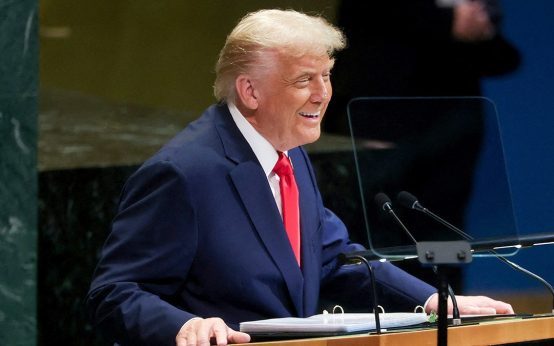 U.S.-Iran Relations and Diplomacy at Upcoming U.N. Assembly
 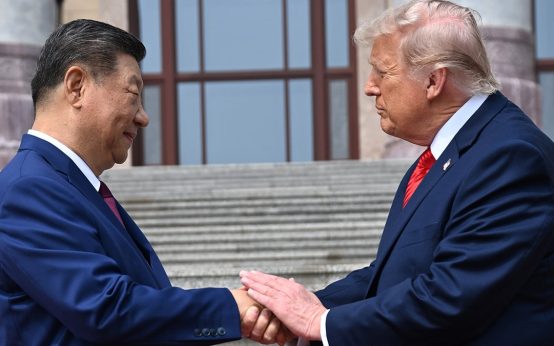 US-China Relations Under Scrutiny: Expert Warns of Escalating Tensions
  Extradition of Suspects in Haitian President’s Assassination