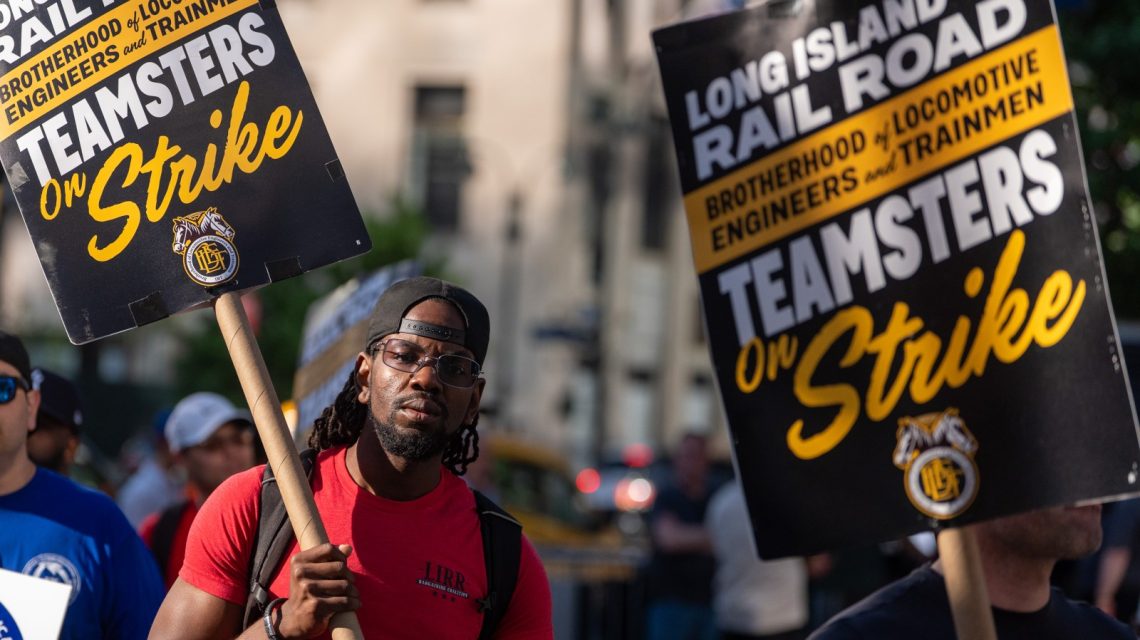
Labor Day serves as a reminder that everyone in the country deserves a fair chance at the American dream. This includes having a good job with fair wages and the possibility of a dignified retirement. Many families face stress over expenses such as groceries, rent, health care, and utility bills. About four in ten adults would struggle to cover a $400 emergency with current savings.
Challenges Faced by Black Workers
Black workers and other workers of color see the American dream slipping away. In 2023, Black unemployment had reached historic lows. However, the economic downturn has impacted Black workers heavily, with Black unemployment rising to 7 percent in the first half of the year. Black workers are twice as likely to be unemployed compared to white workers. Reports show only 60 percent of Black adults feel financially stable, and many report job losses.
Increasing Economic Inequality
Economic inequality continues to increase. The AFL-CIO’s Executive Paywatch report shows that average S&P 500 CEO compensation reached $22.8 million in 2025, a 21 percent increase. Elon Musk’s pay package last year amounted to $158.3 billion. Such inequality results from deliberate policy decisions, with labor laws weakened dramatically, making it easier to dismantle unions. The wealthy often oppose strong labor movements as unions push back against corporate interests.
The Impact of Unions
I witnessed unions’ influence growing up in Chicago. My mother, a domestic worker, traveled far to clean homes, while my father took any available job to support us. Our situation improved when my father gained a union job at an aluminum mill, bringing more security and opportunity. Union membership provided better pay, healthcare, retirement benefits, safer work conditions, and fair treatment.
Union membership significantly boosts income, particularly for families of color and working-class families. Black workers in unions earn, on average, 12.6 percent more than nonunion peers. Latino workers earn 16.4 percent more. Currently, two-thirds of union members are women or people of color. Black workers have the highest unionization rate among major racial and ethnic groups.
Growing Union Presence
In 2025, union representation grew by 463,000 workers to 16.5 million, the highest in 16 years. More workers realize the benefits of unions and strive to organize. This fall, we expand labor power beyond workplaces. Tens of thousands of union volunteers will reach millions of voters, conducting person-to-person conversations, crucial in times when AI advertising dominates media.
Union members continue discussions about vital issues affecting their lives and families. This approach is central to the AFL-CIO’s election program. Personal interaction and community dialogue remain unparalleled, especially on Election Day.
I have spent over 50 years in the labor movement, believing that unity is our strength. This belief shaped my family’s path to the American dream and built America’s middle class across races. It ensures the dream remains achievable for future generations.
Fred Redmond is the highest-ranking African American labor official in history. He serves as the secretary-treasurer of the AFL-CIO, representing 65 unions and nearly 15 million workers.
The views expressed in this article belong solely to the author.
 Court Blocks Trump’s Mail-Ballot Rules Ahead of Elections
  A Mother’s Tragic Journey Under Abortion Ban
  U.S. Strategic Goals Remain Unmet Amid Prolonged Conflict
  The Impact of Arts and Closure on Democracy
  U.S. Ambassador Comments on Iran War Duration Amid Political Concerns
  US-China Relations Under Scrutiny: Expert Warns of Escalating Tensions