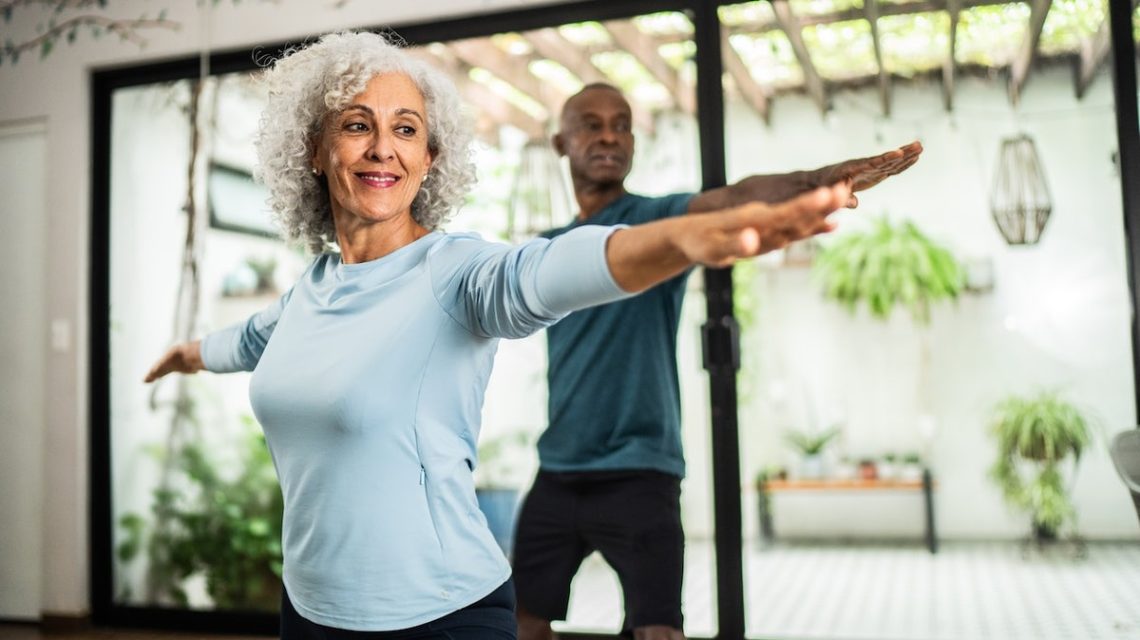
Biohacks such as peptides, cold plunges, and high-tech wearables are gaining popularity. While some advocate for extending human life significantly, others stress enhancing the quality of life instead.
Dr. Annu Navani, the chief medical officer at Le Reve Wellness in San Jose, California, advocates focusing on extending healthy life years over achieving extreme longevity. She explains, “We’ve lengthened human lifespans somewhat. However, suggesting people will live beyond 120 or 130 years seems unrealistic.” Highlighting the importance of adding quality to the years we have, Dr. Navani states, “Longevity medicine aims to enhance life quality, not merely extend life expectancy.”
Accessible Habits for Longevity
Dr. Navani suggests that longevity doesn’t require expensive interventions. Instead, simple daily routines can cultivate long life and well-being.
The foundation of longevity lies in everyday smart practices.
1. Prioritize Sleep Quality
Dr. Navani emphasizes that sleep plays a crucial role in health and longevity. “Getting at least seven hours of sleep is often recommended for optimal performance and links to better health,” she notes.
Aligning with CDC guidelines, adults should aim for at least seven hours nightly. To improve sleep quality, she advises eating 3-4 hours before bedtime, avoiding digital screens or engaging in stimulating activities before sleeping, and incorporating calming practices like meditation or journaling.
2. Stress Management
Effective stress management combines physical activity, restful sleep, relaxation techniques, nutrition, and social interactions. Dr. Navani starts her day with 20 minutes of meditation and gratitude, helping her reduce stress. She also advises meditating in the evening to relax before sleep.
3. Nutritious Diet
Healthy eating involves balanced meals with a variety of fruits, vegetables, whole grains, lean proteins, and low-fat dairy, while limiting sugars, fats, and sodium. Tailoring diets according to individual needs, age, and health preferences is essential, as per U.S. Department of Agriculture guidance.
4. Regular Exercise
The CDC suggests 150 minutes of moderate aerobic activity or 75 minutes of vigorous activity per week, supplemented by strength training on two days weekly. Dr. Navani highlights high-intensity resistance training as particularly crucial for those aged 50 and above, as it supports bone and muscular health.
She also points out VO₂ max as a significant health marker, measuring the maximum oxygen use during intense exercise. This measure is linked to longer lifespans and enhanced cardiorespiratory fitness.
For people with health challenges, she encourages starting with lower-intensity exercises. “It’s never too late,” she assures. “Even starting in your 50s or 60s can lead to substantial health improvements.”
Starting the Day Right
Dr. Navani shares her efficient morning routine: dividing the first hour into three 20-minute segments. Initially, she practices meditation and gratitude. “These 20 minutes for calming and stress relief set a positive tone,” she explains.
The second segment involves movement, including stretching and resistance training. The final 20 minutes is dedicated to reading something mentally engaging to kick-start her brain into gear.
Dr. Navani advises keeping screens and emails at bay first thing in the morning, opting instead for intellectually stimulating reading. This practice benefits mental health and promotes an enriching start to the day.
 The War on Poverty: A Lesson on Intentions and Outcomes
 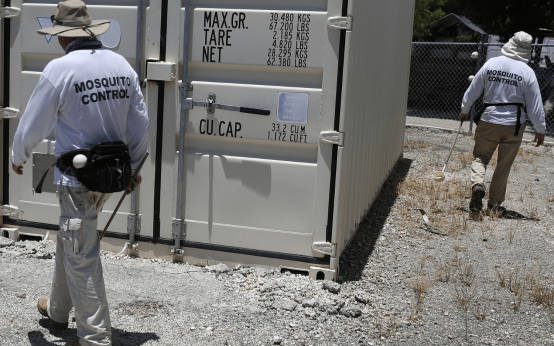 Florida Reports First Dengue Fever Death as Outbreak Expands
  Pickle-Flavored Snacks Surge in Popularity: A Social Media Driven Craze
 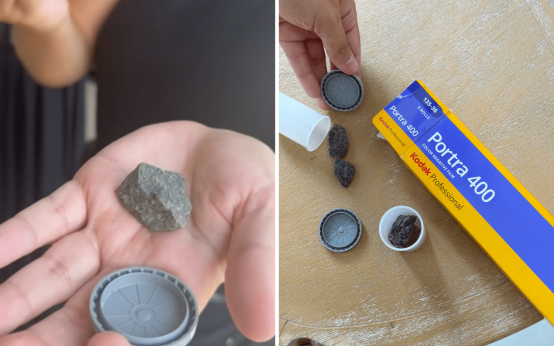 Wedding Photographer’s Unexpected Amazon Purchase
  Unsupervised Play: The Benefits Over Commercialized Youth Sports
  Friendly’s: From Ice-Cream Shop to Iconic Chain Facing Modern Challenges