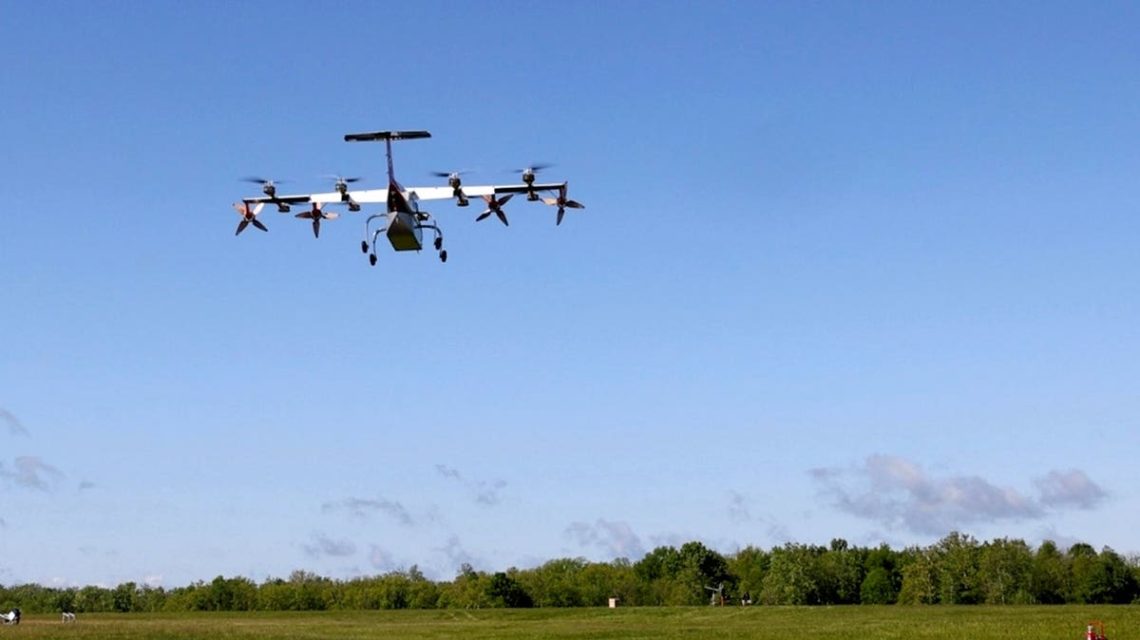
The introduction of medical drones aims to enhance the transportation of essential healthcare materials. This initiative targets the swift delivery of lab samples, blood, and donor materials, linking smaller communities with larger hospitals where time-sensitive diagnostics and treatments are crucial. By ensuring quicker and on-demand flights, developers believe rural patients can access care more promptly. Future developments may extend to transporting transplant-related items.
FAA’s Hybrid-Electric Cargo Aircraft Test
The Federal Aviation Administration (FAA) explored an alternative to traditional deliveries with a hybrid-electric cargo aircraft capable of vertical takeoff and flights without onboard crew. Elroy Air, in partnership with Louisiana’s Department of Transportation, successfully demonstrated this aircraft at the Houma-Terrebonne Airport. As the first test under the eVTOL Integration Pilot Program (eIPP), this marks a significant step in air cargo transport innovation.
Potential of Pilotless Aircraft
Helmed by Elroy Air, the Chaparral aircraft stands out for its capacity to transport over 500 pounds, far surpassing the capabilities of smaller delivery drones. This test helps glean insights for its possible integration into broader transportation systems, potentially revolutionizing the movement of emergency supplies and everyday goods across regions.
The Chaparral’s Unique Features
Unlike typical drones, the Chaparral supports vertical takeoff and landing, making it well-suited for areas without traditional runways. Its hybrid-electric power extends its reach up to 450 miles, accommodating payloads over 500 pounds. The aircraft features a modular cargo system, enabling seamless loading and unloading processes, thus reducing the need for extensive ground equipment at remote sites.
Human Oversight in Pilotless Operations
While the Chaparral excels in autonomous operation, human oversight remains crucial. The Louisiana test highlighted the importance of remote piloting and air traffic control involvement. This ensures safety and regulation as testing advances, addressing challenges like communication breakdowns and adverse weather conditions.
Applications and Impacts of Chaparral
The Chaparral will most likely be used in areas demanding substantial cargo transport, rather than individual deliveries. Industries such as offshore energy and disaster response could benefit, as these aircraft deliver supplies efficiently to challenging locations.
FAA’s Ongoing Testing Program
The FAA’s testing in Louisiana represents a phase in a larger initiative to incorporate advanced air mobility. As technology develops, the emphasis will be on ensuring safety, setting operational guidelines, and learning from instances when flights encounter difficulties.
Benefits for Communities
Communities may initially experience drone impacts behind the scenes. Faster cargo movement could streamline supply chains, benefitting remote and hard-to-reach areas. During emergencies, such aircraft could continue operations despite infrastructure setbacks. However, the need to address concerns about noise, flight paths, and safety remains paramount.
 Data Centers in Virginia face Growing Opposition
  The War on Poverty: A Lesson on Intentions and Outcomes
  Texas Leads Air Taxi Innovation with Project Nexus
  Florida Reports First Dengue Fever Death as Outbreak Expands
  Experts Warn Against Alarmism in AI Governance
  Florida Man Claims ‘Lion Diet’ Transformed Health and Life