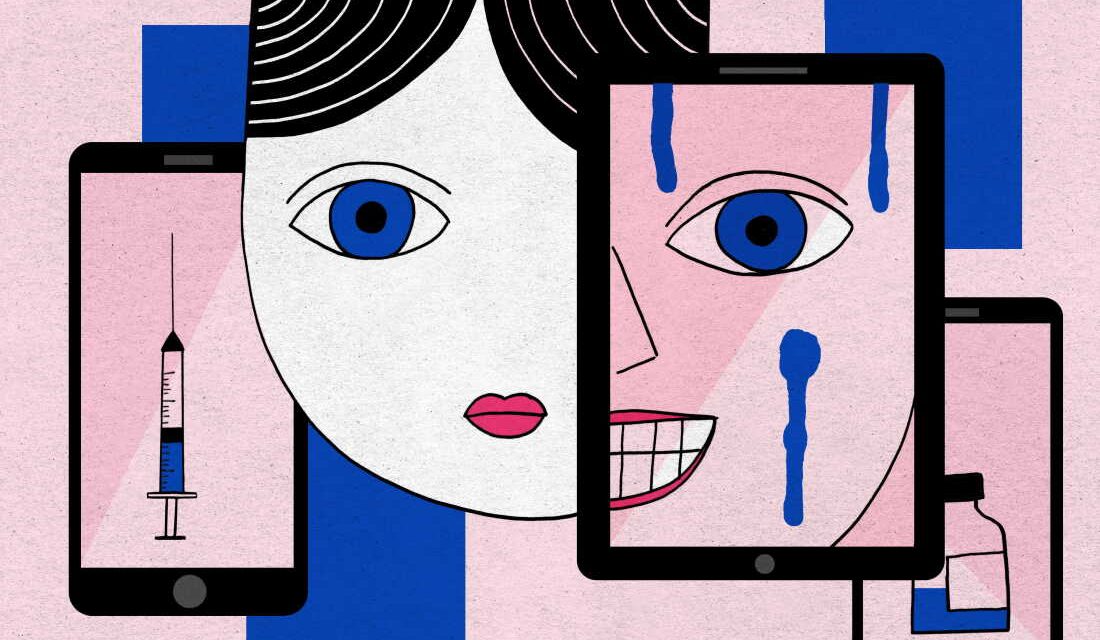
Copper peptides, now popular on social media for skincare, are often applied as electric-blue tinctures on the face or injected with syringes. GHK-Copper, known as GHK-Cu, has gained attention due to claims of firm, wrinkle-free skin and other anti-aging benefits.
The Rise of Peptides in Skin Care
This trend reflects a broader interest in peptides within the wellness and longevity communities. Though not an approved drug, GHK-Cu has substantial scientific research. Topical copper peptide serums have been available for decades and studied in human trials.
What’s changing is the method of use. Many now opt for subcutaneous injections instead of topical application. These injections are often “stacked” with other peptides for tissue repair and anti-aging. But there’s no human data confirming the safety or efficacy of this practice. Risks arise from purchasing injectables in an unregulated online market.
I think GHK can have a major role in helping enhance longevity,said Dr. Warren Ladiges, emphasizing caution in self-injection.
Origins and Scientific Research
The peptide’s history dates back over fifty years. In the 1970s, chemist Loren Pickart identified GHK, a sequence of three amino acids. He found that younger adults’ plasma rejuvenated liver cells. Research showed that GHK-Cu stimulates collagen production, promotes new blood vessels, and has anti-inflammatory effects. Human studies remain focused on skin health, aesthetics, wound healing, and hair growth.
According to Dr. David Goldberg, GHK-Cu boosts collagen comparable to topicals like Vitamin C. Animal studies suggest broader potentials, such as wound healing and organ repair, like lung fibrosis. Dr. Ladiges’ experiments linked the peptide to anti-aging pathways and Alzheimer’s symptom relief in mice. Yet human trials have not progressed due to patent challenges for drug companies.
Challenges and Risks
The surge in popularity has increased patient interest in GHK-Cu injections. Some experts, like Dr. Goldberg, express cautious optimism about potential benefits but advise against injection until further human studies are conducted. Concerns include excess copper intake or immune reactions from injectable sources, often obtained from unregulated suppliers.
The current regulatory environment classifies many wellness peptides, including GHK-Cu, ambiguously. Compounding pharmacies can’t technically offer injection products due to restrictions. However, a panel has advised the FDA on reclassifying some peptides, including GHK-Cu, with further evaluation scheduled.
Clinical Observations
Erik Marks, a doctor of nursing practice at Vitality Medical PNW, notes common safety concerns with self-administered injections sourced online. Patients often experience injection site irritation and liver-related issues. Marks provides GHK-Cu in topical forms, reporting better efficacy for skin and hair growth compared to injections.
The jury is still out on the effects of it,says Marks, stressing the need for a thoughtful approach to peptides.
 Data Centers Stir Controversy in Texas Amid Growth Boom
  Lymphatic Drainage and Ice Sculpting: Emerging Wellness Trends
  The Technology Rivalry: Trump’s Meeting with Xi and the AI Ecosystem Clash
  Ways to Protect Your Finances from Cyber Threats
  Interview with Nvidia CEO Jensen Huang: AI Outlook and Business Strategy
  Concerns Rise Over Addictive Design of Sports Betting Apps