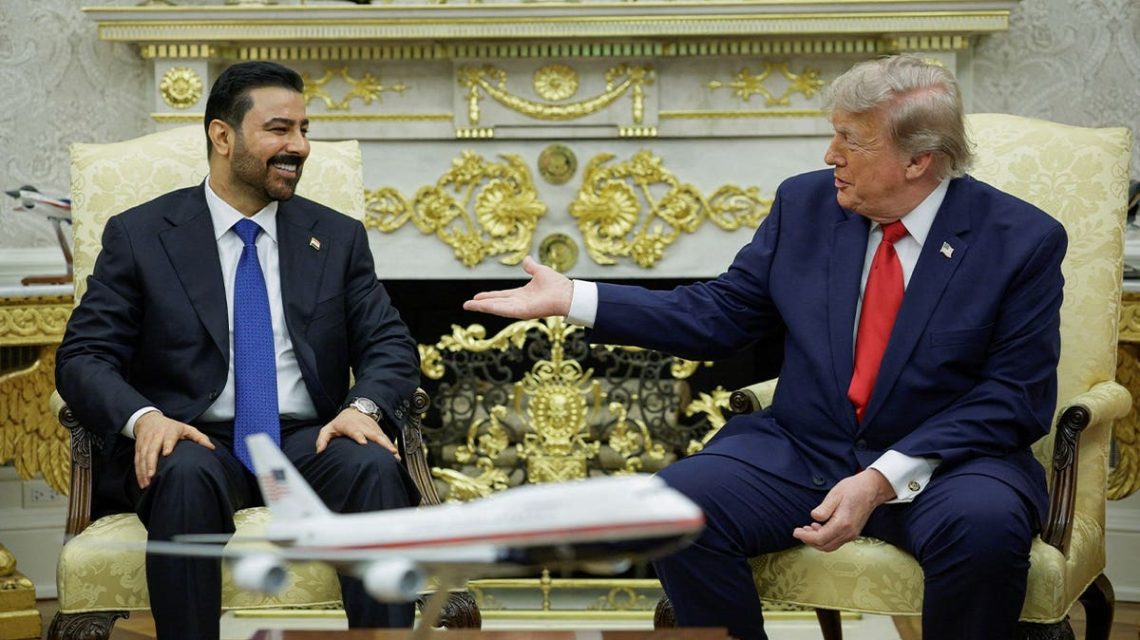
President Donald Trump has declared that U.S. troops are no longer necessary in Iraq. He believes the country can support itself without external military assistance. In contrast, Iraqi Prime Minister Ali al-Zaidi emphasizes the lack of any pretext for armed groups to operate outside state control following the end of the coalition mission.
The Trump administration aims to pressure Iraqi leadership, specifically Prime Minister al-Zaidi, to dismantle pro-Iran terrorist militias. Although setbacks have occurred, progress continues. Senior Iraqi officials, however, indicate that Baghdad does not consider September 30 as a cut-off date for disarming pro-Iran groups known as the Popular Mobilization Units (PMU).
The Iraqi government strives to manage these militias by integrating them into the state. Radical cleric Muqtada al-Sadr supports this integration. Militant groups like Kataeb Hezbollah refuse to either disarm or integrate. According to Qasim al-Araji, security advisor to the prime minister, the September 30 date is seen as when the international coalition departs, not when weapons are surrendered.
The U.S.-led coalition played a key role in defeating ISIS during Trump’s first term. Questions linger regarding why the Iraqi government is easing its stance on PMU disarmament.
Iraq is pursuing a new direction under Prime Minister al-Zaidi, strongly supported by the U.S. to ensure a future free from terrorism, prevent attacks, and maintain a beneficial partnership with the U.S.,
said a State Department spokesperson.
Al-Zaidi has spoken about political unity in ensuring weapons remain under state control. This is important for fostering investment, as rogue arms discourage economic growth. In May, the U.S. sanctioned Iraq’s deputy minister of oil, Ali Maarij Al-Bahadly, for allegedly using his position to support Iranian militias financially.
Reports surfaced that Al-Bahadly received a prison sentence for corruption. Iran’s influence regarding Iraqi oil raises concerns; for instance, the Strait of Hormuz’s approval for Iraqi oil tankers drew a sharp response from former U.S. ambassador Alberto Fernandez, who criticized the profits going to Iranian militias.
We hoped for decisive action against militias after Al-Zaidi’s White House visit, but skepticism remains,
stated Entifadh Qanbar, a former Iraqi official.
Despite some militias, like Asaib Ahl al-Haq, claiming intentions to hand over their weapons, there’s no evidence of disarmament. Esmail Qaani, commander of Iran’s Quds Force, advised militias to delay talks on laying down arms according to reports.
Efforts to disband the PMU face significant challenges. Elizabeth Tsurkov, an analyst, noted the government’s difficulty confronting militias, as they often infiltrate state institutions. The arrest of Abbas al-Yaqubi, head of intelligence for a PMU command, initially indicated progress. However, his subsequent transfer to PMU oversight highlighted ongoing challenges.
 Gorillaz and Macklemore Respond to Controversy Over Israel-Palestine Statements
 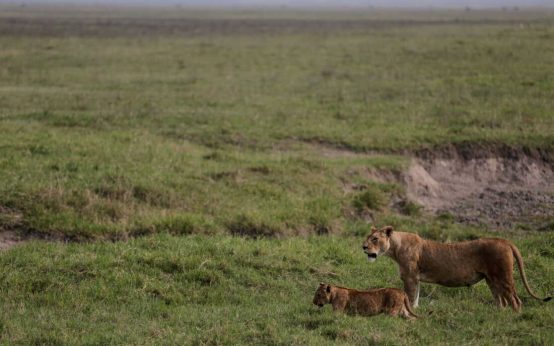 Investigation into Lion Deaths in Tanzania
 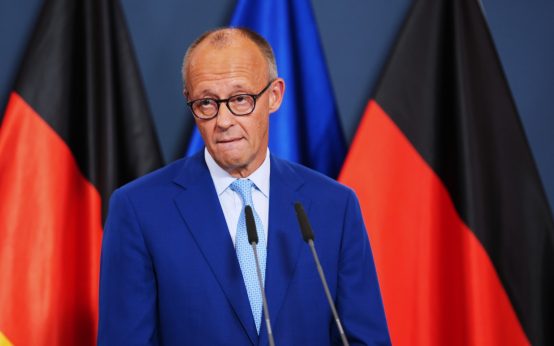 Merz Stays Resolute Amid Electoral Shifts in Germany
 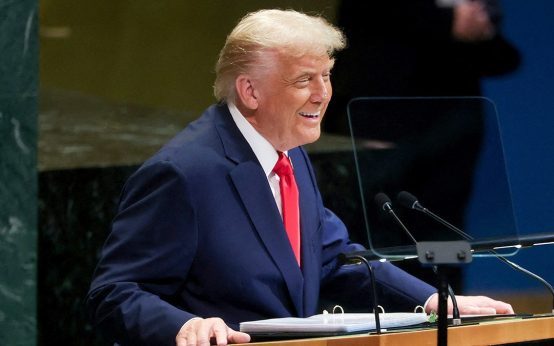 U.S.-Iran Relations and Diplomacy at Upcoming U.N. Assembly
  US-China Relations Under Scrutiny: Expert Warns of Escalating Tensions
  Extradition of Suspects in Haitian President’s Assassination