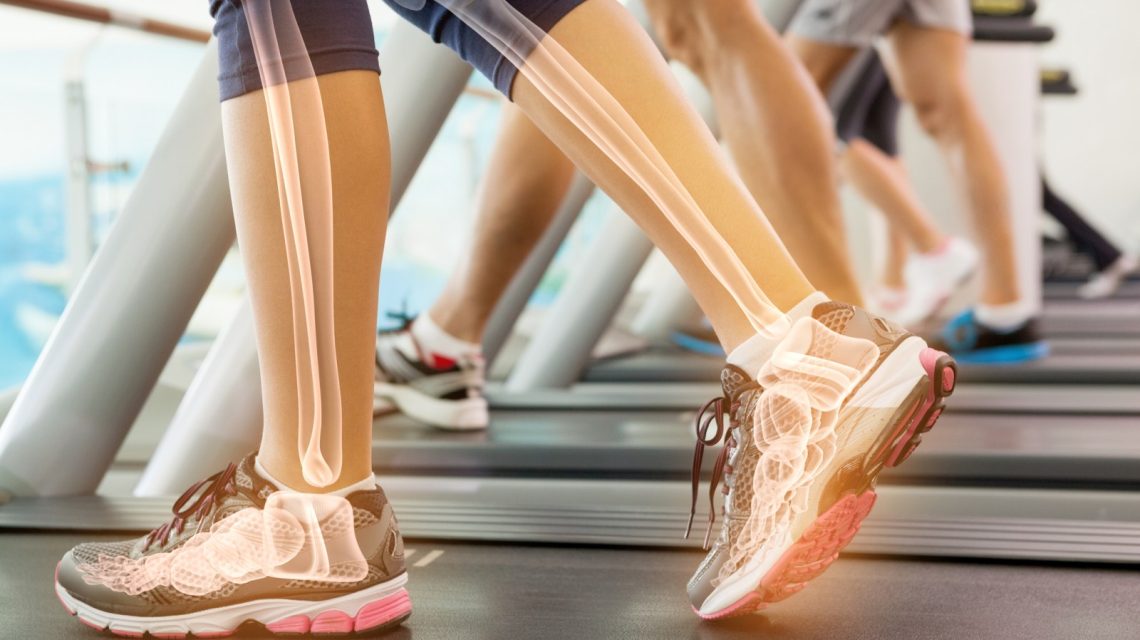
Wear and tear on bones is a natural part of aging, but daily habits may impact bone health more than expected. Data from national health surveys and U.S. Census figures estimate that 53.6 million Americans aged 50 and above live with osteoporosis or low bone mass, conditions that weaken bones and increase fracture risks.
Understanding Caffeine Consumption
While many rely on coffee daily, excessive consumption can negatively impact bone health. Research from Flinders University in Australia tracking nearly 10,000 older women over 10 years found that tea drinkers had slightly stronger hip bones than those consuming more than five coffee cups daily, which correlated with lower bone density.
Carla Pozner, a registered osteopath, stresses moderation instead of restriction. Caffeine can interfere with calcium absorption and bone metabolism. Regular consumption, combined with other factors affecting bone health, necessitates a broader look at daily habits.
Avoiding Sedentary Lifestyles
A 2022 study by the National Center for Biotechnology Information reveals U.S adults generally spend 9.5 hours a day sitting, with nearly half of this during leisure activities such as watching TV or browsing the internet.
Pozner highlights the importance of physical activity for bone health. Bone, being living tissue, responds to pressure, making weight-bearing and resistance exercises essential. Activities like walking, climbing stairs, dancing, yoga, and strength training help maintain bone health.
She emphasizes considering the entire musculoskeletal system rather than focusing solely on bones to support skeletal health and prevent falls and fractures as people age.
Rethinking Calcium’s Role
While calcium is critical for bone strength, focusing exclusively on one nutrient can be misleading. Pozner stresses the value of a varied diet that includes adequate amounts of calcium, vitamin D, and protein for bone and muscle health.
Rather than seeking one “superfood,” prioritizing overall health through balanced nutrition, regular exercise, hydration, and time outdoors is more effective.
Impact of Alcohol Consumption
A 2022 meta-analysis from the University of Catania with data from nearly 300,000 people showed consuming three or more alcoholic drinks daily raised the risk of hip fractures.
Excessive alcohol intake disrupts bone remodeling and affects calcium and vitamin D metabolism, contributing to weaker bones and increased fracture risks over time.
Early Focus on Bone Health
Bone health is associated with older age, yet its groundwork starts much earlier. The American Academy of Orthopaedic Surgeons indicates peak bone mass reaches between ages 25 and 30, with gradual decline beginning around age 40.
Pozner advises considering bone health throughout life, especially for women who experience accelerated bone loss during and after menopause.
Supporting Long-Term Bone Health
Pozner suggests establishing healthy habits early to avoid issues later.
- Chair squats: Slowly lower yourself toward a chair, then stand, using leg and glute muscles.
- Wall press-ups: Stand facing a wall, hands against it, gently bend and straighten elbows for upper body strength.
- Calf raises: Stand upright, rise onto toes, then lower heels to the floor. Use a chair or countertop for balance.
Starting exercise at a comfortable level with good technique, gradually increasing repetitions or resistance as strength grows, is crucial. Developing a resilient musculoskeletal system should be a longstanding goal rather than waiting for pain or problems to emerge.
 Florida Reports First Dengue Fever Death as Outbreak Expands
  Federal Relief Funds Used for Anti-Racism Training in Albuquerque Schools
  Florida Man Claims ‘Lion Diet’ Transformed Health and Life
  Concerns Over Food Safety and Its Impact on Families
  A Mother’s Tragic Journey Under Abortion Ban
  Medical Diagnosis Errors: Understanding the Crisis