An unexpected surprise occurred in Arkansas when a high school football player found a cottonmouth snake inside his helmet after a practice session. The snake, measuring two feet, was safely removed by animal control.
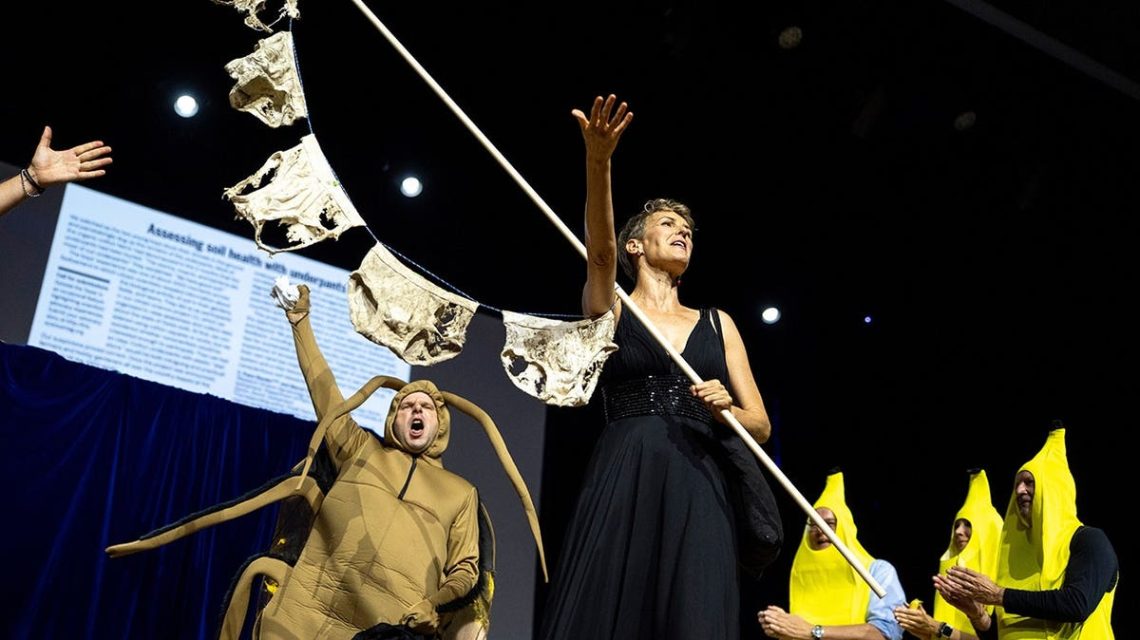
Meanwhile, the Ig Nobel ceremony took place in Zurich, honoring researchers with unconventional yet real scientific inquiries. This event, organized by the Annals of Improbable Research, marked the first time it was held outside the U.S. due to visa concerns for honorees.
Winners included scientists who explored topics such as cockroach milk, the evolutionary history of kissing, and soil health assessment using underwear. Other notable studies involved the propensity for unethical behavior among the wealthy, optimal nose blowing techniques, and how stepping on snakes can provoke a bite.
Dr. Paul Piff, a social psychologist at the University of California, Irvine, discussed findings on wealth and selfishness. He noted, “The general pattern seems to be that with wealth and rising power, you become less engaged with the needs of others.”
Additional research topics included the positive effects of having mutual enemies, innovations in urinal design, using dead mosquitos for 3D printing, and parental preferences for the smell of their newborns over teenagers.
“The history of kissing reveals it as a long-standing tradition,” stated Matilda Brindle, an evolutionary biologist at the University of Oxford. “This suggests a useful evolutionary function going back millions of years.”
The Ig Nobel ceremony featured winners receiving a trophy resembling a mushroom fused with a human foot, all while being bombarded by paper airplanes from the audience.
This event is distinct from the Nobel Prize, which announces its recipients during October.
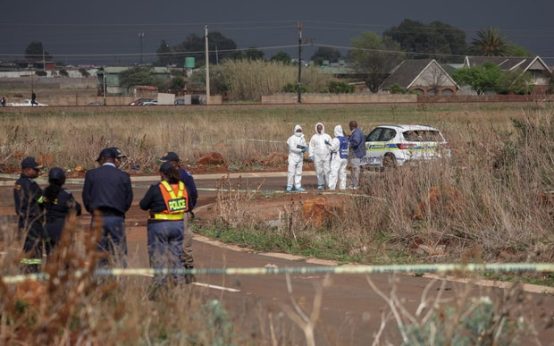 Arrests Over Kempton Park Killings in South Africa
 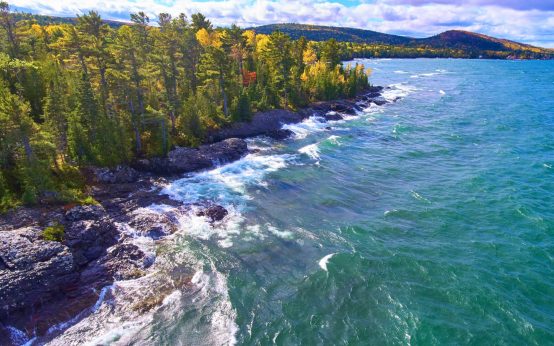 Great Lakes Face Beach Hazards Due to Dangerous Currents
  Don McCullin’s Final Book: A Pioneering War Photographer’s Legacy
  Rep. Alexandria Ocasio-Cortez Defends Macklemore Amid Tour Controversy
 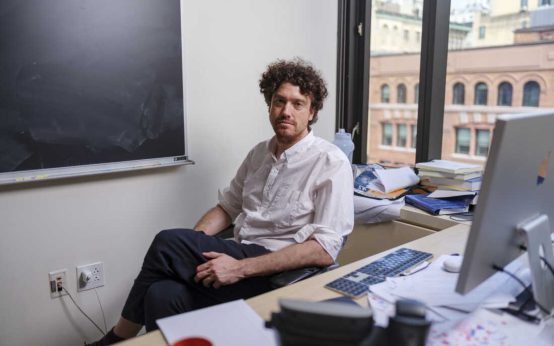 OpenAI’s Complex Solution to Navier-Stokes Equations Stirs Debate
 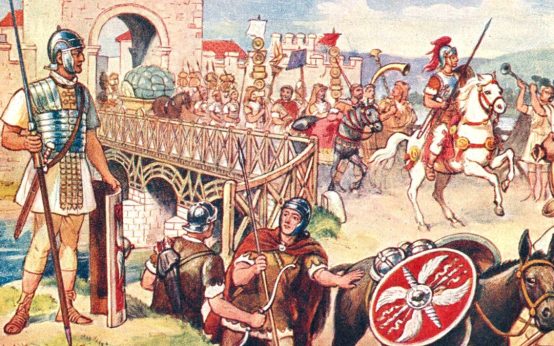 Reassessing the Central Role of Rome in the Roman Empire’s Road Network