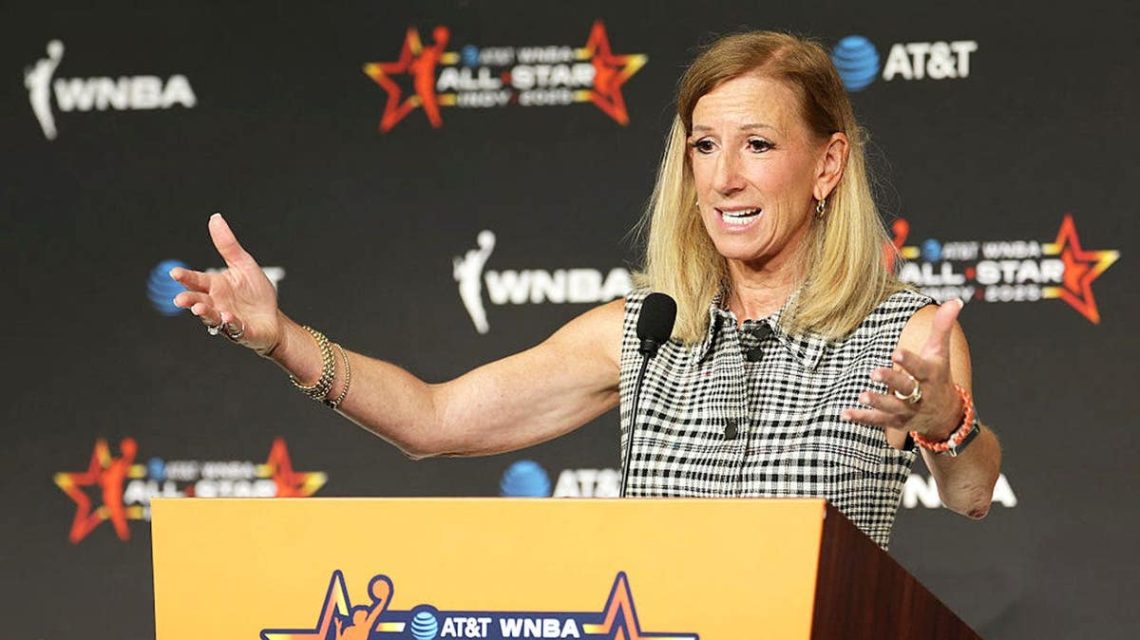
WNBA Commissioner Cathy Engelbert announced her plan to retire following the 2026 season, after serving for seven years. Engelbert joined the league in 2019 as its first commissioner. Her tenure saw significant growth and increased visibility for the WNBA, prompting NBA Commissioner Adam Silver to regard it as a pivotal period in the league’s history. This article examines the various aspects of Engelbert’s leadership, questioning whether she deserves credit for the league’s successes.
Leadership and Relationships with Players
Being a commissioner involves more than overseeing revenue and television ratings; maintaining player relationships is crucial. During Engelbert’s leadership, these relationships were often tumultuous. She faced challenges in managing the league’s reputation and dealing with controversies. Protecting the league’s stars and ensuring the on-court performance remained credible were responsibilities that defined her term.
The ‘Wubble’ and Social Justice Initiatives
Engelbert’s initial challenge came with the COVID-19 pandemic. In response, the WNBA created the ‘Wubble’ in Florida to continue the 2020 season. More than just enabling play, the league embraced social justice causes, including Black Lives Matter and various racial-justice initiatives. Players wore messages supporting these causes, leading to the league’s increased association with left-wing politics.
Dearica Hamby Pregnancy Controversy
A significant controversy under Engelbert’s tenure involved Las Vegas Aces player Dearica Hamby, who claimed mistreatment after announcing her pregnancy. This led to a WNBA investigation and sanctions against the Aces for contract negotiation violations. The incident raised broader concerns about the protection of pregnant athletes in professional sports.
Charter-Flight Controversy
Travel logistics became contentious as players expressed discontent over commercial flights. The introduction of league-wide charter flights in 2024 aimed to address these concerns but spotlighted Engelbert’s hesitance to adapt earlier. Caitlin Clark, whose popularity and influence brought more resources, played a pivotal role in changing travel policies.
Caitlin Clark’s Popularity and Officiating Issues
Clark’s rise highlighted challenges with physicality and officiating in the league. Despite Clark’s popularity, Engelbert struggled to protect the league’s biggest star from aggressive play and inconsistent officiating. A committee was formed to tackle these issues, but Clark’s contribution to attracting fan interest remains central.
‘Pay Us What You Owe Us’ Movement
Attention to player compensation grew as league popularity surged. At the 2025 All-Star Game, players wore shirts demanding better pay, highlighting a significant revenue-sharing dispute. Ultimately, an agreement was reached, heavily influenced by Clark’s presence, questioning the fiscal prudence of the new CBA.
Napheesa Collier’s Criticism
In 2025, criticism from Minnesota Lynx star Napheesa Collier spotlighted issues of leadership under Engelbert, focusing on inadequate accountability and communication. Collier’s comments indicated a need for rebuilding trust between players and management.
Controversy Over Transgender Athletes
The league faced questions about the participation of transgender athletes, with Engelbert establishing a task force that offered little clarity on eligibility rules. This controversy further strained relationships with traditional fans, questioning the league’s positions on politically sensitive issues.
Cathy Engelbert’s Legacy
Under Engelbert, the WNBA has positioned itself as politically active, creating divisions among fans. Her allowance for the league to prioritize social causes over sports alienates some audience segments. Engaging political debates and controversies often overshadowed the game itself.
The league now faces the need for leadership adept in uniting fans around basketball. Whether future leadership roles can better balance political activism and sports engagement is yet to be seen.
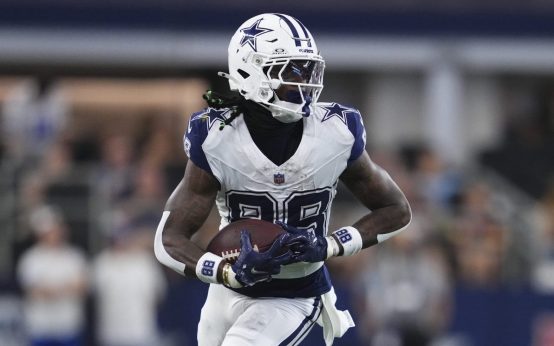 CeeDee Lamb Leads Dallas Cowboys to Victory Over Washington Commanders
 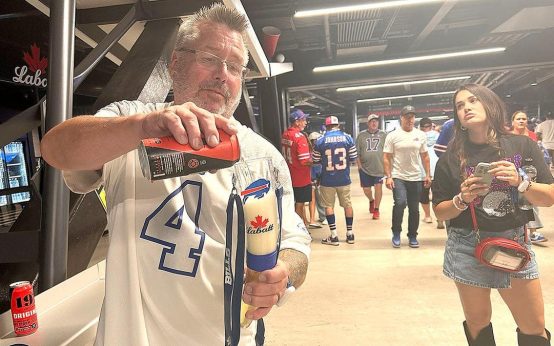 Buffalo Bills Tailgating and Highmark Stadium Experience
 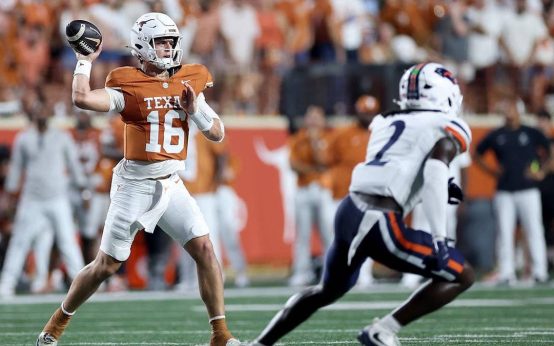 Texas Longhorns Triumph Over UTSA with Defensive Strength and Key Plays
 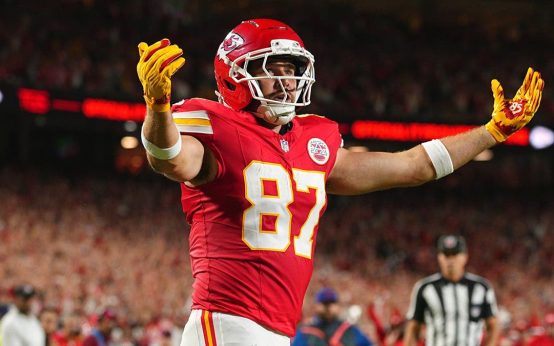 Travis Kelce Sparks Excitement at Arrowhead Stadium
 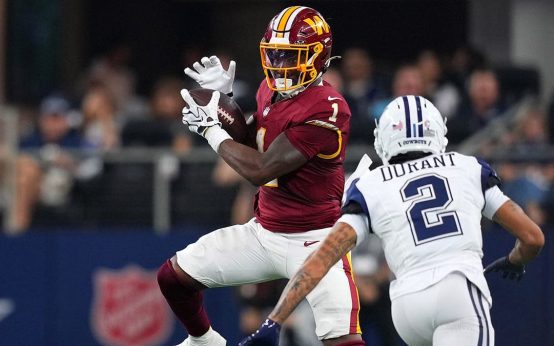 Dallas Cowboys Defeat Washington Commanders Amid Player Injury
 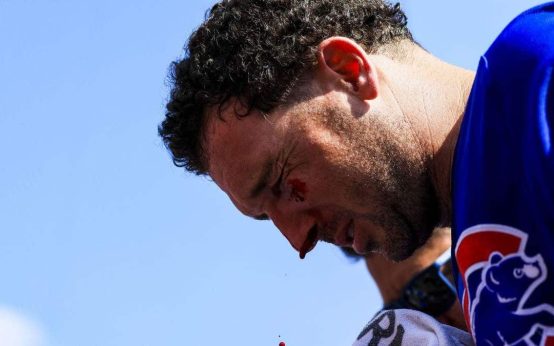 Chicago Cubs’ Alex Bregman Suffers Facial Injury from Foul Ball